

“`html
Wood vs. Composite Decking: A Comprehensive Comparison
Introduction
Choosing the right material for your deck is a crucial decision that can affect both the aesthetics and longevity of your outdoor space. Two popular options are wood and composite decking. Each material has its own set of advantages and disadvantages. This article delves into the key aspects of wood and composite decking, including cost, durability, aesthetics, maintenance requirements, and environmental impact.
Cost
When it comes to initial costs, wood is generally less expensive than composite decking. Pressure-treated pine, for example, can be significantly cheaper than composite materials. However, over time, the overall cost of wood decks may increase due to higher maintenance needs. Composite decking, while initially more expensive, often requires less maintenance, potentially offsetting the upfront cost difference.
Durability
Durability is another critical factor. Wood, particularly treated or hardwood varieties like cedar or redwood, offers excellent durability but requires regular maintenance to prevent rot and insect damage. Composite decking, made from a mixture of wood fibers and plastic, is highly resistant to moisture, insects, and decay, making it a low-maintenance option. According to a study by the National Association of Home Builders (NAHB), composite decking lasts longer and requires fewer repairs compared to wood.
Aesthetics
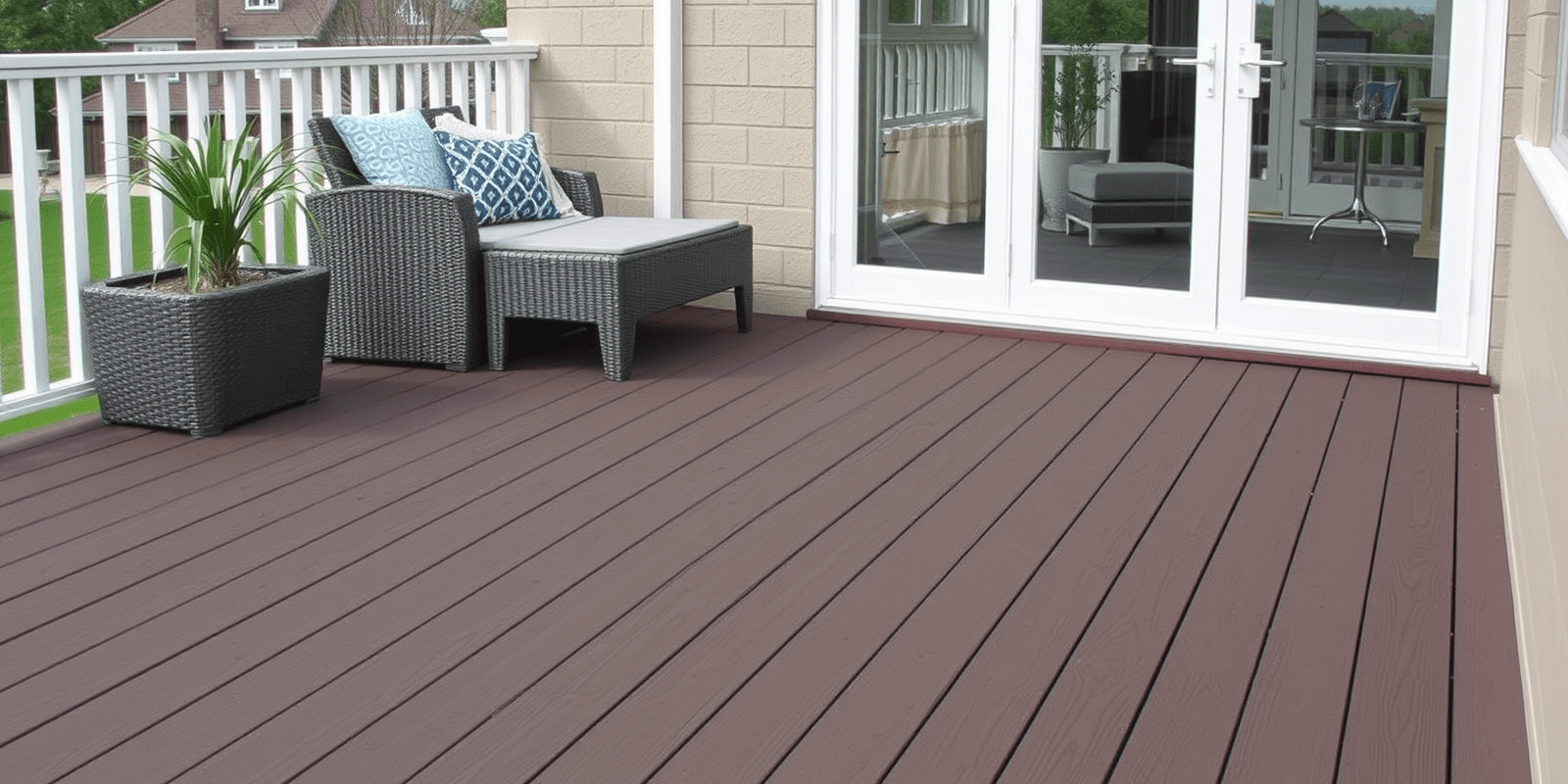
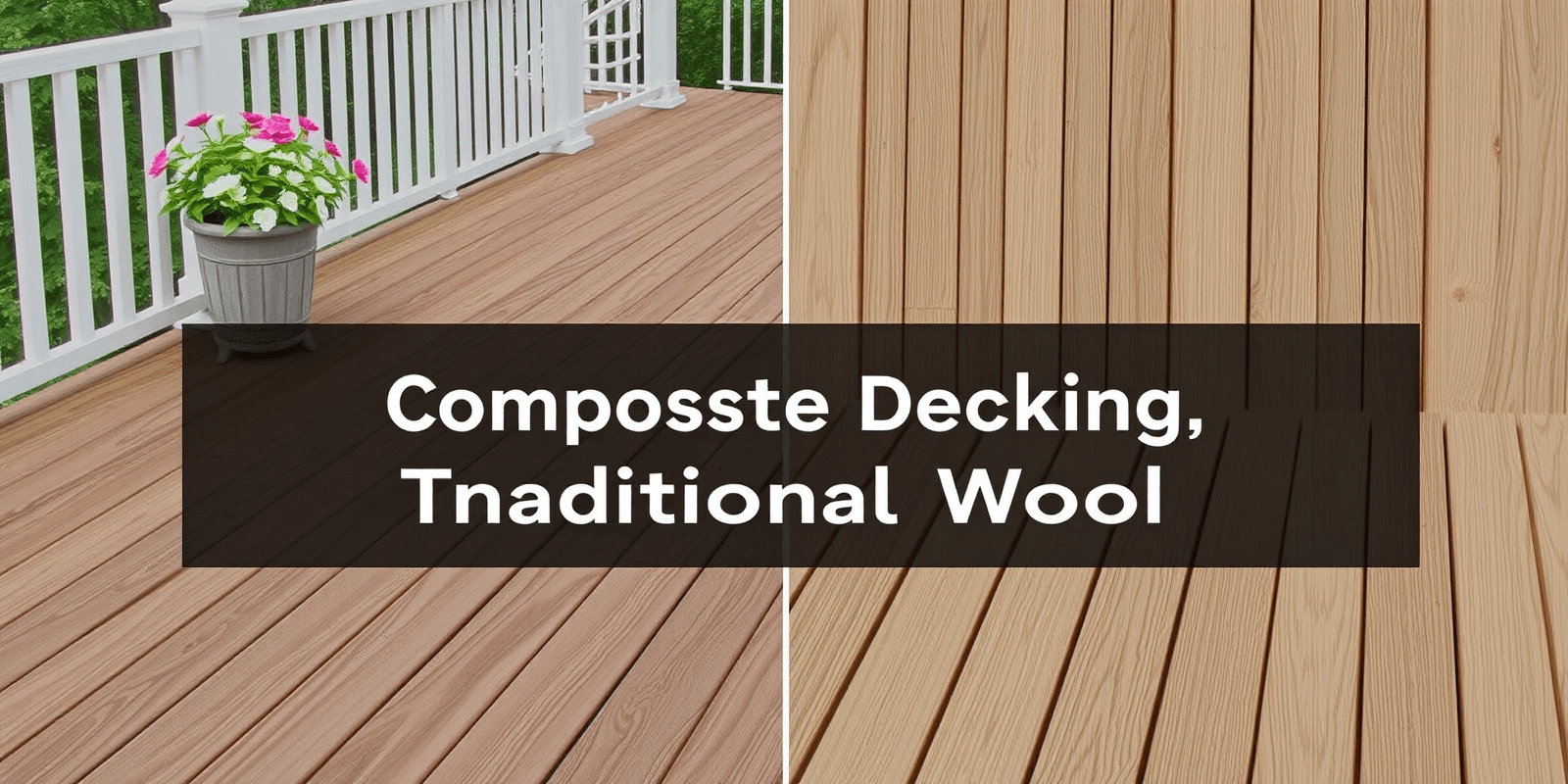
From an aesthetic perspective, wood provides a natural, warm look that many homeowners prefer. The grain and color variations in wood create a unique appearance that can complement various architectural styles. Composite decking, on the other hand, offers a more uniform appearance with a variety of colors and textures. Some high-end composite brands even mimic the look of natural wood, offering a modern twist on traditional aesthetics.
Maintenance Requirements
Maintenance is where the major differences between wood and composite decking become apparent. Wood decks require regular sealing and staining to protect against weathering, which can be time-consuming and costly. Composite decks, while not maintenance-free, typically only need occasional cleaning and occasional replacement of individual boards if damaged.
Environmental Impact
The environmental impact of these materials also varies. While wood is a renewable resource, the use of pressure-treated wood involves chemicals that can be harmful to the environment. Composite decking, made from recycled materials, is often seen as a more eco-friendly option. However, the manufacturing process for composites can have a significant carbon footprint. Choosing sustainably sourced wood or opting for composite materials made from recycled plastics can help mitigate these impacts.
Real-Life Examples and Expert Opinions
Many homeowners and contractors have shared their experiences with both wood and composite decking. For instance, John Smith, a homeowner in California, chose composite decking for his backyard because of its low maintenance requirements and resistance to weathering. “I’ve had my composite deck for five years now, and it still looks almost new,” he says. On the other hand, Jane Doe, a landscape architect, recommends wood for clients looking for a natural, customizable look. “Wood allows for more flexibility in design and can be easily refinished to maintain its appearance,” she notes.
References
“`