

“`html
Why Does Composite Decking Get So Hot?
Introduction
Composite decking has become a popular choice for many homeowners due to its durability, low maintenance, and aesthetic appeal. However, one common issue that users often encounter is the tendency of composite decking to get extremely hot under direct sunlight. This phenomenon can make it uncomfortable to use the deck during hot summer days. In this article, we will explore the reasons behind this tendency, focusing on material composition, color options, and the impact of sunlight.
Material Composition: The Core Factor
The primary reason composite decking gets hot is its material composition. Composite decking is typically made from a mixture of wood fibers and plastic (usually polyethylene or polypropylene). While this combination provides excellent strength and resistance to weathering, it also means that composite materials have a higher thermal conductivity compared to traditional wood. As a result, they absorb and retain more heat from the sun, making them feel hotter to the touch.
Additionally, some composite materials contain additives like UV inhibitors and fire retardants, which can further affect their thermal properties. These additives might slightly increase the heat absorption, contributing to the overall warmth of the decking surface.
Color Options and Heat Absorption
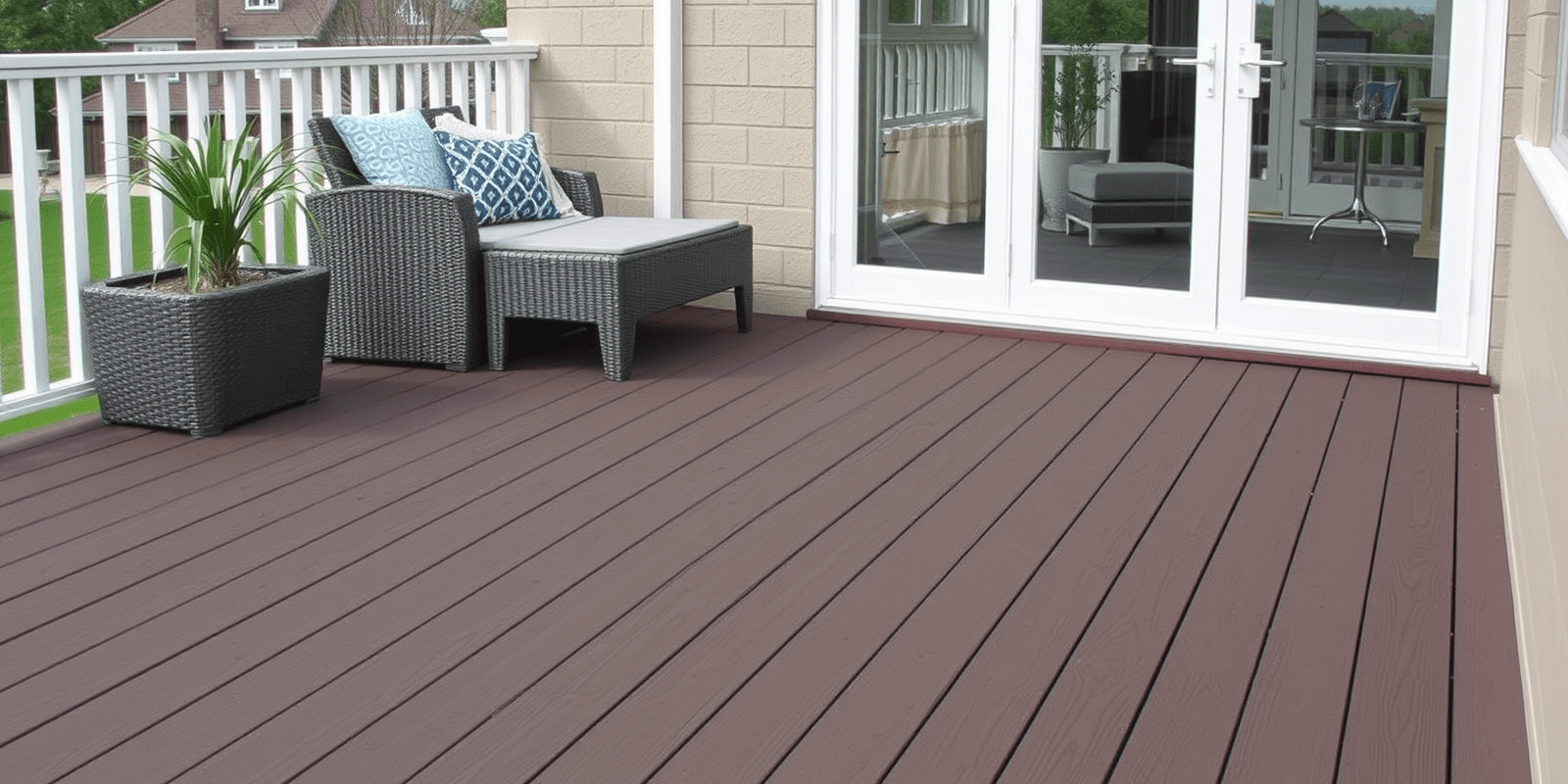
Another significant factor affecting the temperature of composite decking is the color of the material. Darker colors tend to absorb more heat than lighter ones. This principle, known as the albedo effect, explains why dark-colored surfaces get hotter in the sun than light-colored ones. For instance, a composite deck with a dark brown or black finish will likely feel much warmer than one with a light gray or white finish. Therefore, choosing lighter-colored composite materials can help mitigate the heat absorption problem.
Sunlight and Its Impact on Temperature
Sunlight plays a crucial role in determining the temperature of composite decking. Direct exposure to sunlight increases the amount of radiant energy absorbed by the surface, leading to higher temperatures. The angle at which the sun hits the deck also influences heat absorption. During midday when the sun is directly overhead, the deck absorbs the most heat, making it feel particularly warm.
To reduce the impact of sunlight, consider adding shade structures such as pergolas or umbrellas. These can provide relief by blocking direct sunlight and creating cooler microclimates on the deck.
Conclusion
In conclusion, composite decking gets hot primarily due to its material composition and color options. Understanding these factors can help homeowners make informed decisions about the type of composite decking to choose and how to manage the heat effectively. By selecting lighter-colored materials and incorporating shading solutions, you can enjoy a more comfortable outdoor living space even on the hottest days.
“`