
Advantages of Choosing Wholesale WPC Composite Decking for Large-Scale Projects
When it comes to large-scale construction projects, selecting the right materials is crucial for both aesthetic appeal and long-term sustainability. One increasingly popular choice is wholesale WPC (Wood Plastic Composite) composite decking. This article will delve into the numerous benefits of using WPC composite decking, including its resistance to moisture, insects, and UV rays, as well as its low-maintenance nature. We will also provide examples of successful installations and compare costs with traditional materials.
Understanding WPC Composite Decking
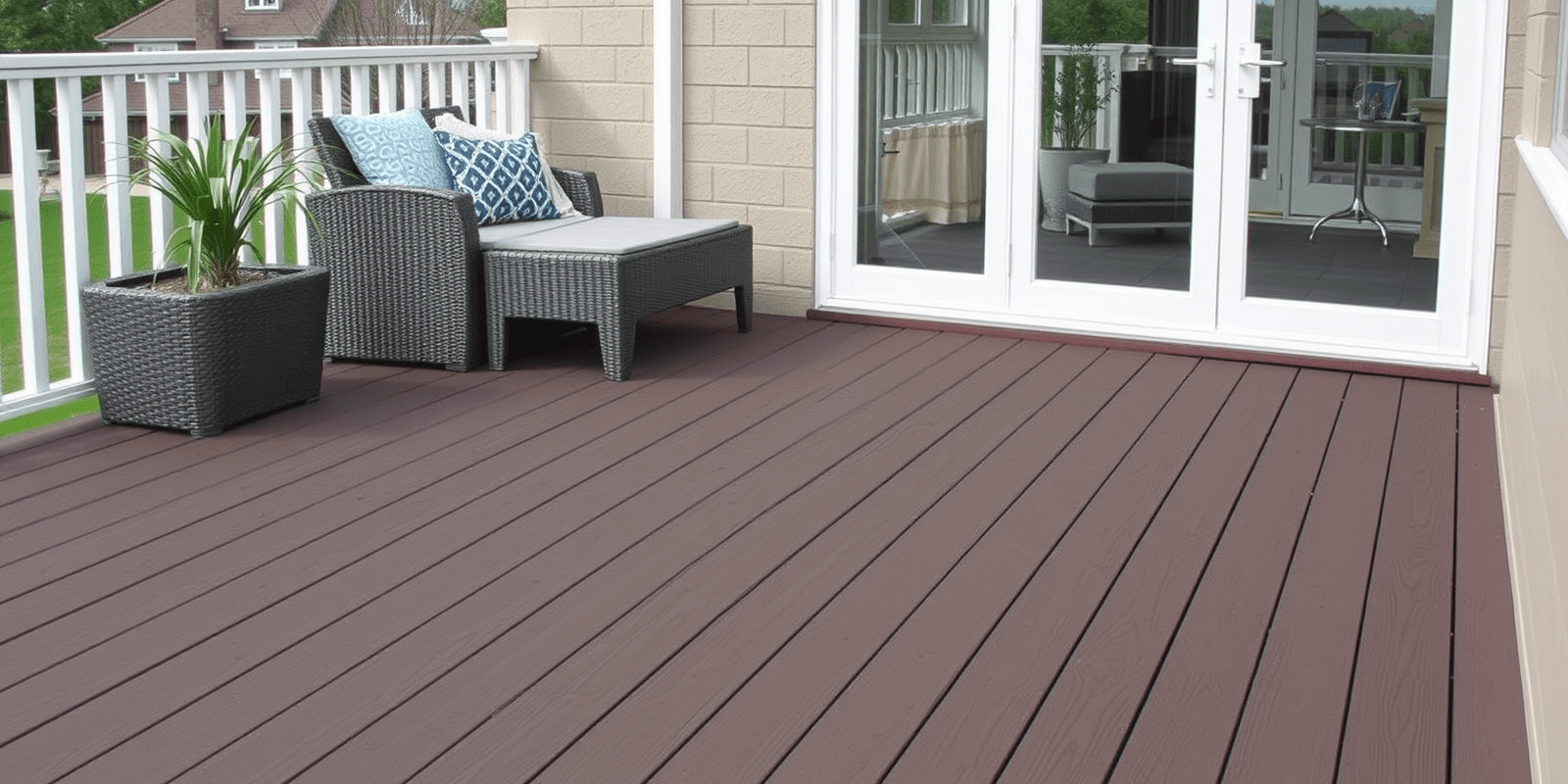
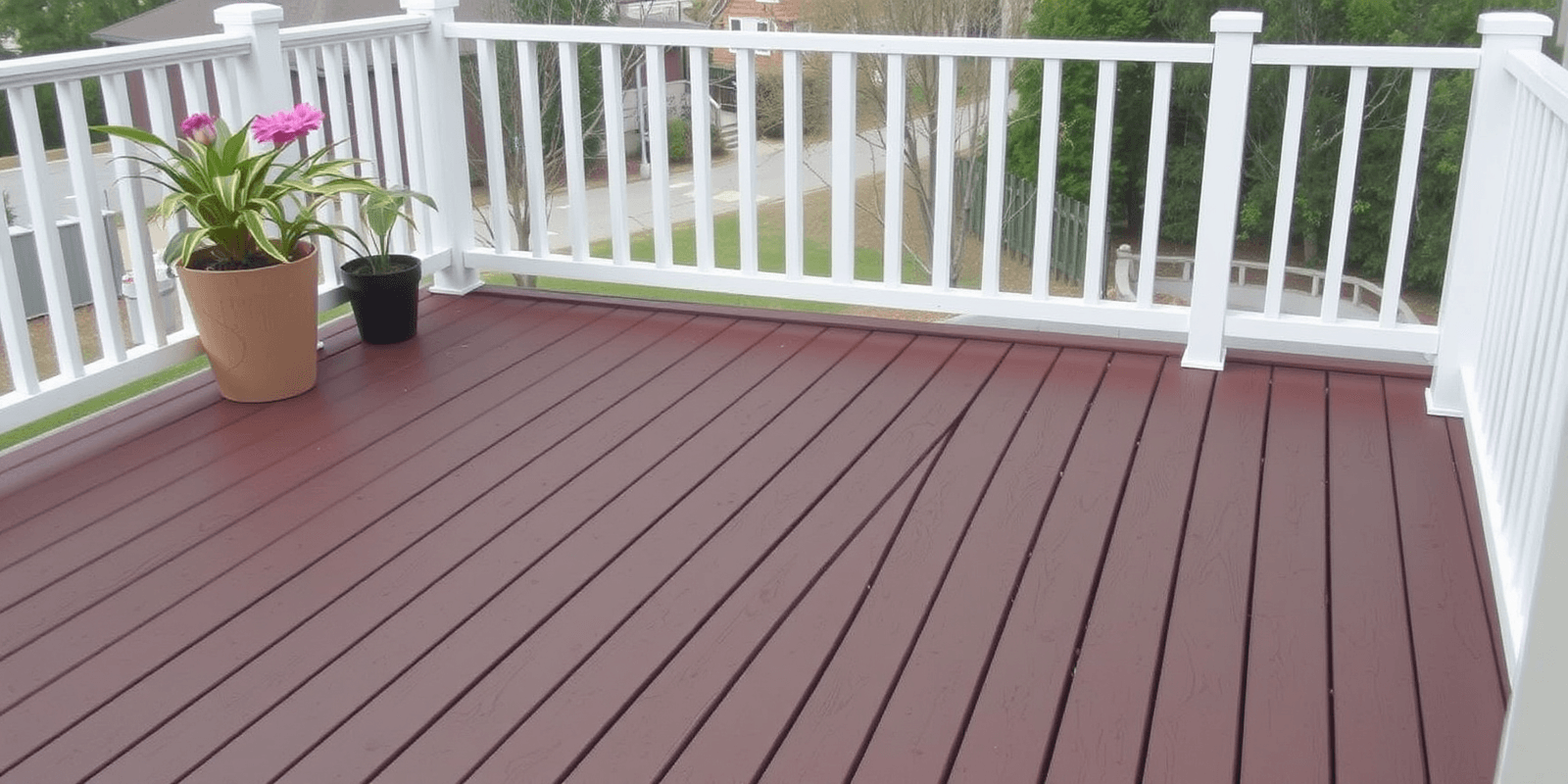
Wholesale WPC composite decking combines wood fibers and plastic to create a highly durable material that can withstand harsh environmental conditions. This blend results in a product that is not only strong but also resistant to moisture, insects, and UV rays. The manufacturing process involves mixing recycled wood fibers with high-density polyethylene (HDPE), which provides the necessary strength and flexibility.
Resistance to Moisture, Insects, and UV Rays
One of the primary advantages of wholesale WPC composite decking is its exceptional resistance to moisture. Unlike traditional wooden decks, WPC composite decking does not absorb water, which prevents rotting and warping. This makes it an ideal choice for areas prone to heavy rainfall or near bodies of water. Additionally, the material’s resistance to insects means that it is less likely to be damaged by termites or other wood-boring pests, further extending its lifespan.
Moreover, WPC composite decking offers superior protection against UV rays. Traditional wood decks often fade and degrade when exposed to sunlight over time. However, the plastic component of WPC composite decking helps to shield the wood fibers from UV damage, maintaining the deck’s color and appearance for longer periods.
Low-Maintenance Nature
Another significant advantage of wholesale WPC composite decking is its low-maintenance requirements. Unlike traditional wooden decks, which require regular sealing and staining to maintain their appearance, WPC composite decks only need occasional cleaning with soap and water. This not only saves time and effort but also reduces ongoing maintenance costs.
Examples of Successful Installations
Several large-scale projects have successfully utilized wholesale WPC composite decking, showcasing its versatility and durability. For instance, the City of Vancouver installed a WPC composite deck at Stanley Park, one of Canada’s most visited urban parks. The project required a material that could withstand constant foot traffic and varying weather conditions, making WPC composite decking the perfect choice. Similarly, the Disney World Resort in Florida has incorporated WPC composite decking in various outdoor areas, taking advantage of its resistance to moisture and UV rays.
Cost Comparisons with Traditional Materials
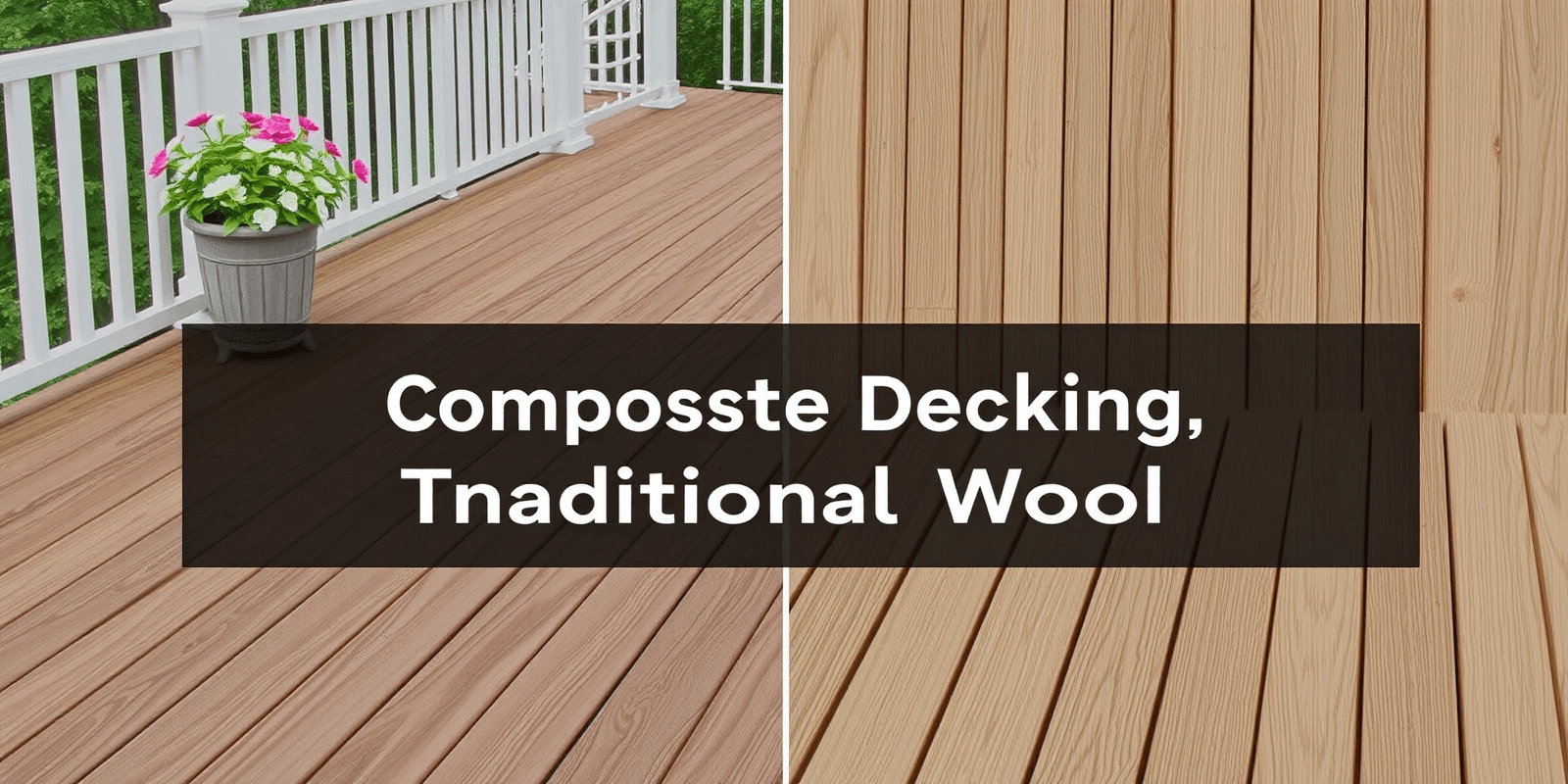
While the initial cost of wholesale WPC composite decking may be higher than traditional wooden materials, the long-term savings are substantial. Traditional wooden decks require frequent maintenance, including sealing, staining, and repairing damage caused by moisture and insects. Over time, these costs can add up significantly. In contrast, WPC composite decking requires minimal upkeep, resulting in lower overall expenses. Furthermore, the longevity of WPC composite decking means that it needs to be replaced less frequently, providing additional cost savings.
Conclusion
Choosing wholesale WPC composite decking for large-scale projects offers numerous advantages, including its resistance to moisture, insects, and UV rays, as well as its low-maintenance nature. With successful installations at notable locations such as Stanley Park and Disney World Resort, it is clear that this material is a reliable and sustainable option. While the upfront cost may be higher, the long-term benefits and cost savings make WPC composite decking a smart investment for any large-scale construction project.