
“`html
Which is Cheaper: Composite or Wood Decking?
Introduction
When it comes to choosing between composite and wood decking materials, many homeowners face a tough decision. Both options have their unique advantages and drawbacks, particularly in terms of cost. This article will provide a detailed analysis of the initial costs, maintenance expenses, and long-term durability of composite and wood decking. By understanding these factors, you can make an informed decision that suits your budget and lifestyle.
Initial Costs
The initial cost is often the primary factor when deciding between composite and wood decking. Generally, wood decking materials are less expensive upfront. For instance, pressure-treated pine, a common choice for wooden decks, typically ranges from $2.50 to $4 per square foot. In contrast, composite decking materials like Trex or TimberTech can cost anywhere from $3.50 to $7 per square foot.
However, the total cost also depends on labor expenses. Composite materials may require more specialized installation techniques, which could increase labor costs slightly.
Maintenance Expenses
One significant difference between composite and wood decking is the maintenance required. Wood decks need regular sealing and staining to protect against moisture, rot, and insect damage. According to the National Association of Home Builders, the average annual maintenance cost for a wood deck is around $300-$500. Over time, this adds up significantly.
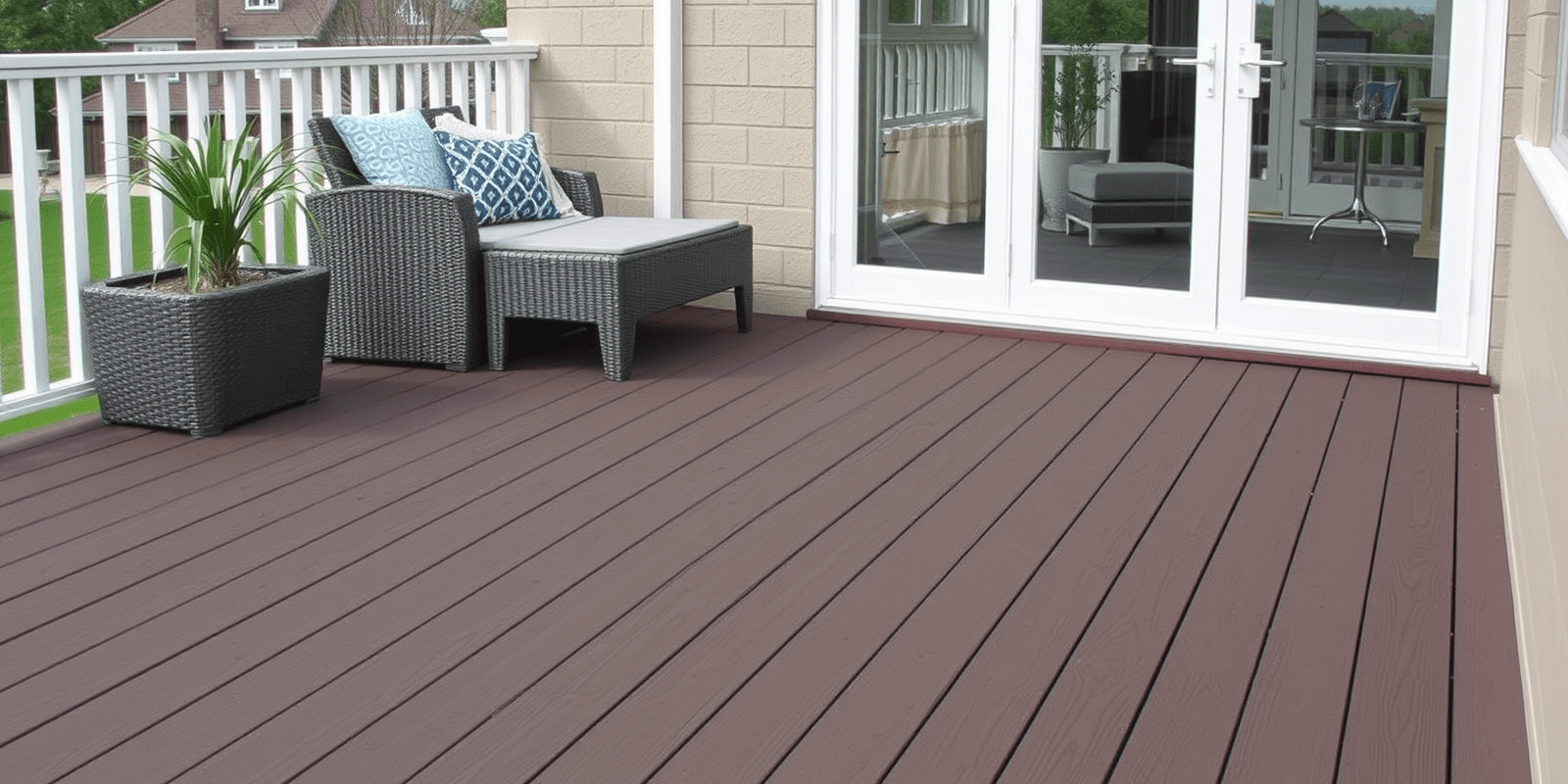
Composite decking, on the other hand, requires minimal maintenance. It does not need to be sealed or stained regularly. However, it may still require occasional cleaning with mild soap and water. The low-maintenance nature of composite decking can save homeowners money in the long run, especially as they age.
Long-Term Durability
When considering longevity, composite decking often outperforms wood. While wood can last for decades with proper care, it is susceptible to decay, warping, and insect damage. Composite materials, made from a blend of wood fibers and recycled plastic, are highly resistant to these issues. They do not rot, warp, or splinter, making them a durable option for many years.
For example, a study by the University of Minnesota found that composite decking can last up to 25 years with minimal maintenance, compared to an average lifespan of 10-20 years for untreated wood decks.
Expert Opinions
Experts in the building industry generally agree that while composite decking may have a higher initial cost, its long-term benefits often outweigh the initial investment. According to HomeAdvisor, “While composite decking costs more initially, it can save homeowners money over time due to lower maintenance costs and longer lifespan.”
Similarly, Bob Vila, a well-known home improvement expert, states, “Composite decking offers a balance of aesthetics, durability, and low maintenance, making it a smart investment for many homeowners.”
Conclusion
Deciding between composite and wood decking ultimately depends on your priorities and budget. If you’re looking for a low-maintenance option that will stand the test of time, composite decking is likely the better choice. However, if you prefer the natural look of wood and don’t mind regular upkeep, traditional wood decking remains a viable option.
By weighing the initial costs, maintenance expenses, and long-term durability, you can choose the decking material that best fits your needs and budget.
“`