
“`html
What’s the Difference Between PVC and Composite Decking?
Introduction
When it comes to choosing materials for your outdoor deck, two popular options are PVC (Polyvinyl Chloride) and composite decking. Both materials offer unique advantages and disadvantages, making them suitable for different needs and preferences. This article aims to provide a detailed comparison of PVC and composite decking, focusing on durability, maintenance requirements, aesthetic appeal, and overall cost-effectiveness.
Durability
Both PVC and composite decking materials are known for their high durability. However, they differ in how they withstand various environmental factors. PVC decking is highly resistant to moisture, rot, and insects, which makes it an excellent choice for humid or damp climates. On the other hand, composite decking combines wood fibers with plastic resins, providing strength and stability similar to wood but with added resistance to moisture and pests. Composite decking can be more susceptible to fading over time if not properly maintained, especially in direct sunlight.
Maintenance Requirements
In terms of maintenance, PVC decking requires minimal upkeep. It does not require sealing or staining, and regular cleaning with soap and water is usually sufficient. However, it can become slippery when wet, which might be a safety concern. Composite decking, while still low-maintenance, may require occasional resealing or staining to maintain its appearance and protect against fading. Composite materials can also accumulate dirt and stains more easily than PVC, requiring periodic cleaning with specialized products.
Aesthetic Appeal
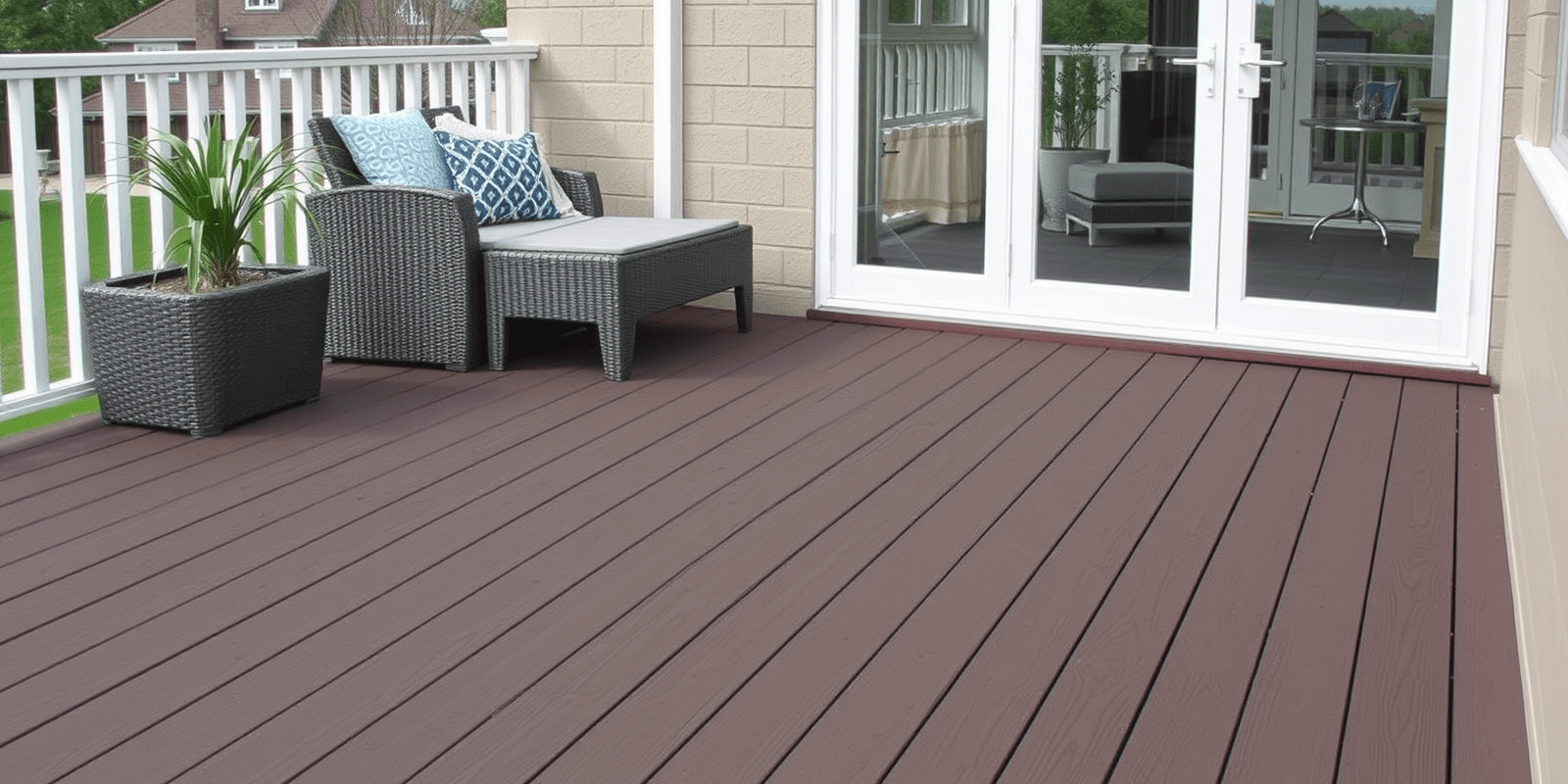
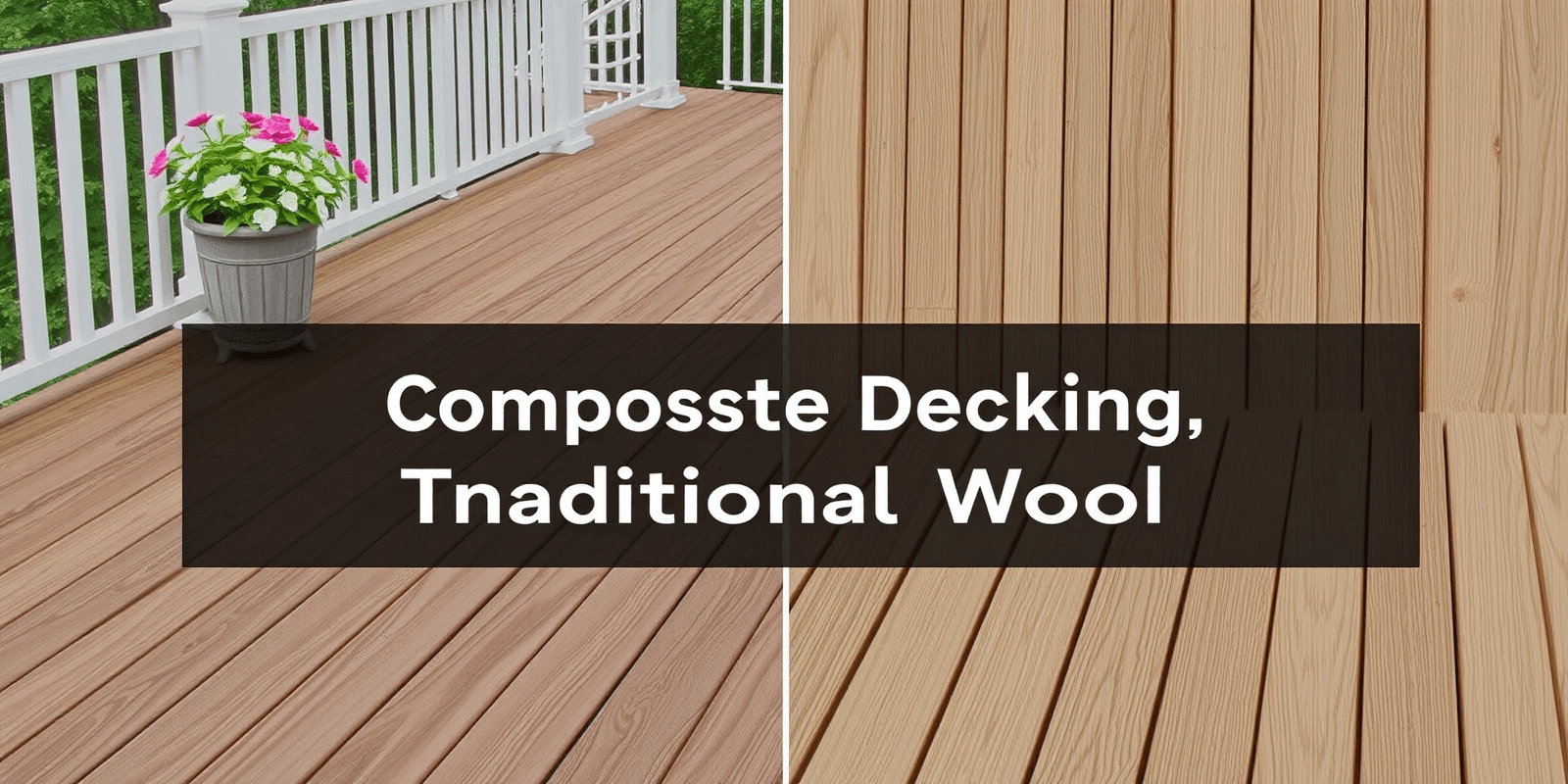
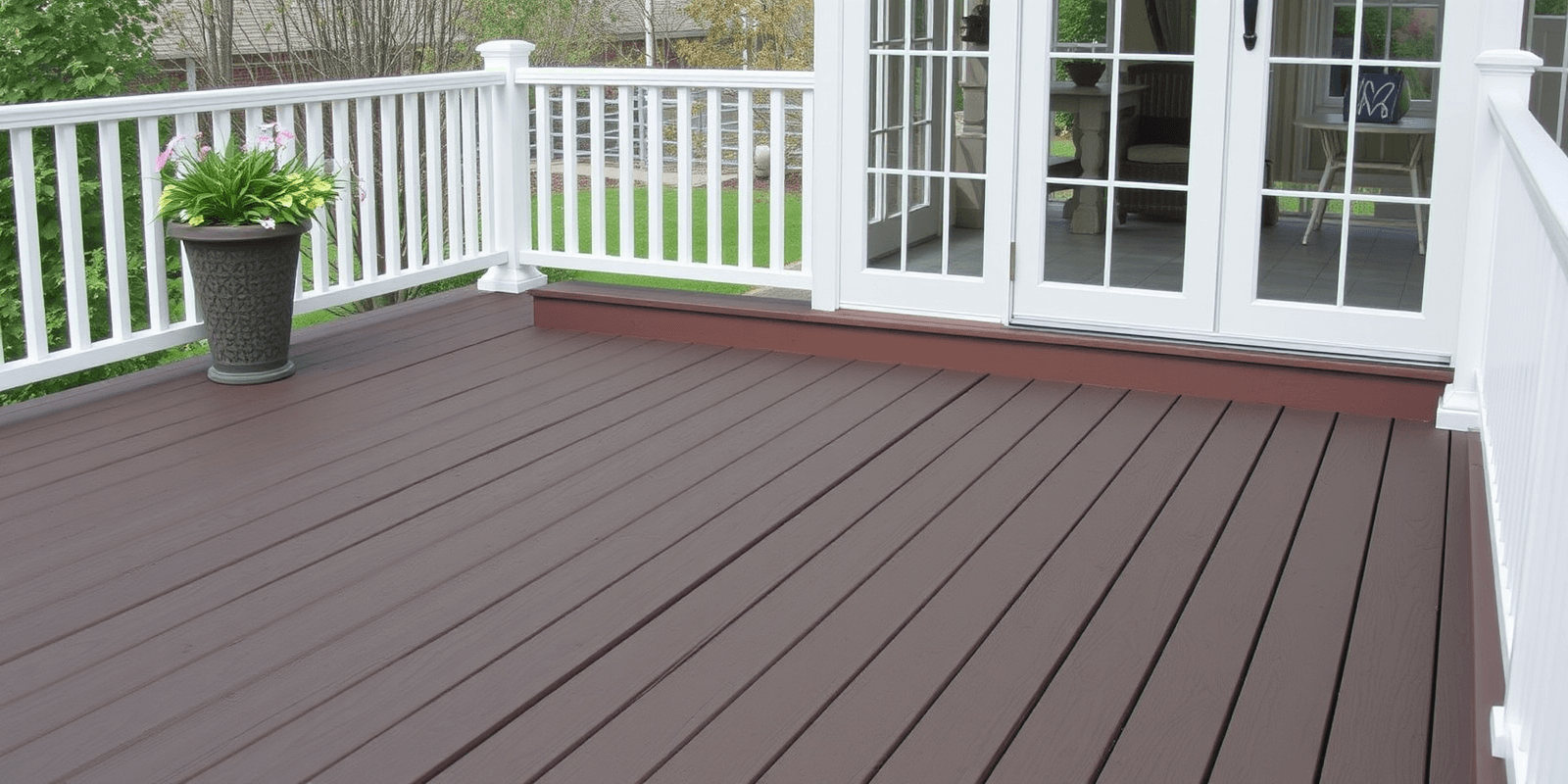
The aesthetic appeal of PVC and composite decking varies based on personal preference. PVC decking offers a uniform look that mimics painted wood, with a wide range of color options available. It maintains its color well and does not fade over time, making it ideal for those who prefer a consistent, low-maintenance appearance. Composite decking, on the other hand, often has a more natural wood-like appearance, with visible wood grains and variations in color that give it a more organic feel. This can make it a better choice for homeowners seeking a traditional wooden deck look.
Cost-Effectiveness
When considering the overall cost-effectiveness of PVC and composite decking, several factors come into play. Initially, composite decking tends to be more expensive due to its complex manufacturing process. However, the longevity and reduced maintenance requirements of composite decking can offset these higher upfront costs over time. PVC decking is generally less expensive to install initially and requires less ongoing maintenance, making it a cost-effective option for those prioritizing lower long-term expenses.
Conclusion
Choosing between PVC and composite decking ultimately depends on your specific needs and preferences. PVC decking excels in areas where minimal maintenance and high durability are priorities, while composite decking offers a more natural wood-like appearance with comparable durability. By weighing the pros and cons of each material in terms of durability, maintenance, aesthetics, and cost-effectiveness, you can make an informed decision that best suits your outdoor living space.
“`