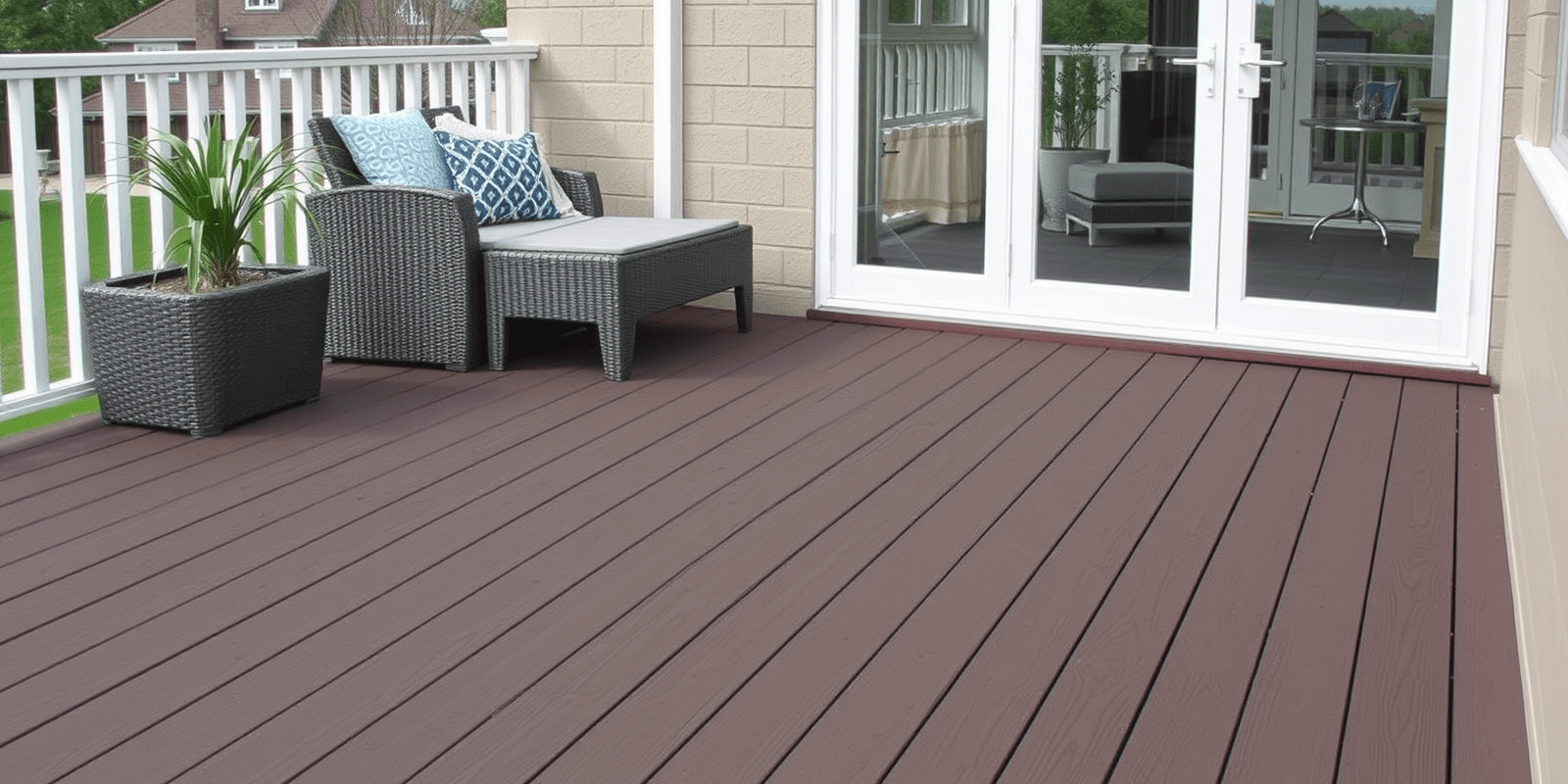


“`html
What’s Composite Decking? A Comprehensive Guide
Introduction
In recent years, composite decking has become an increasingly popular choice for homeowners looking to enhance their outdoor living spaces. Unlike traditional wood decking, composite decking offers a range of benefits that make it a compelling option for both aesthetic appeal and durability. This comprehensive guide will explore the composition, manufacturing process, and key differences between composite decking and other decking materials.
Composition of Composite Decking
Composite decking is made from a combination of wood fibers and plastic resins, often including recycled materials. The exact composition can vary depending on the manufacturer, but typically includes:
- Wood fibers (often recycled from sawdust or wood chips)
- Polymer resins (such as high-density polyethylene or polypropylene)
- Additives for color, UV protection, and enhanced durability
This blend results in a material that is more resistant to moisture, insects, and rot compared to natural wood.
Manufacturing Process
The manufacturing process of composite decking involves mixing the raw materials in precise proportions. Here’s a step-by-step overview:
- Mixing: Wood fibers and plastic resins are mixed together with additives to create a homogenous blend.
- Extrusion: The mixture is then fed into an extruder where it is heated and forced through a die to form the desired shape (typically boards).
- Cooling: The formed material is cooled and shaped to ensure uniformity.
- Cutting: Finally, the cooled material is cut into specific lengths for packaging and shipment.
This process ensures that each piece of composite decking is consistent in quality and appearance.
Differences from Other Decking Materials
Composite decking stands out from other materials due to its unique properties and benefits:
Comparison with Natural Wood
Natural wood requires regular maintenance, such as sealing and staining, to prevent warping, splitting, and rot. Composite decking, on the other hand, is virtually maintenance-free. It does not require painting, staining, or sealing, and is highly resistant to moisture, mold, and insects.
Comparison with Plastic Decking
While plastic decking is also low-maintenance, it lacks the natural look and feel of wood. Composite decking offers a more realistic wood-like appearance while maintaining the benefits of plastic, such as resistance to fading and weathering.
Technical Details and Unique Features
One of the key technical features of composite decking is its ability to retain its color and texture over time. Unlike natural wood, which fades and wears down, composite decking maintains its appearance even after prolonged exposure to sunlight and weather conditions. Additionally, composite decking is available in a variety of colors and textures, allowing homeowners to choose a style that best matches their home’s aesthetic.
Another notable feature is its environmental impact. Many composite decking manufacturers use recycled materials, making it a sustainable choice. This aligns with growing consumer demand for eco-friendly building materials.
Conclusion
Composite decking represents a significant advancement in outdoor flooring technology, offering a blend of aesthetics, durability, and sustainability. By understanding its composition, manufacturing process, and key differences from other materials, homeowners can make informed decisions when choosing the right decking solution for their needs.
“`
This HTML document provides a structured guide on composite decking, covering its composition, manufacturing process, and comparisons with other decking materials. It is designed to be directly publishable as a blog post, ensuring SEO-friendly keywords and a coherent flow of information.