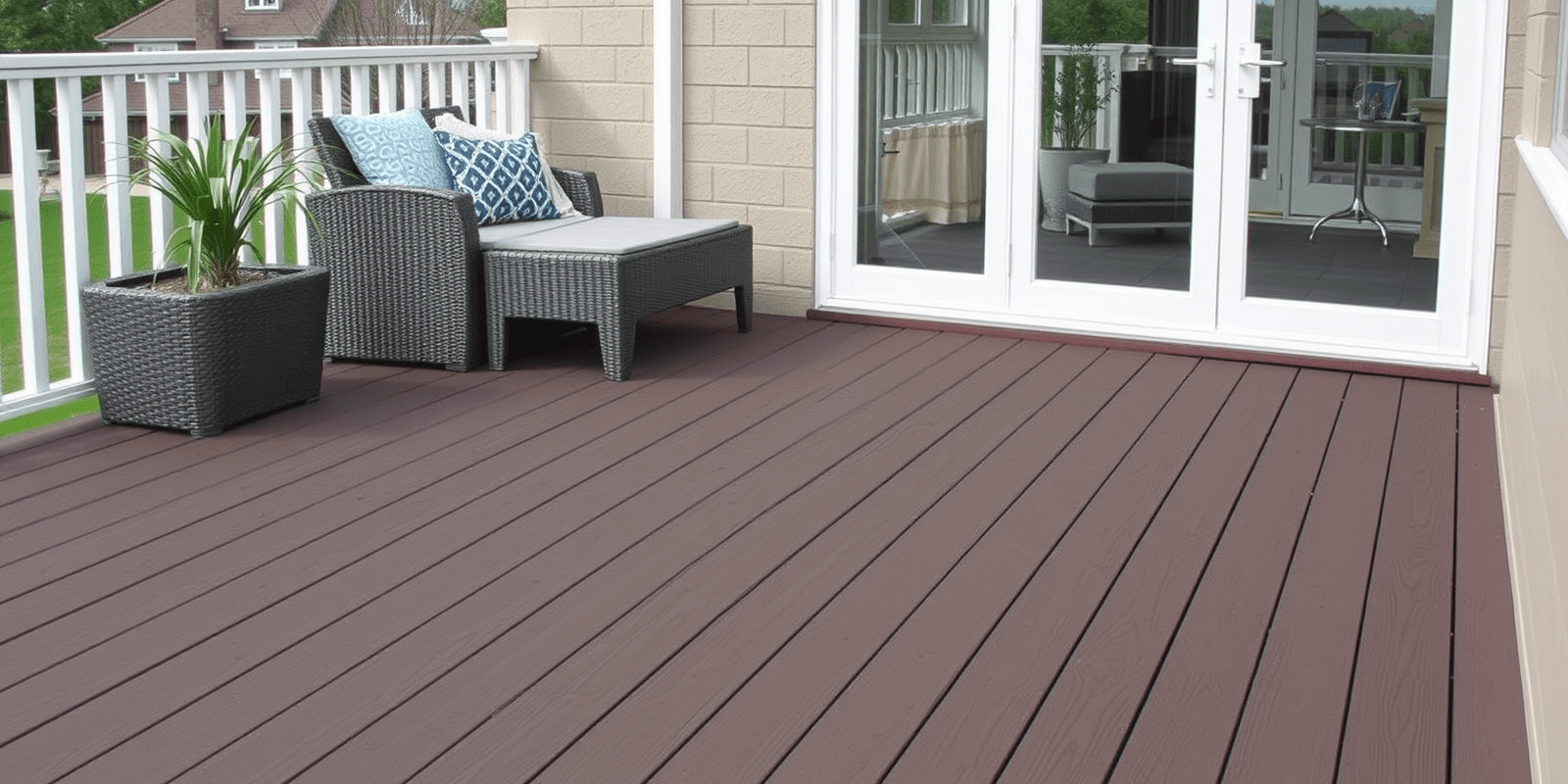

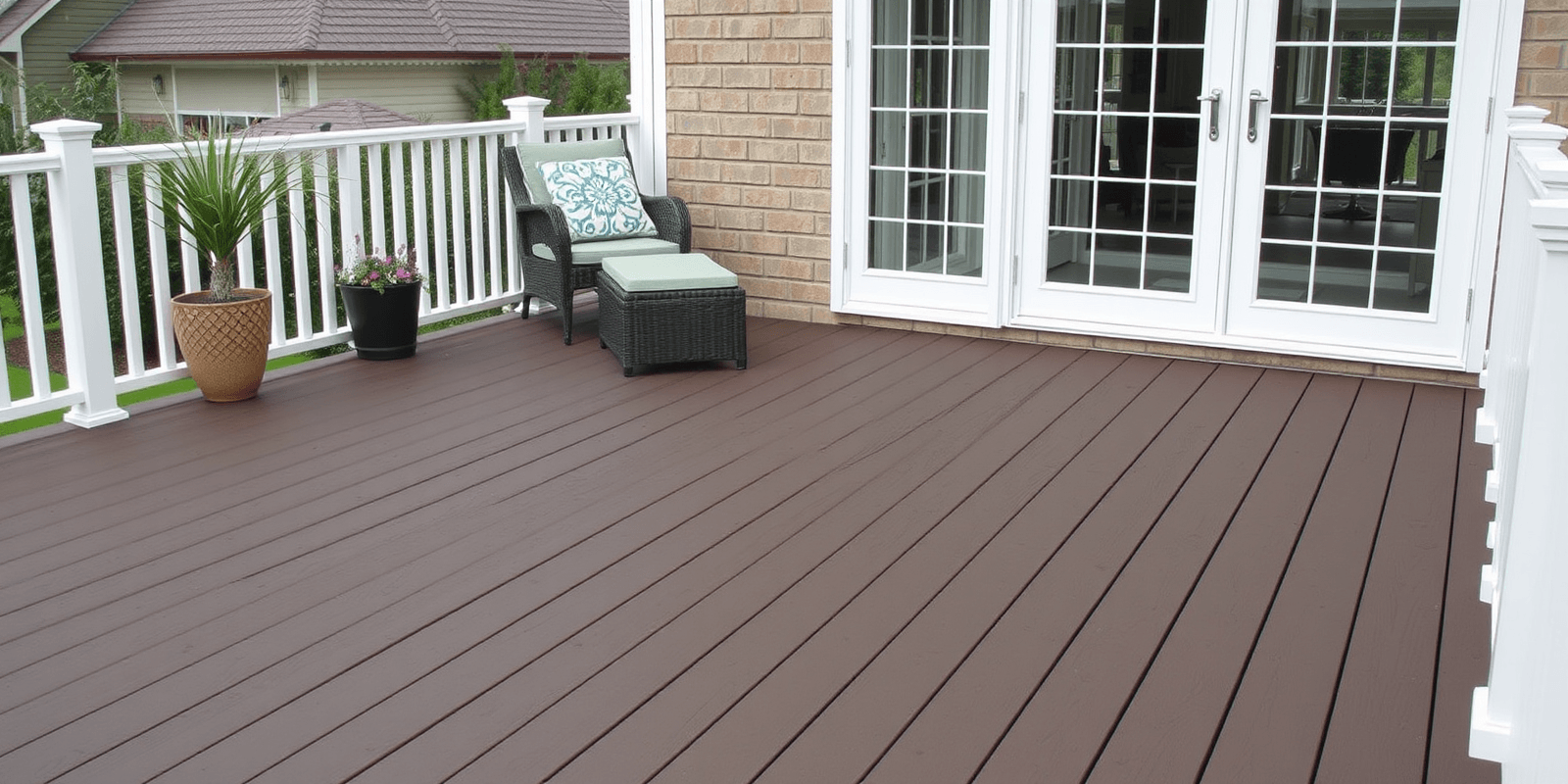
What is Composite Decking?
Composite decking has become increasingly popular over recent years as homeowners look for alternatives to traditional wood decks. In this article, we will explore the numerous benefits of composite decking, including its durability, low maintenance requirements, and contribution to a greener environment. We will also delve into real-life examples and case studies to provide a comprehensive understanding of why composite decking is a superior choice.
Introduction
Composite decking is a type of decking material made from a combination of wood fibers and plastic resins. This blend creates a highly durable, long-lasting, and aesthetically pleasing surface for outdoor living spaces. Unlike traditional wood decks, composite decking requires minimal maintenance and can withstand harsh weather conditions, making it an attractive option for many homeowners.
Durability: A Key Advantage of Composite Decking
One of the most significant advantages of composite decking is its durability. Traditional wood decks are prone to warping, cracking, and rotting, especially when exposed to moisture or extreme temperatures. In contrast, composite decking materials are designed to resist these issues, providing a longer-lasting and more reliable surface. According to a study by the University of Florida, composite decking has a lifespan of up to 50 years, significantly longer than traditional wood decks, which typically last around 15-20 years.
Low Maintenance Requirements
Another key benefit of composite decking is its low maintenance requirements. Unlike traditional wood decks, which require regular sealing, staining, and sanding to maintain their appearance and structural integrity, composite decking can be easily cleaned with soap and water. Additionally, composite decking is resistant to mold, mildew, and insects, reducing the need for ongoing treatment and repair. As a result, homeowners can save time and money on deck maintenance, allowing them to enjoy their outdoor space without the hassle of constant upkeep.
Environmental Benefits
Composite decking also offers several environmental benefits compared to traditional wood decks. The production process for composite decking materials typically uses recycled plastic and wood fibers, reducing waste and conserving natural resources. Furthermore, composite decking does not require the use of harmful chemicals for maintenance, reducing the impact on the surrounding ecosystem. For example, Trex, one of the leading manufacturers of composite decking, has recycled over 6 billion plastic bags and millions of pounds of wood scraps since its inception, contributing to a cleaner environment.
Real-Life Examples and Case Studies
To better understand the benefits of composite decking, let’s examine some real-life examples and case studies. In a study conducted by the National Association of Home Builders, homeowners who installed composite decking reported a 90% reduction in maintenance costs compared to those with traditional wood decks. Another study by the American Society of Landscape Architects found that composite decking increased property values by an average of 10%, making it a wise investment for homeowners looking to enhance their outdoor living spaces.
Conclusion
In conclusion, composite decking offers numerous advantages over traditional wood decks, including increased durability, lower maintenance requirements, and environmental benefits. With its ability to withstand harsh weather conditions, resist damage from insects and mold, and reduce the need for ongoing treatment, composite decking is an excellent choice for homeowners seeking a low-maintenance, long-lasting, and aesthetically pleasing outdoor living space.