
“`html
Weather-Resistant Composite Decking: A Comprehensive Guide
Introduction
In recent years, composite decking has emerged as a popular alternative to traditional wood decking. Its resistance to moisture, UV rays, and temperature fluctuations makes it an ideal choice for homeowners seeking a durable, low-maintenance outdoor living space. This guide will explore the specific features of weather-resistant composite decking products, provide expert advice on installation techniques, recommended sealants, and offer tips on choosing the right product based on local weather patterns and personal preferences.
Understanding Weather-Resistant Composite Decking
Composite decking is made from a combination of wood fibers and plastic materials, typically high-density polyethylene (HDPE) or polypropylene. The blend of these materials creates a product that is highly resistant to moisture, UV rays, and temperature fluctuations. Weather-resistant composite decking is designed to withstand harsh environmental conditions, making it an excellent option for homeowners in regions with extreme weather patterns.
Key Features of Weather-Resistant Composite Decking
- Moisture Resistance: Composite decking is less prone to swelling, warping, and rotting compared to natural wood. It can handle exposure to rain, snow, and humidity without losing its structural integrity.
- UV Protection: The plastic component of composite decking provides a natural barrier against UV rays, which helps prevent fading and discoloration over time.
- Temperature Fluctuations: Composite decking is more stable than wood when exposed to extreme temperatures, reducing the risk of cracking or splitting.
Installation Techniques
Proper installation is crucial for maximizing the lifespan and performance of your composite deck. Here are some key tips for successful installation:
Site Preparation
Ensure the substructure is level and sturdy. Use pressure-treated lumber or metal joists to support the composite boards. Proper site preparation prevents sagging and ensures even weight distribution.
Sealing and Finishing
Unlike natural wood, composite decking does not require regular sealing or staining. However, using a clear sealant can enhance its appearance and protect it from minor scratches and stains. Look for sealants specifically formulated for composite materials to avoid damaging the surface.
Recommended Sealants
Some recommended sealants include ThermaCell Mosquito Repellent Deck Canopy and Behr Premium Plus Ultra Semi-Transparent Stain. These products are known for their durability and effectiveness in protecting composite surfaces.
Choosing the Right Product
Selecting the right composite decking material depends on several factors, including local weather conditions, aesthetic preferences, and budget constraints. Consider the following when making your decision:
Local Weather Patterns
Areas with high humidity, frequent rainfall, or extreme temperatures may require composite decking with enhanced moisture and UV protection. Research the specific climate requirements for different brands to ensure you select a product suitable for your region.
Aesthetic Preferences
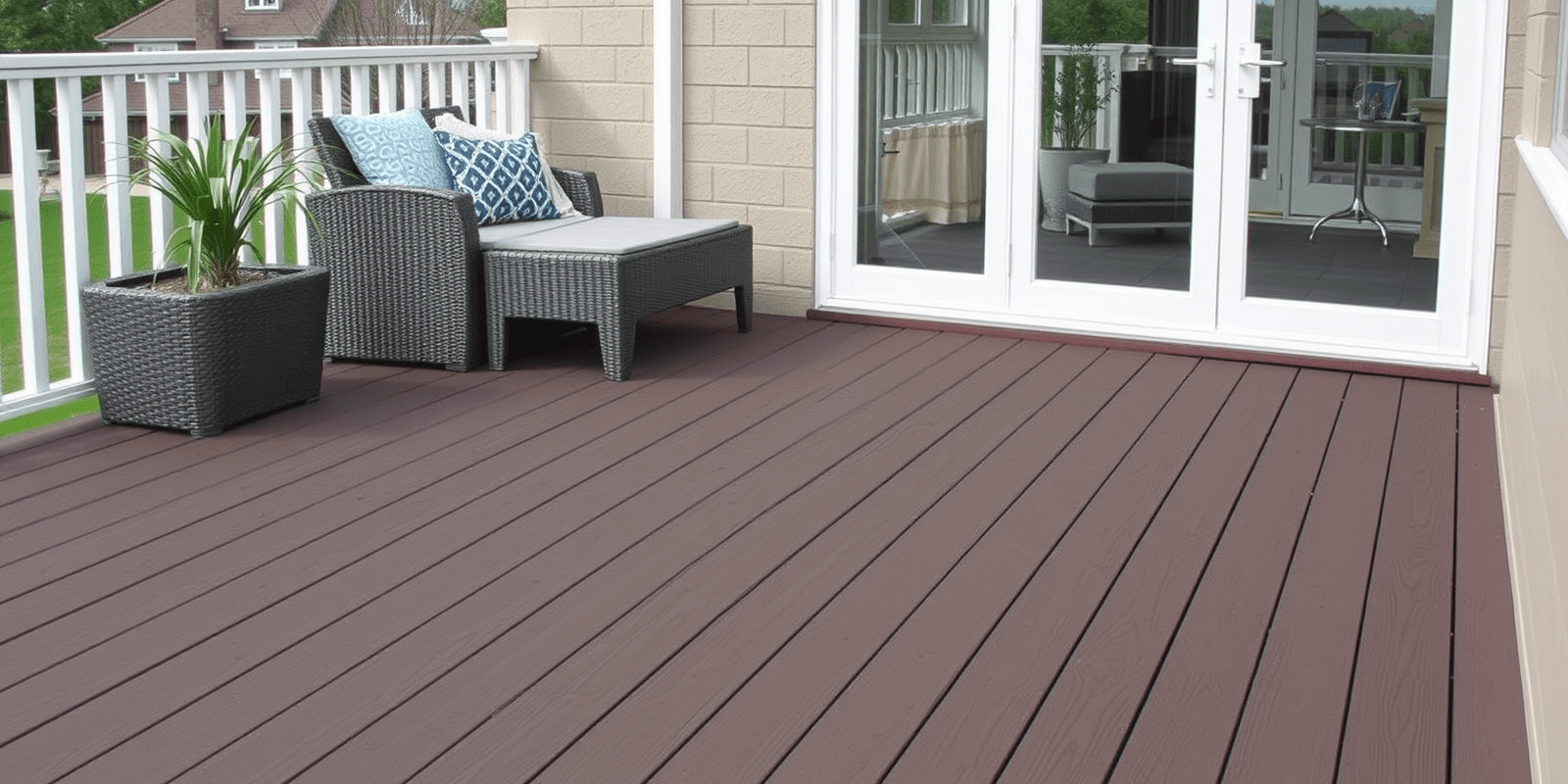
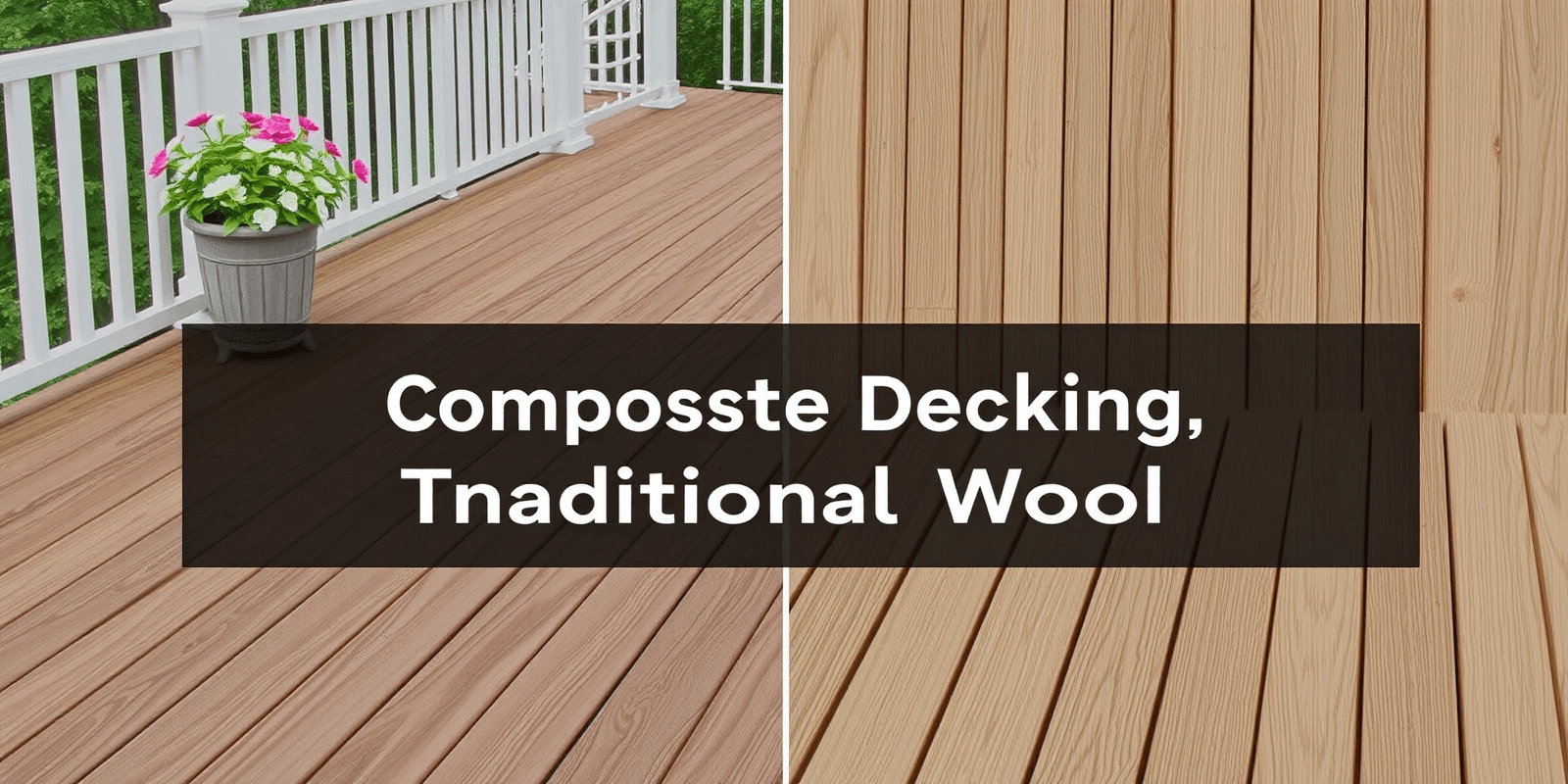
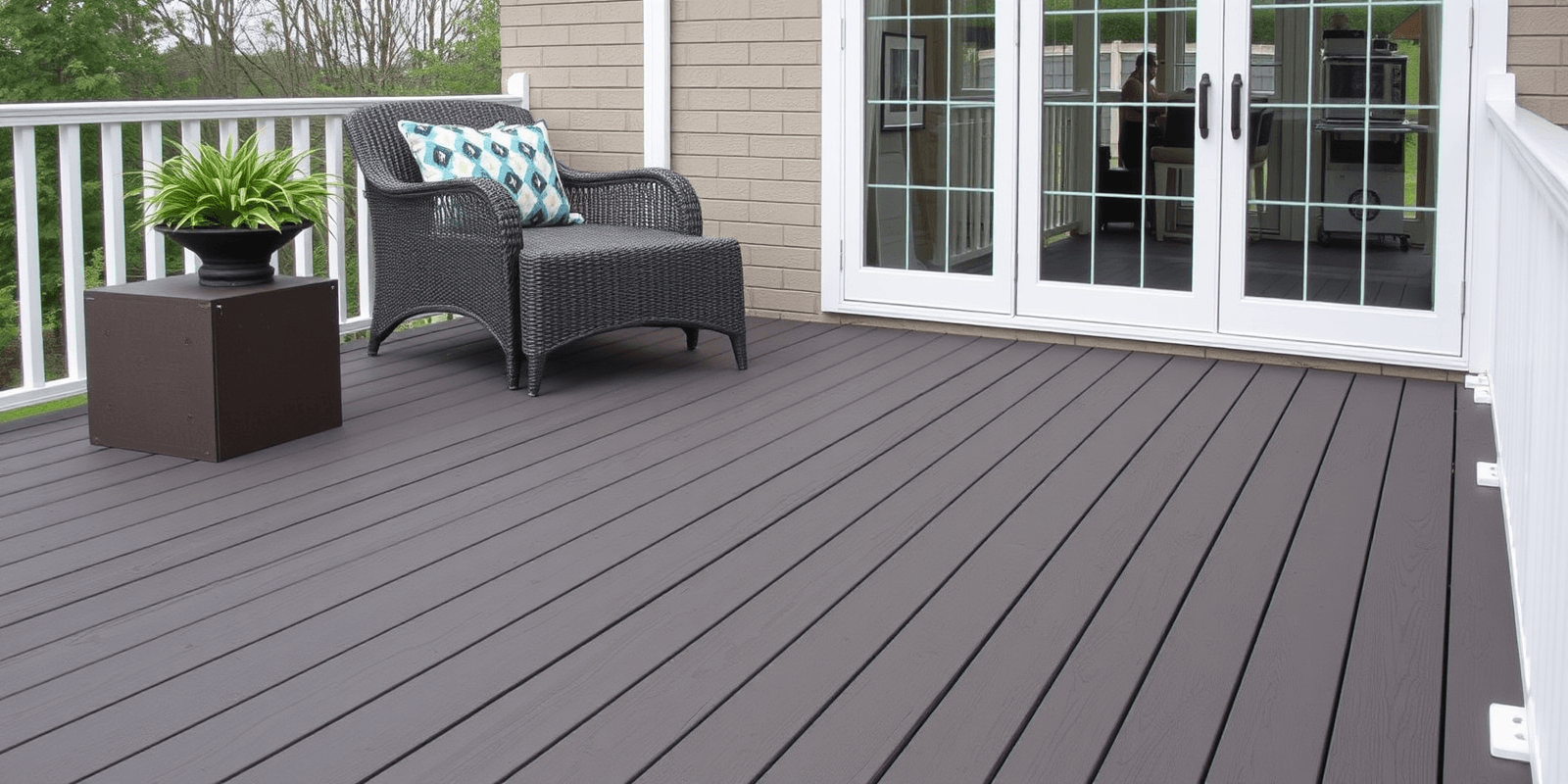
Composite decking comes in a variety of colors and textures, allowing you to achieve a custom look for your outdoor space. Some brands offer realistic wood grain finishes, while others have a more uniform appearance. Choose a style that complements your home’s architecture and landscaping.
Budget Constraints
Composite decking can be more expensive upfront compared to natural wood, but it offers long-term savings due to reduced maintenance costs. Compare prices among different brands and retailers to find the best value for your investment.
Conclusion
Weather-resistant composite decking is an excellent choice for homeowners seeking a durable, low-maintenance outdoor living space. By understanding the key features of composite decking, following proper installation techniques, and selecting the right product based on local weather patterns and personal preferences, you can create a beautiful and functional deck that stands the test of time.
“`