
“`html
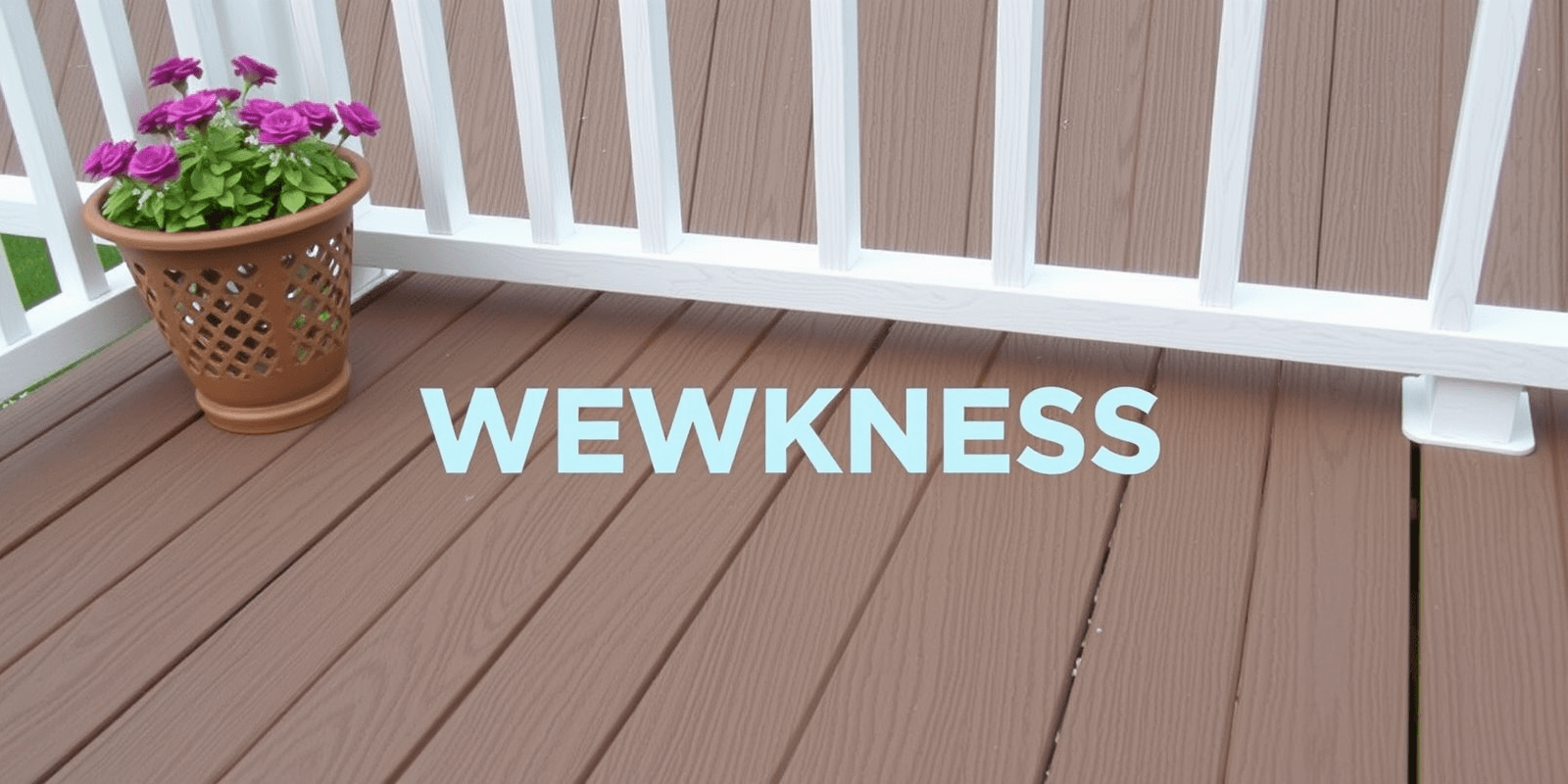
Weaknesses of Composite Decking
Introduction
In recent years, composite decking has become a popular alternative to traditional wood decking due to its durability, low maintenance, and resistance to rot and insects. However, despite its numerous advantages, composite decking is not without its weaknesses. This article will discuss the various factors that contribute to the weaknesses in composite decking, such as fading, cracking, and splintering. It will also compare these issues with those faced by traditional wood decks and highlight how they affect the longevity and appearance of composite materials.
Fading: A Common Weakness
One of the most common weaknesses in composite decking is fading. Over time, exposure to sunlight can cause the colors of composite materials to fade, leading to an unsightly appearance. While traditional wood decks can also fade, they often develop a natural patina that some homeowners find aesthetically pleasing. Composite materials, on the other hand, may lose their vibrant colors more quickly, affecting the overall look of the deck.
Cracking and Splintering: Durability Issues
Another weakness of composite decking is cracking and splintering. Although composite materials are designed to be durable and resistant to splitting, extreme weather conditions or improper installation can lead to cracks forming over time. Traditional wood decks can also crack and splinter, but they typically require more frequent maintenance to prevent these issues. Composite materials, however, can sometimes develop cracks or splinters more rapidly than expected, especially if exposed to harsh environmental conditions.
Comparing Composite and Wood Decks
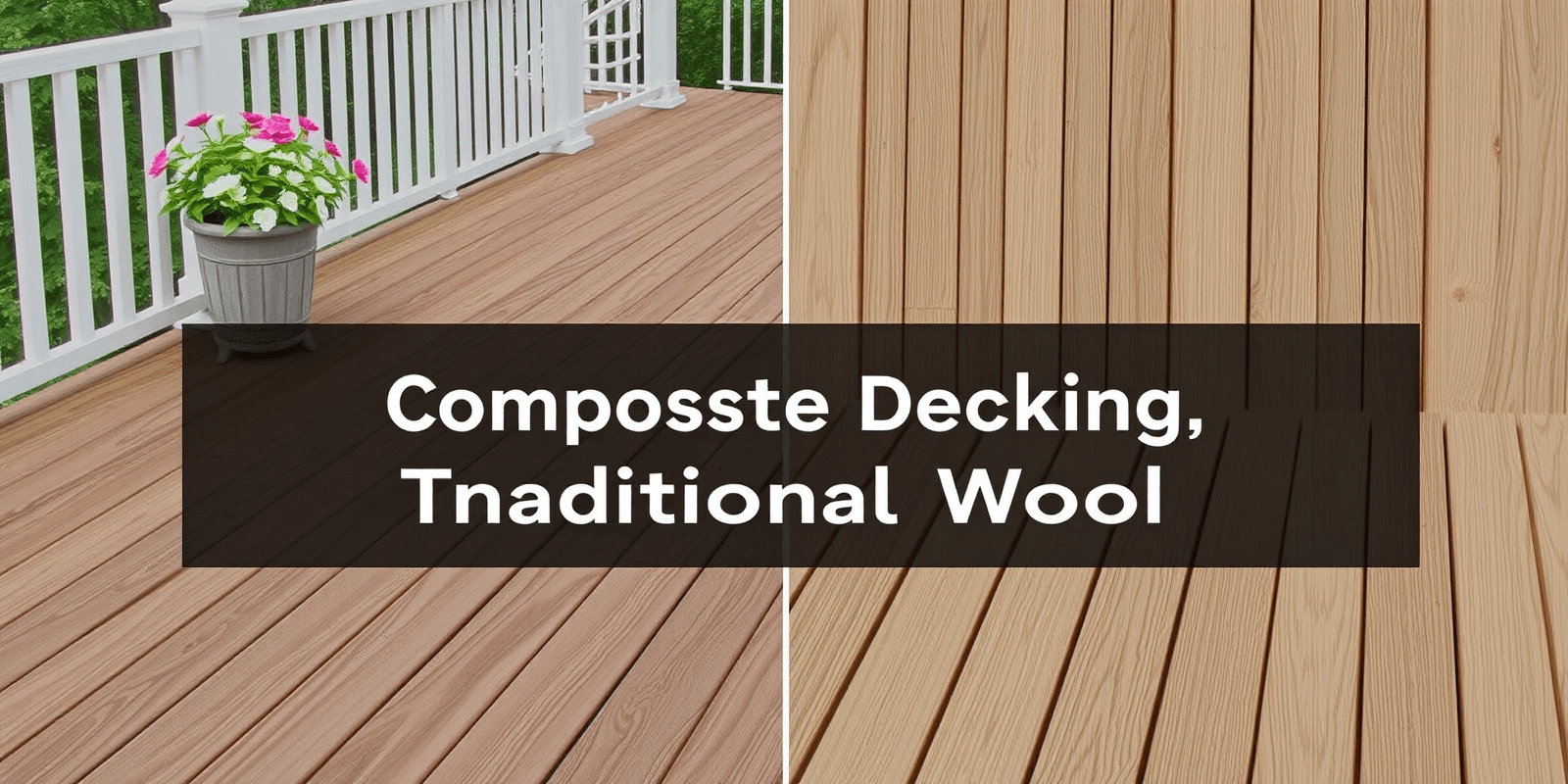
When comparing composite and wood decks, it’s important to consider both the strengths and weaknesses of each material. While composite decking offers significant advantages in terms of durability and low maintenance, it can still face challenges related to fading, cracking, and splintering. Traditional wood decks, on the other hand, may require more frequent maintenance but can develop a unique character over time. Understanding these differences can help homeowners make informed decisions about which type of decking best suits their needs and preferences.
Conclusion
Composite decking has many benefits, but it is not without its weaknesses. Fading, cracking, and splintering are common issues that can affect the longevity and appearance of composite materials. While these problems can also occur with traditional wood decks, the nature of the issues differs. By understanding these weaknesses, homeowners can better appreciate the trade-offs involved in choosing composite decking and take steps to mitigate potential problems.
“`