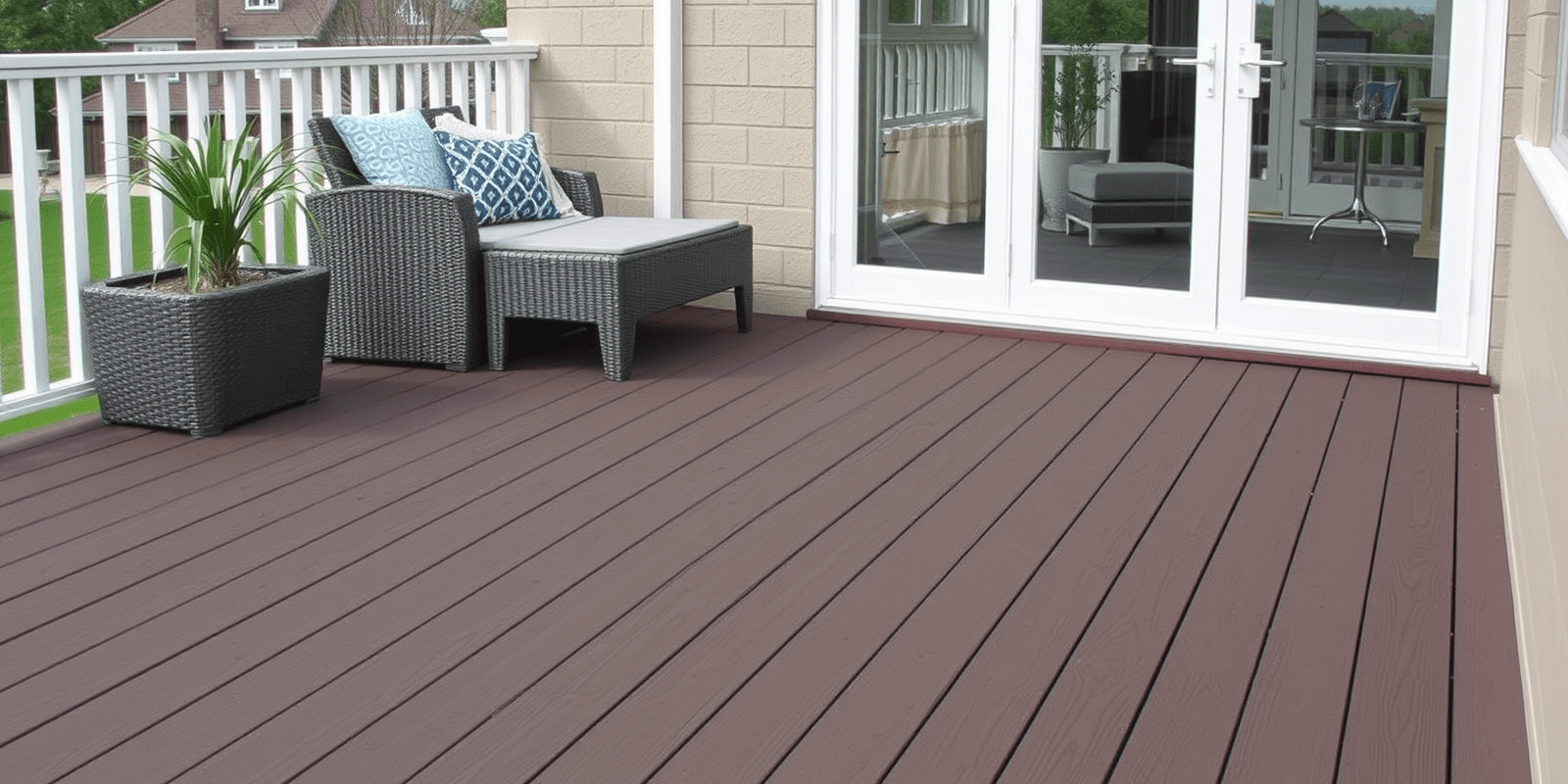


Water Seal Composite Decking: A Comprehensive Guide
Welcome to your ultimate guide on water seal composite decking! This article will provide you with a deep dive into the world of composite decking, focusing on its materials, manufacturing process, installation steps, environmental advantages, and how it compares to traditional wood decking. If you’re a homeowner considering this option, this guide is tailored just for you.
Materials Used in Water Seal Composite Decking
Water seal composite decking is crafted from a blend of plastic (often recycled) and wood fibers. These materials are combined under high pressure and heat to create a durable, long-lasting product. The plastic component ensures that the decking resists moisture, rot, and insect damage, while the wood fibers give it a natural appearance and feel. The use of recycled materials also makes this an environmentally friendly choice.
Manufacturing Process of Water Seal Composite Decking
The manufacturing process of water seal composite decking involves several key steps:
- Mixing: Wood fibers and plastic are mixed together in precise proportions.
- Extrusion: The mixture is heated and forced through an extruder to form the desired shape.
- Cooling: The formed decking is cooled to stabilize its structure.
- Cutting: The cooled decking is cut to size.
- Finishing: The decking is treated with a water seal to enhance its durability and appearance.
Installation Steps for Water Seal Composite Decking
Installing water seal composite decking is relatively straightforward but requires some basic carpentry skills. Here’s a step-by-step guide:
- Prepare the Site: Clear the area and ensure it is level.
- Lay the Joists: Install the structural support beams (joists) at the appropriate spacing.
- Attach the Decking: Secure the composite boards to the joists using screws or clips.
- Seal the Edges: Apply a water sealant to the edges to prevent moisture absorption.
- Final Touches: Add railings, stairs, and other finishing touches as needed.
Environmental Advantages of Water Seal Composite Decking
One of the standout features of water seal composite decking is its eco-friendly nature. It is made from recycled materials, reducing landfill waste and conserving natural resources. Additionally, the longevity of composite decking means fewer replacements over time, further minimizing environmental impact. The water seal treatment also helps extend the life of the decking, reducing the need for frequent maintenance and replacement.
How Water Seal Composite Decking Compares to Traditional Wood Decking
Water seal composite decking offers several advantages over traditional wood decking:
- Durability: Composite decking is more resistant to moisture, rot, and insects than wood.
- Maintenance: It requires less maintenance and can be cleaned easily with soap and water.
- Appearance: While it may not have the same organic look as wood, it comes in various colors and styles that can complement any home.
- Cost: Although initial costs may be higher, the long-term savings on maintenance and replacement make it a cost-effective option.
Practical Advice for Homeowners Considering Water Seal Composite Decking
If you’re thinking about installing water seal composite decking, here are some tips to help you make the best decision:
- Research: Look into different brands and read reviews to find the best quality composite decking.
- Consult Professionals: Hire experienced contractors who specialize in composite decking installations.
- Plan Ahead: Consider the climate and weather conditions in your area to choose the right type of composite decking.
- Long-Term Savings: Factor in the long-term benefits such as reduced maintenance costs and extended lifespan.
By choosing water seal composite decking, you can enjoy a beautiful, low-maintenance outdoor space that stands the test of time. Happy building!