
“`html
Vinyl Covered Composite Decking: The Ultimate Guide to Choosing the Right Material
Welcome to our comprehensive guide on vinyl covered composite decking. This type of decking is becoming increasingly popular due to its unique blend of aesthetics and practicality. In this article, we will explore its features, benefits, installation process, and maintenance tips. We will also offer expert advice on selecting the best material for various climates and project needs, comparing it with other decking options.
Features of Vinyl Covered Composite Decking
Vinyl covered composite decking combines the durability of composite materials with the low-maintenance qualities of vinyl. It typically consists of a core made from wood fibers or recycled plastic, which is then encased in a layer of PVC (polyvinyl chloride). This construction method provides several key features:
- Resistance to moisture and rot: The vinyl coating protects against water damage and fungal growth, making it ideal for humid or wet climates.
- Low maintenance: Unlike traditional wood decks, vinyl covered composite decks do not require staining or sealing, reducing long-term upkeep costs.
- Stain resistance: The PVC surface resists stains and discoloration, keeping your deck looking fresh over time.
Benefits of Vinyl Covered Composite Decking
The benefits of vinyl covered composite decking extend beyond its physical properties. Here are some additional advantages:
- Environmentally friendly: Many brands use recycled materials in their production, contributing to sustainability efforts.
- Cost-effective: While the initial cost may be higher than wood, the long-term savings from reduced maintenance make it a cost-effective choice.
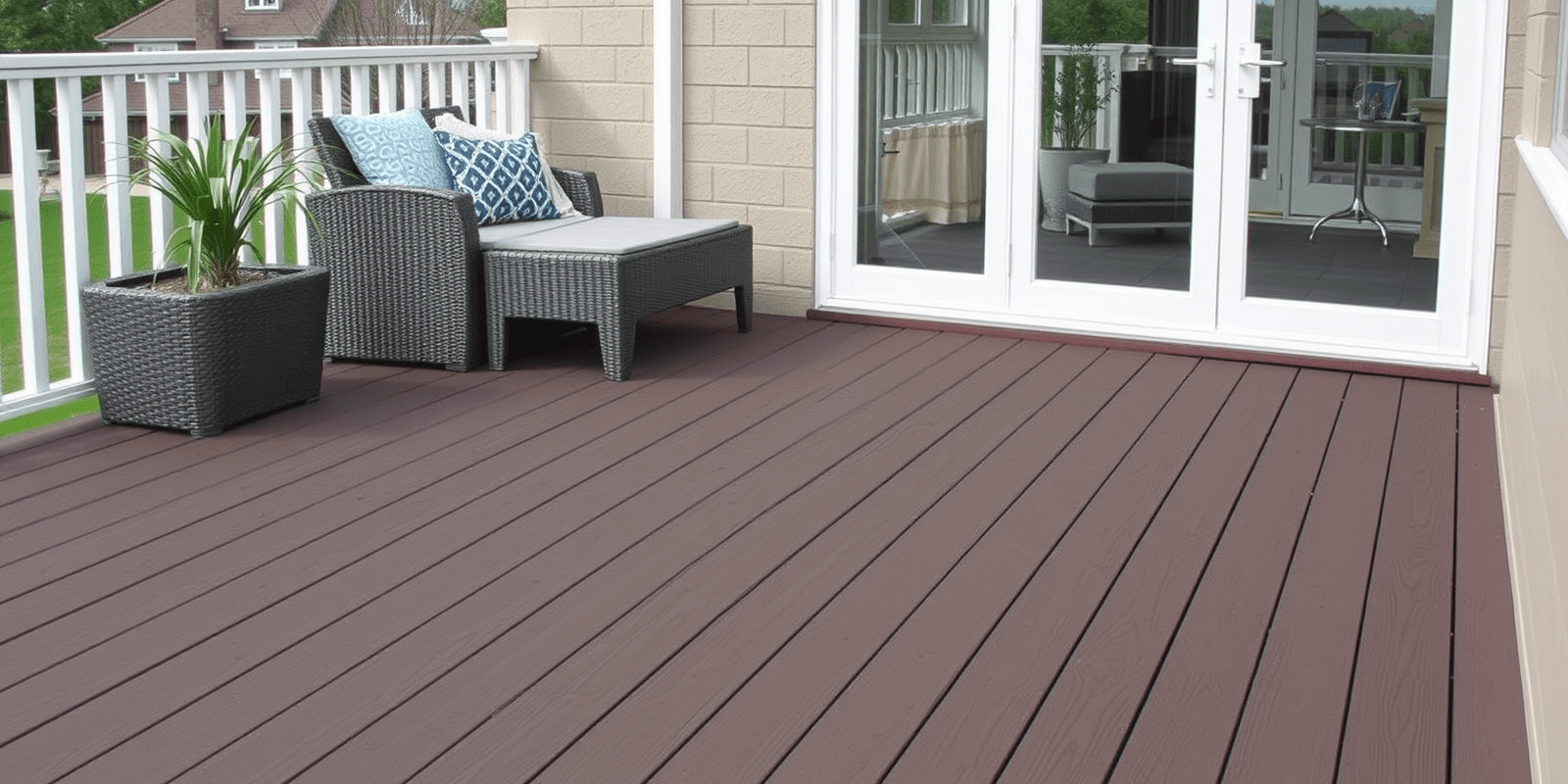
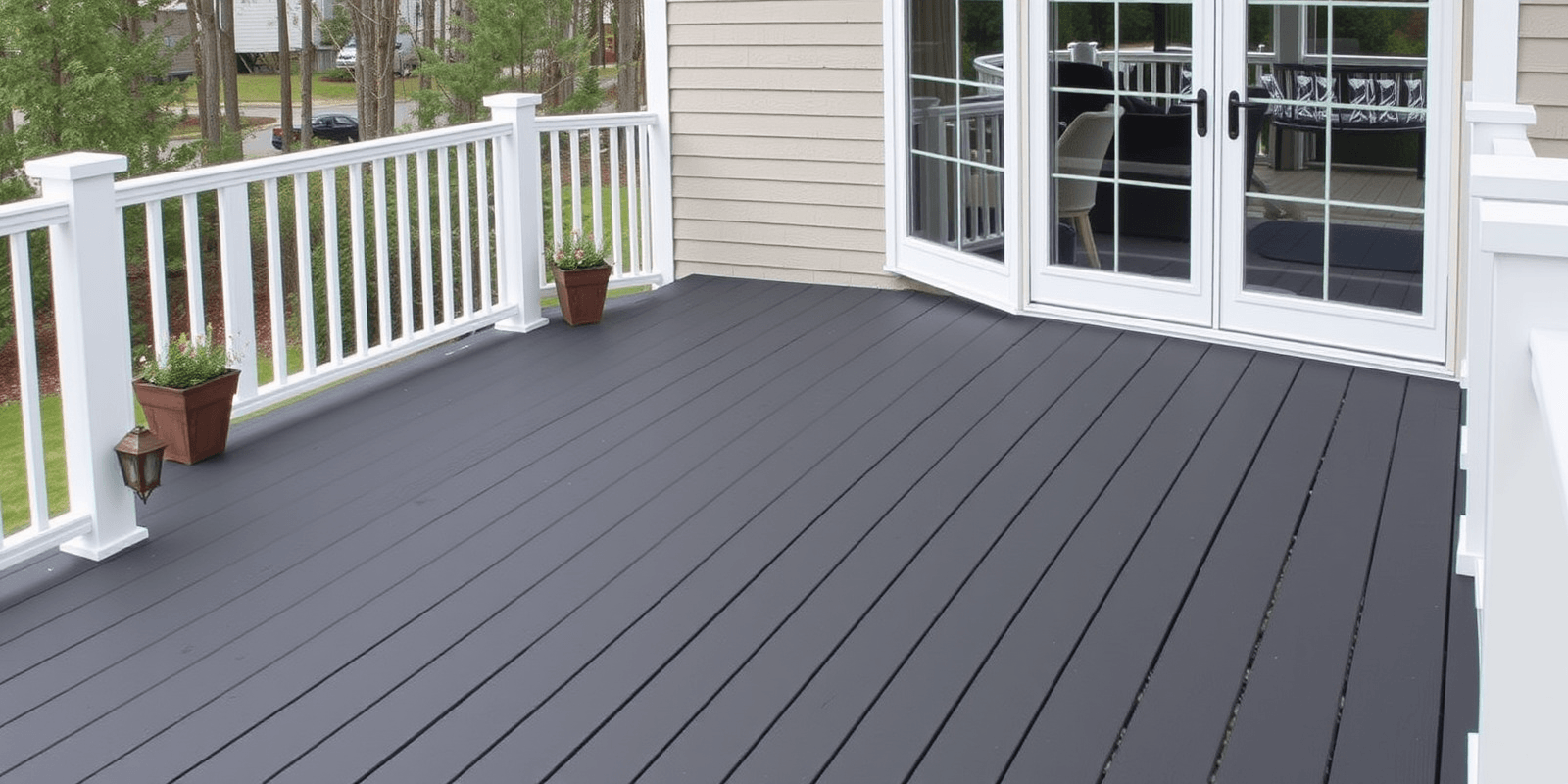
- Aesthetic appeal: Available in a variety of colors and textures, vinyl covered composite decking can mimic the look of natural wood without the need for regular upkeep.
Installation Process
The installation of vinyl covered composite decking is similar to that of other composite materials. However, it’s important to follow these steps carefully:
- Preparation: Ensure the substructure is level and stable before beginning the installation.
- Cut and fit: Use specialized tools to cut the decking boards to size, ensuring a snug fit between boards.
- Fastening: Secure the boards using screws designed for composite materials, spacing them appropriately to allow for expansion.
For detailed instructions, consult the manufacturer’s guidelines or hire a professional installer.
Maintenance Tips
To keep your vinyl covered composite deck in top condition, follow these maintenance tips:
- Regular cleaning: Sweep or rinse the deck periodically to remove dirt and debris.
- Spot cleaning: Address spills promptly to prevent staining.
- Inspection: Periodically check fasteners and seal any gaps to prevent water intrusion.
Selecting the Best Material for Your Climate and Project Needs
Choosing the right decking material depends on several factors, including climate, aesthetic preferences, and budget. For areas prone to heavy rainfall or high humidity, vinyl covered composite decking offers superior resistance to moisture and rot. In colder climates, ensure the material can withstand temperature fluctuations without warping or cracking. Consult local experts to determine the best option for your specific environment.
Comparison with Other Decking Options
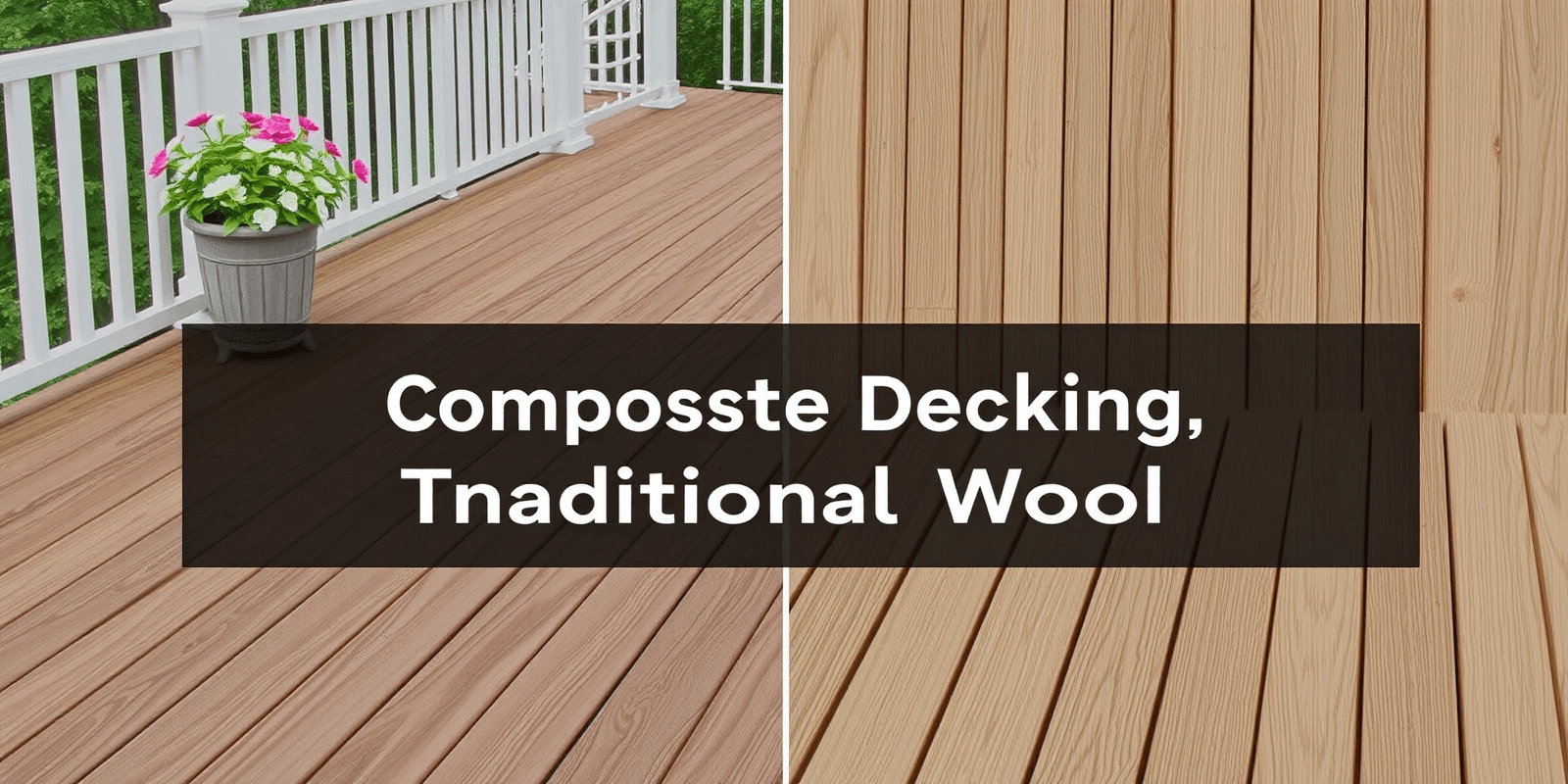
When compared to traditional wood and other composite materials, vinyl covered composite decking stands out in several ways:
| Vinyl Covered Composite | Wood | Uncovered Composite | |
|---|---|---|---|
| Maintenance | Low | High | Low |
| Resistance to Moisture | High | Low | Medium |
| Aesthetic Appeal | Varies by brand | High | Varies by brand |
While wood offers a classic look, it requires frequent maintenance and is susceptible to weather-related damage. Uncovered composite materials provide a middle ground, offering moderate resistance to moisture and low maintenance but lacking the full protective benefits of a vinyl coating.
Conclusion
Vinyl covered composite decking is an excellent choice for those seeking a durable, low-maintenance, and aesthetically pleasing outdoor living space. By understanding its features, benefits, installation process, and maintenance requirements, you can make an informed decision that suits your specific needs and climate conditions.
References
National Association of Home Inspectors
Family Handyman
This Old House
“`