
Vinyl Covered Composite Decking: An Eco-Friendly Choice for Your Home
Introduction
In recent years, the demand for sustainable and eco-friendly building materials has surged. One such material that stands out is vinyl covered composite decking. This innovative decking solution offers a unique blend of durability, low maintenance, and environmental responsibility. In this article, we will explore the sustainability, maintenance requirements, and cost-effectiveness of vinyl covered composite decking compared to traditional materials like wood and metal.
Sustainability of Vinyl Covered Composite Decking
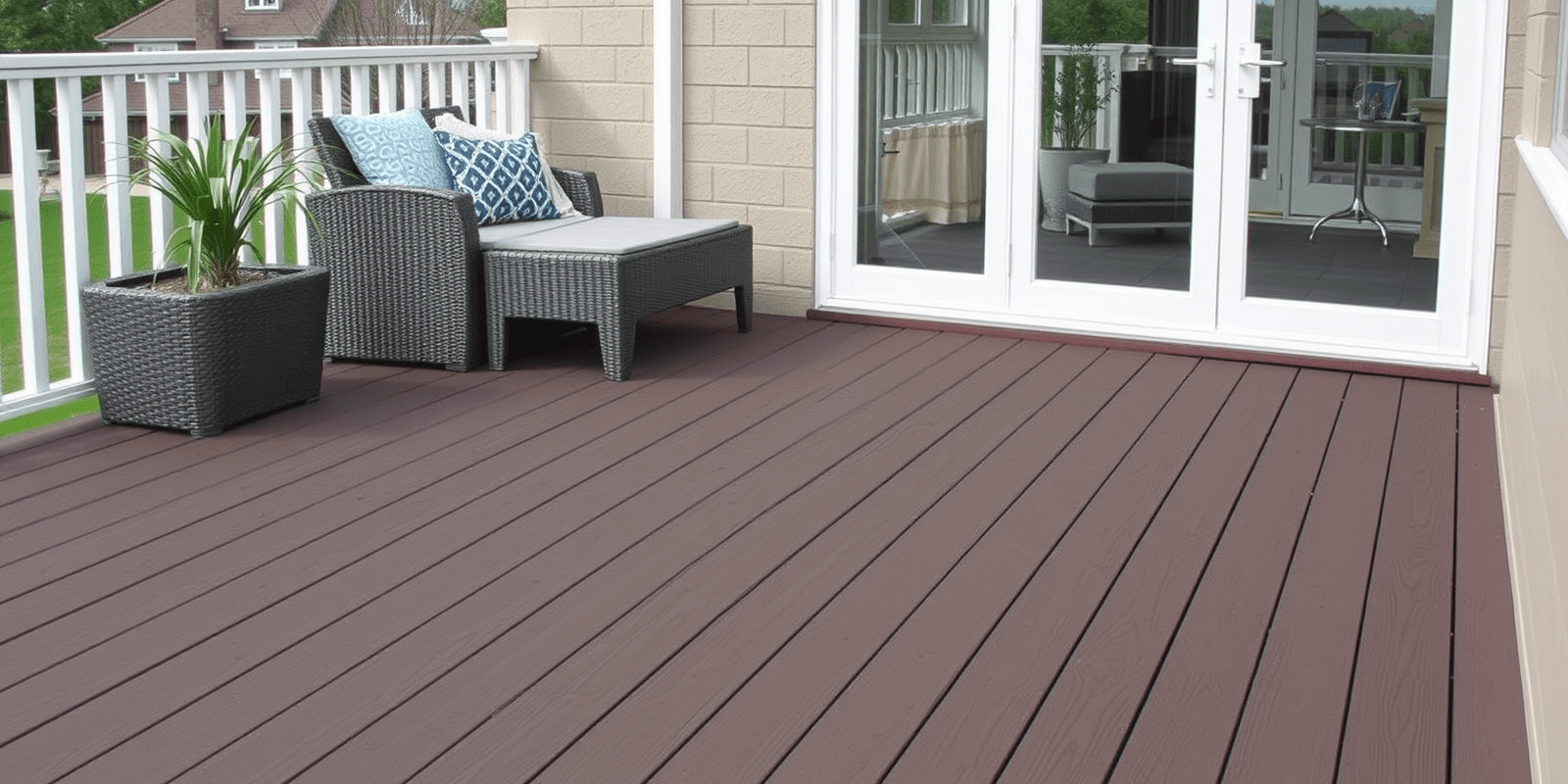
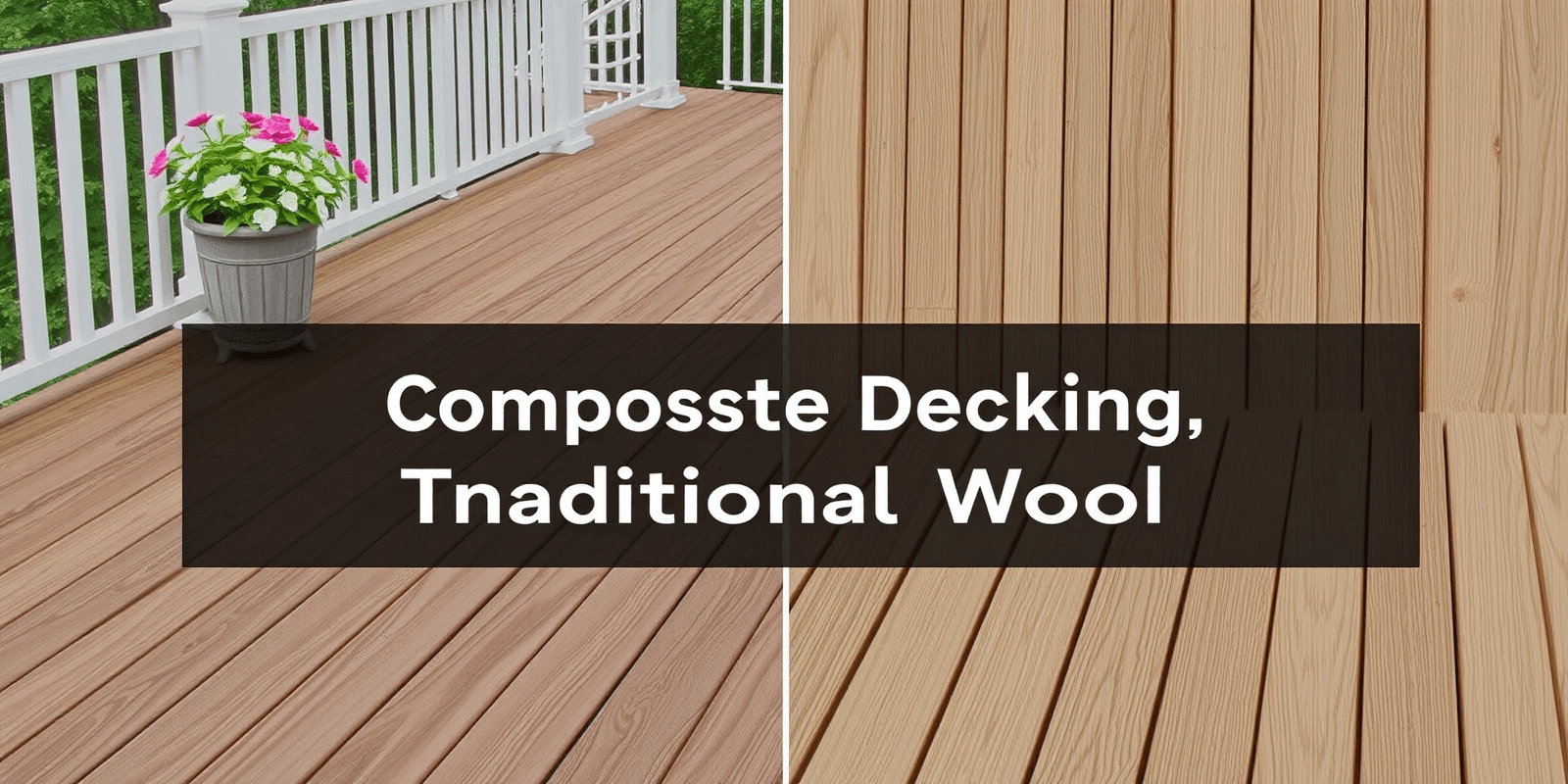
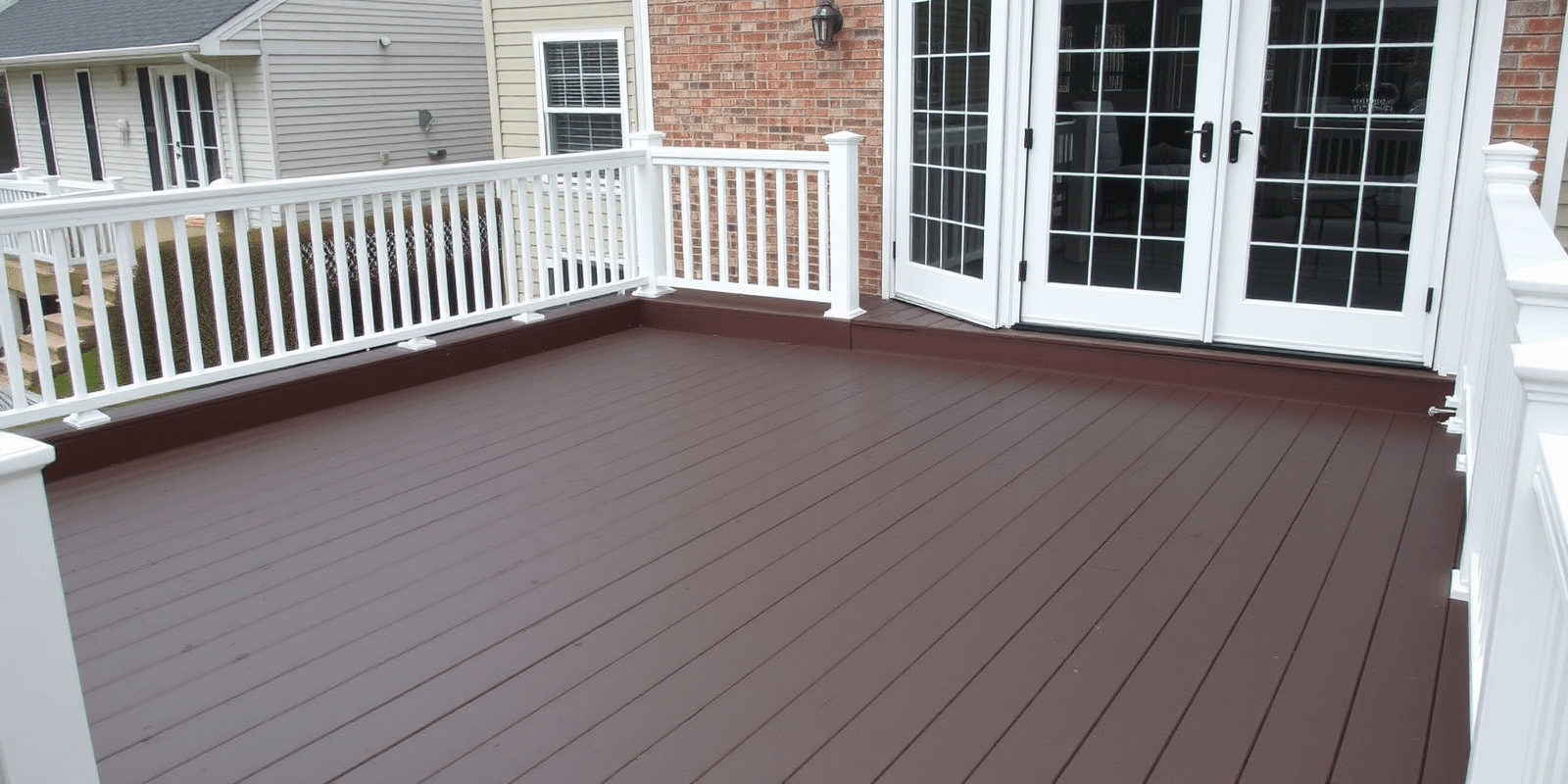
Vinyl covered composite decking is a prime example of how innovation can lead to sustainable solutions. Unlike traditional wood decks, which require frequent treatments and replacements due to rot, mold, and insect damage, composite decking is highly resistant to these issues. The core of the decking is made from recycled plastic and wood fibers, reducing waste and conserving natural resources. The vinyl coating not only enhances the aesthetic appeal but also provides additional protection against weather elements, ensuring a longer lifespan.
For instance, Trex, a leading manufacturer of composite decking, uses 95% recycled materials in their products. This commitment to sustainability has earned them recognition as one of the most environmentally responsible decking companies.
Maintenance Requirements
One of the biggest advantages of vinyl covered composite decking is its minimal maintenance requirements. Traditional wood decks need regular sealing and staining to protect them from the elements, which can be both time-consuming and costly. In contrast, composite decking requires little more than occasional cleaning with soap and water. The vinyl coating further simplifies maintenance by providing an easy-to-clean surface that resists stains and fading.
Customer testimonies often highlight the ease of upkeep. For example, Sarah J., a homeowner from California, shares her experience: “Our Trex deck has been a breeze to maintain. It doesn’t require any special treatment, and it looks as good as new after years of use.”
Cost-Effectiveness Compared to Other Materials
While the upfront cost of vinyl covered composite decking may be higher than traditional materials, the long-term savings make it a cost-effective choice. The durability and longevity of composite decking reduce the need for frequent replacements, saving homeowners money in the long run. Additionally, the energy-efficient nature of composite decking can lower heating and cooling costs due to its better insulation properties.
A study by DeckStoday.com found that composite decks have a longer lifespan than wood decks, averaging around 25-30 years compared to 15-20 years for wood. This extended lifespan translates into significant savings on replacement costs.
Conclusion
Vinyl covered composite decking offers a compelling combination of sustainability, low maintenance, and cost-effectiveness. Its eco-friendly attributes, combined with its durability and aesthetic appeal, make it an excellent choice for homeowners looking to build or renovate their decks. With continued advancements in technology and growing consumer awareness, the popularity of composite decking is likely to increase, offering even more sustainable options in the future.