
“`html
Using Composite Decking Board as Fascia Board
Introduction
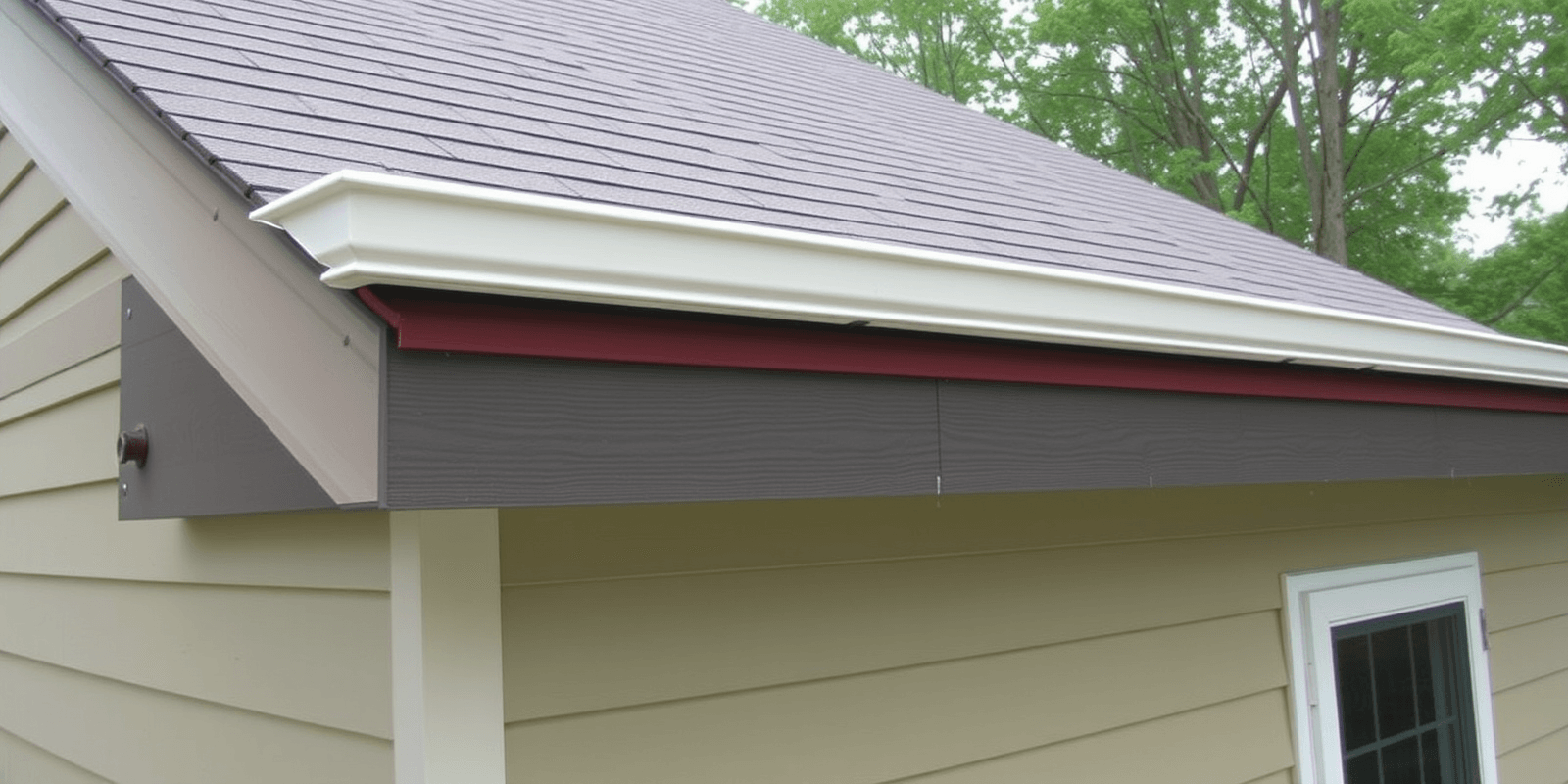
In recent years, the use of composite decking boards has gained significant popularity due to their numerous advantages over traditional wood materials. This article explores the benefits of using composite decking boards for fascia, focusing on aesthetics, durability, and maintenance. Additionally, it compares these benefits with those offered by traditional wood fascia and provides valuable installation tips.
Aesthetics: A Blend of Style and Versatility
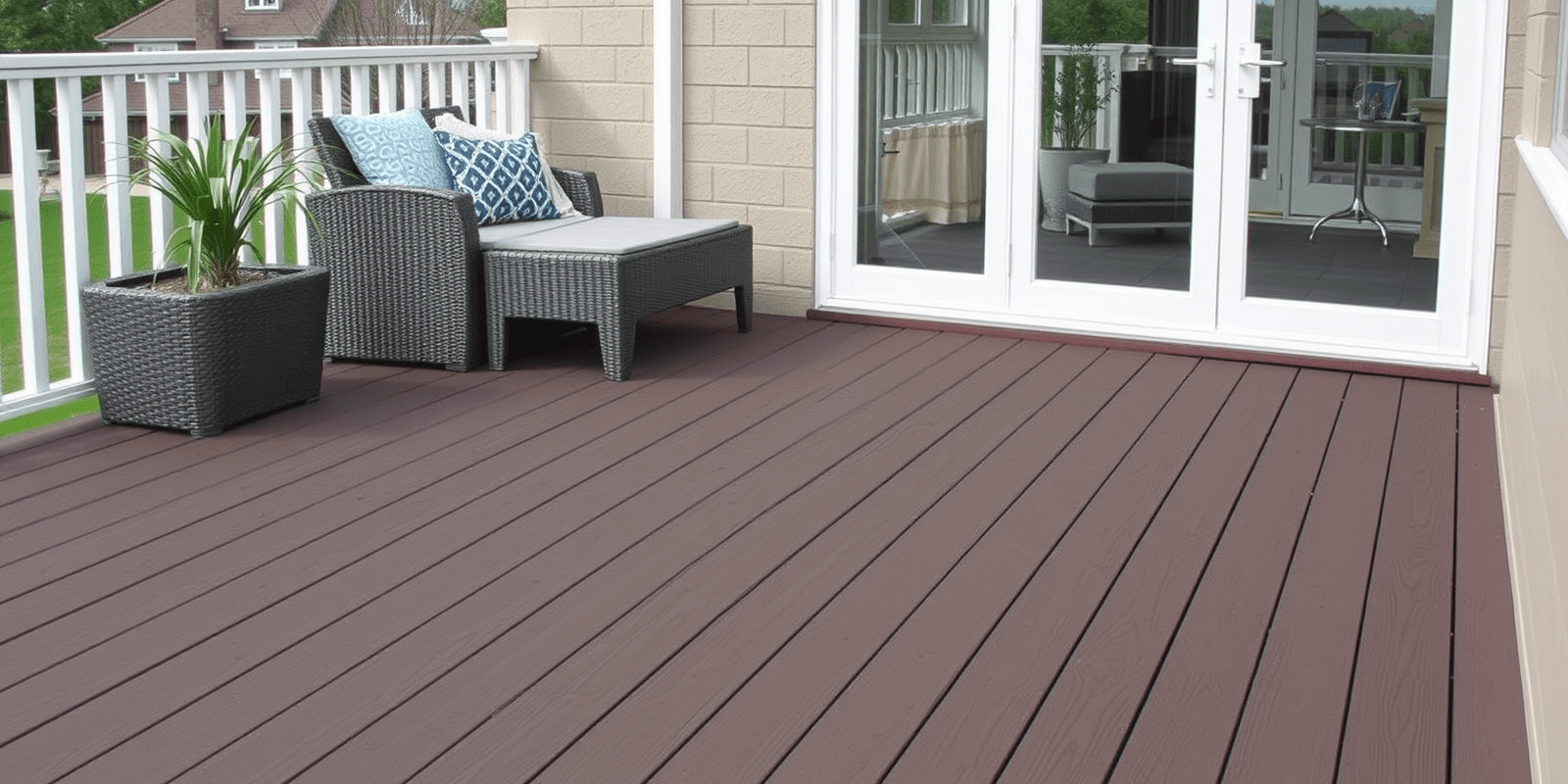
Composite decking boards offer a wide range of aesthetic options that can enhance the appearance of your home. With various colors and finishes available, you can choose a style that perfectly complements your house’s exterior. Unlike traditional wood, which may fade or change color over time, composite decking maintains its original look, ensuring your fascia remains attractive for years to come. This consistency in appearance makes composite decking an excellent choice for homeowners looking to maintain a cohesive and elegant facade.
Durability: Resilience Against the Elements
One of the most compelling reasons to opt for composite decking boards is their exceptional durability. These materials are designed to withstand harsh weather conditions, including rain, snow, and extreme temperatures. Unlike wood, which can warp, crack, or rot when exposed to moisture, composite decking is highly resistant to these issues. This resilience ensures that your fascia will remain intact and functional for many years, reducing the need for frequent repairs or replacements. According to a study by the National Association of Home Builders (NAHB), composite materials have a significantly longer lifespan compared to traditional wood, making them a cost-effective long-term investment.
Maintenance: Effortless Care and Longevity
Maintenance is another area where composite decking boards outshine traditional wood. While wood fascia requires regular painting, staining, and sealing to protect against decay and insect damage, composite decking boards require minimal upkeep. They are resistant to mold, mildew, and termites, eliminating the need for constant treatment. Regular cleaning with soap and water is usually sufficient to keep your composite fascia looking pristine. This low-maintenance characteristic not only saves time but also reduces overall costs associated with maintaining your home’s exterior.
Installation Tips
When installing composite decking boards as fascia, it’s crucial to follow proper techniques to ensure optimal performance. First, ensure the surface is clean and level before attaching the boards. Use corrosion-resistant screws or fasteners specifically designed for composite materials to avoid premature degradation. It’s also advisable to leave a small gap between each board to allow for expansion and contraction due to temperature changes. For best results, consult a professional installer who has experience with composite materials to guarantee a flawless installation.
Comparison with Traditional Wood Fascia
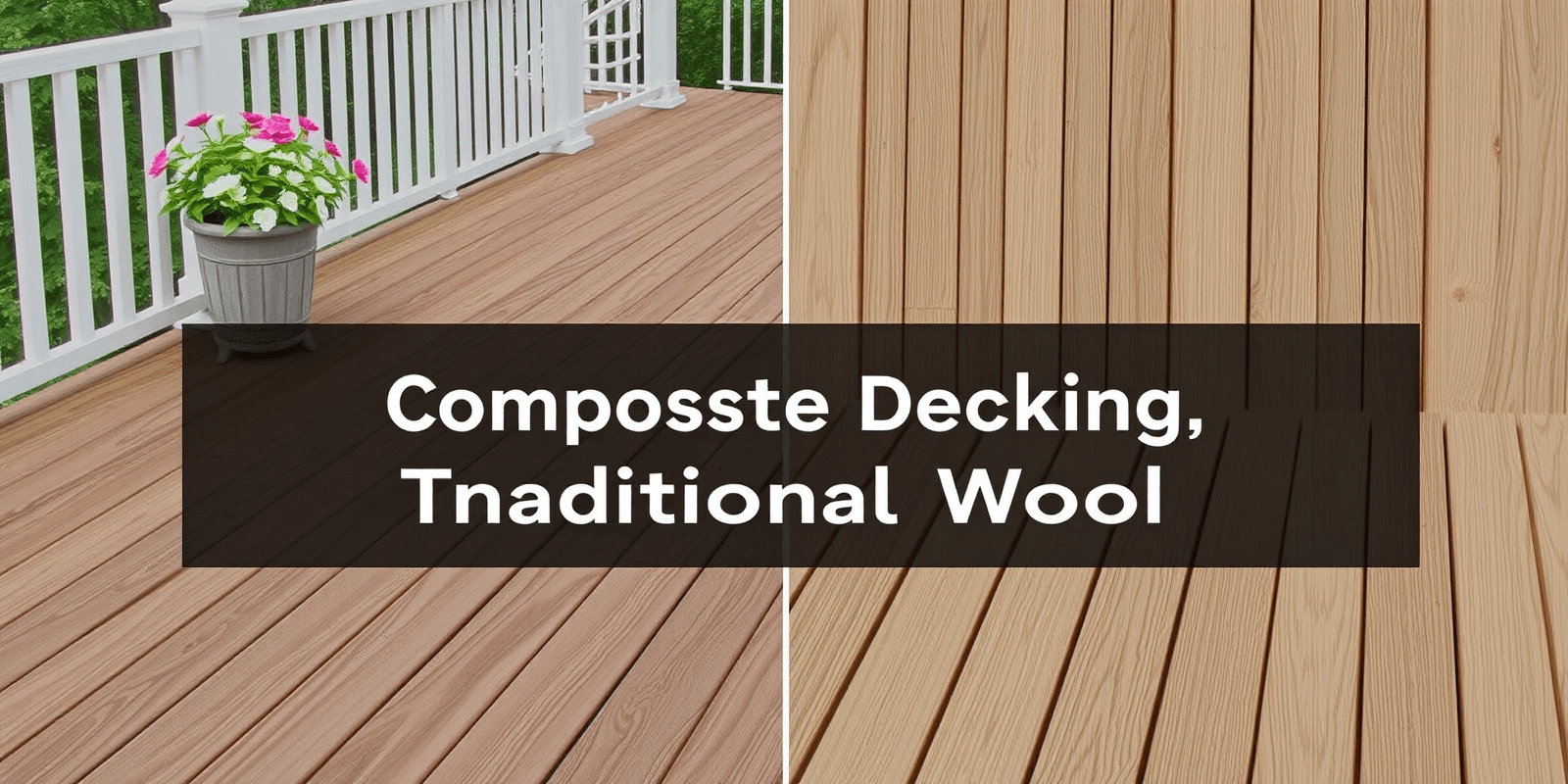
While traditional wood fascia offers a natural aesthetic appeal, it falls short in terms of longevity and maintenance requirements. The susceptibility of wood to moisture, insects, and UV damage necessitates frequent treatments and replacements, which can be both costly and labor-intensive. In contrast, composite decking boards provide a more sustainable and hassle-free solution, offering superior performance and reduced environmental impact.
“`