
“`html
The Role of Designers in Choosing Composite Decking Styles
Introduction
In the realm of outdoor living spaces, composite decking has emerged as a popular choice for its durability, low maintenance, and eco-friendliness. However, the selection of the right composite decking style is not merely a matter of practicality but also a significant design decision. Professional designers play a crucial role in this process, leveraging their expertise to create aesthetically pleasing and functional decks that meet clients’ needs and enhance property value.
Professional Expertise in Deck Selection
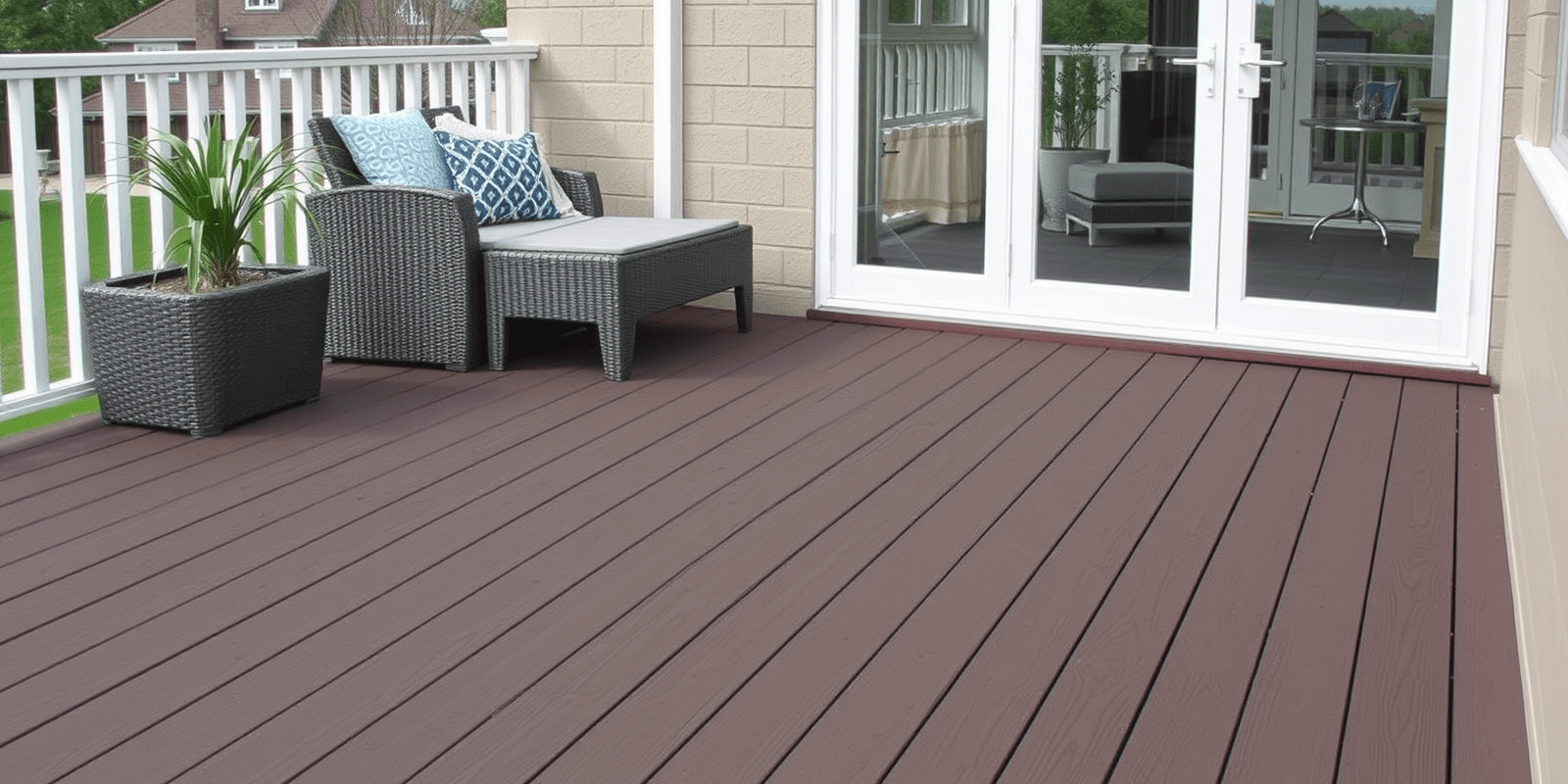
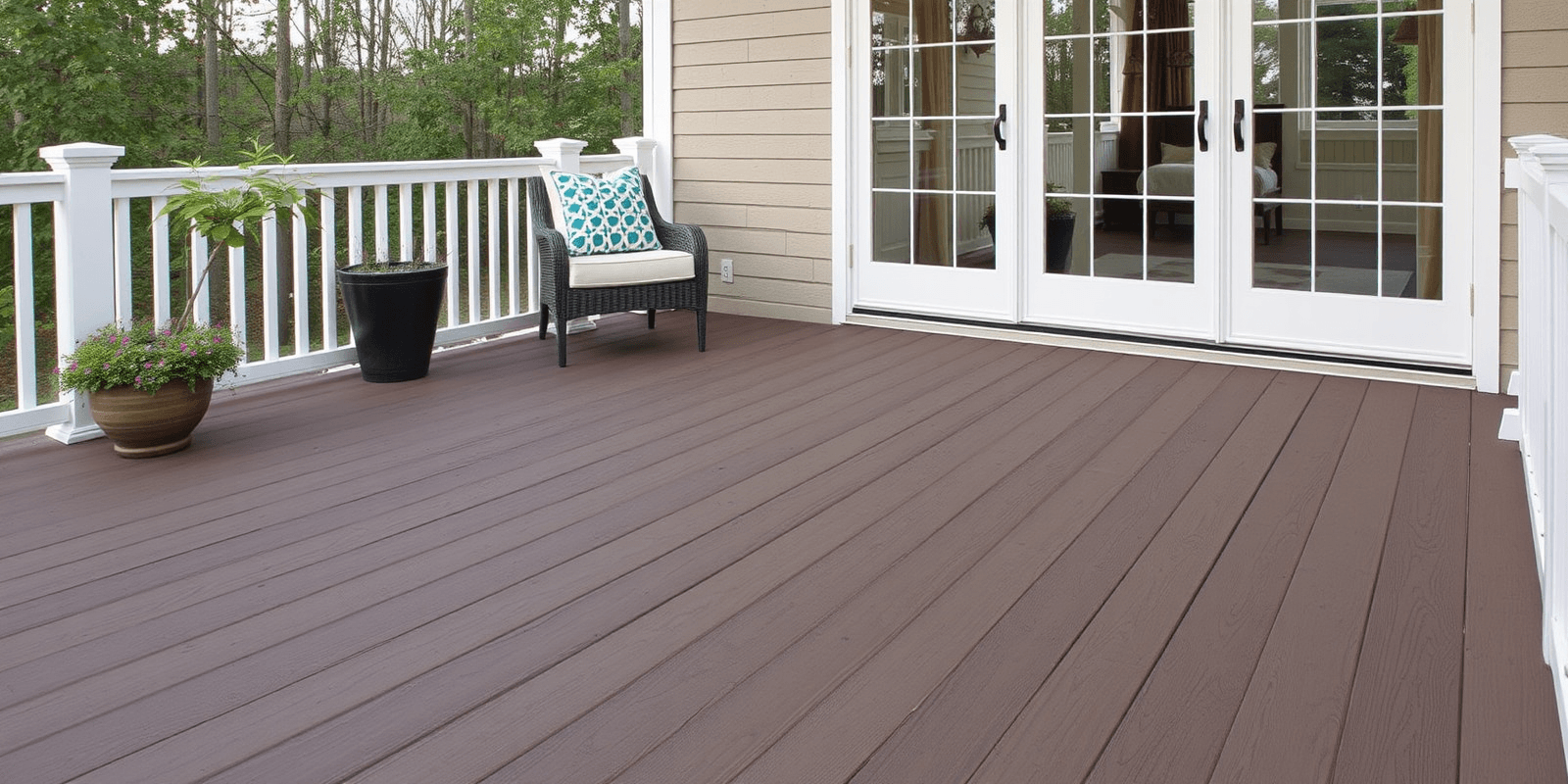
Designers bring a wealth of knowledge about materials, trends, and best practices to the table. They understand the nuances of different composite decking options, including color variations, textures, and finishes. For instance, Trex Transcend or TimberTech AZEK offer a range of colors and textures that can mimic natural wood while providing superior performance. This expertise allows them to recommend materials that not only look great but also stand up to environmental conditions and daily wear and tear.
Client Interaction and Needs Assessment
Effective communication with clients is paramount. Designers must engage in thorough discussions to understand the client’s vision, budget, and lifestyle. This includes considering factors like the deck’s intended use (e.g., casual lounging, dining, or hosting events) and the surrounding landscape. For example, a designer might suggest a darker composite material for a coastal setting to reduce visibility of salt stains, or opt for lighter shades for a more traditional, wood-like appearance in suburban settings.
Influence on Aesthetic and Functionality
The choice of composite decking style significantly impacts both the aesthetic appeal and functionality of the deck. A well-designed composite deck can serve as an extension of indoor living spaces, enhancing the overall curb appeal and increasing property value. For instance, incorporating multi-tone composite decking can create visual interest and depth, making the deck appear more luxurious and inviting. Additionally, designers often integrate features like built-in seating, lighting, and planters, which require careful consideration of the chosen composite material to ensure durability and ease of maintenance.
Conclusion
Professional designers are instrumental in selecting composite decking styles that align with both aesthetic preferences and functional requirements. Their deep understanding of materials, coupled with effective client interaction, ensures that the final product not only meets but exceeds expectations. As homeowners increasingly seek durable and sustainable outdoor solutions, the role of designers in choosing composite decking styles becomes even more critical.
“`