

“`html
The Pitfalls of Composite Decking: What You Need to Know
Introduction
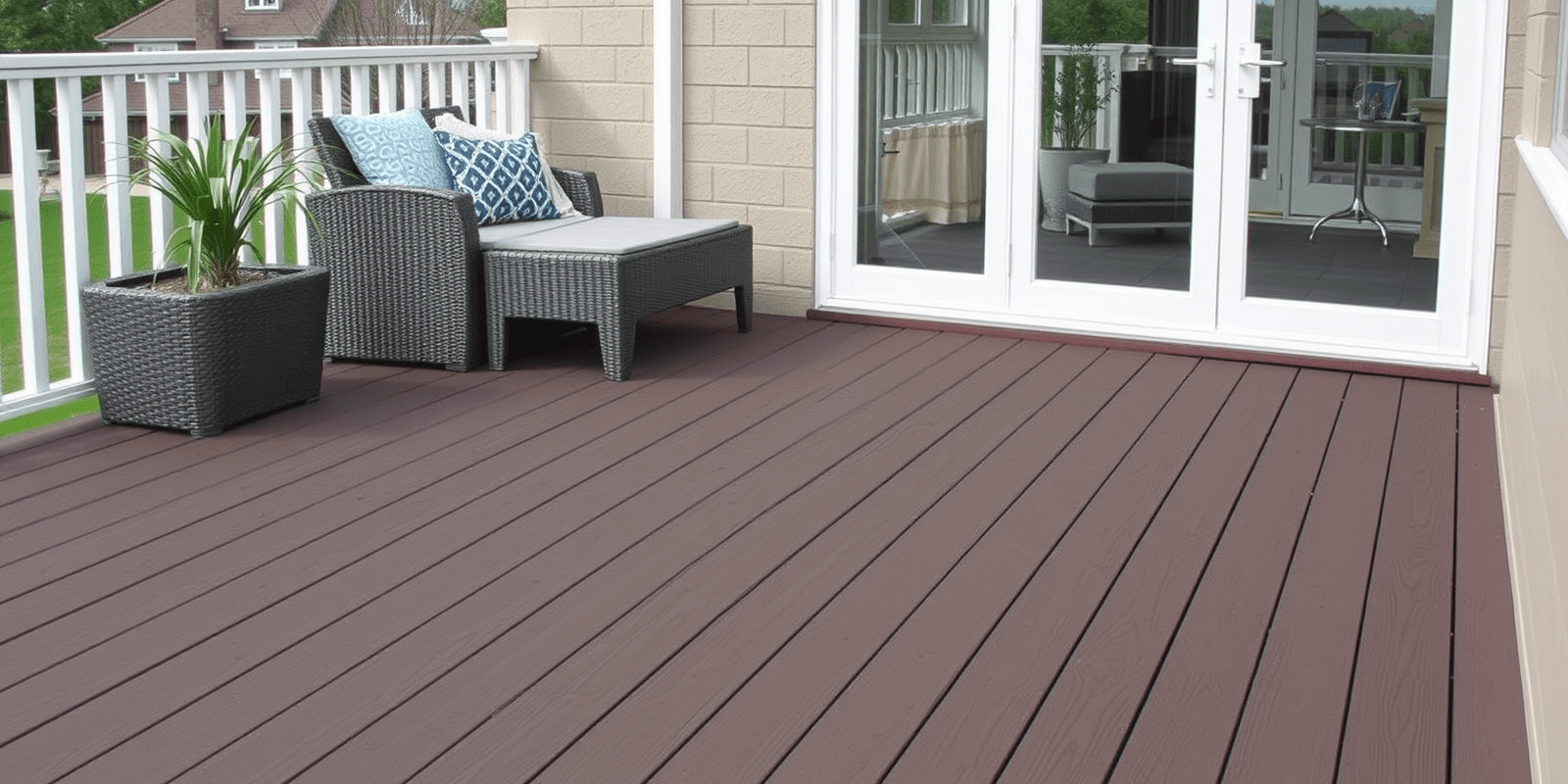
Composite decking has become a popular alternative to traditional wood decking due to its durability and low maintenance requirements. However, like any material, it comes with its own set of challenges that homeowners should be aware of before making a decision. This article delves into the weaknesses of composite decking, including its environmental impact, higher initial costs, performance in extreme weather, and maintenance needs compared to other decking materials.
Environmental Impact
One of the significant drawbacks of composite decking is its environmental footprint. While composite materials are often marketed as eco-friendly alternatives, they typically consist of a mix of plastic and wood fibers, which can be derived from recycled sources but also require significant energy for manufacturing. Moreover, the lifespan of composite decking can be shorter than expected, leading to frequent replacements and additional waste. [1]
Higher Initial Costs
Composite decking generally comes with a higher initial cost compared to traditional wood options. Although it promises reduced maintenance over time, the upfront investment can be a deterrent for many homeowners. This financial burden must be weighed against the long-term savings on maintenance and replacement costs. Understanding the total cost of ownership is crucial when considering composite decking. [2]
Performance in Extreme Weather Conditions
Composite decking can struggle under extreme weather conditions. In colder climates, it may crack or splinter due to freezing temperatures, while in hotter climates, it can expand and contract, potentially causing warping or buckling. Additionally, exposure to prolonged sunlight can lead to fading and discoloration, reducing its aesthetic appeal over time. Homeowners need to consider their local climate when choosing the right decking material. [3]
Maintenance Requirements
Despite claims of low maintenance, composite decking still requires regular upkeep to maintain its appearance. Cleaning with mild soap and water, and occasional resealing, are necessary to prevent staining and fading. However, unlike wood, composite decking does not require painting or staining, which can be a significant advantage. Comparatively, wood decks may offer more flexibility in terms of appearance customization but require more frequent maintenance. [4]
Comparison with Other Decking Materials
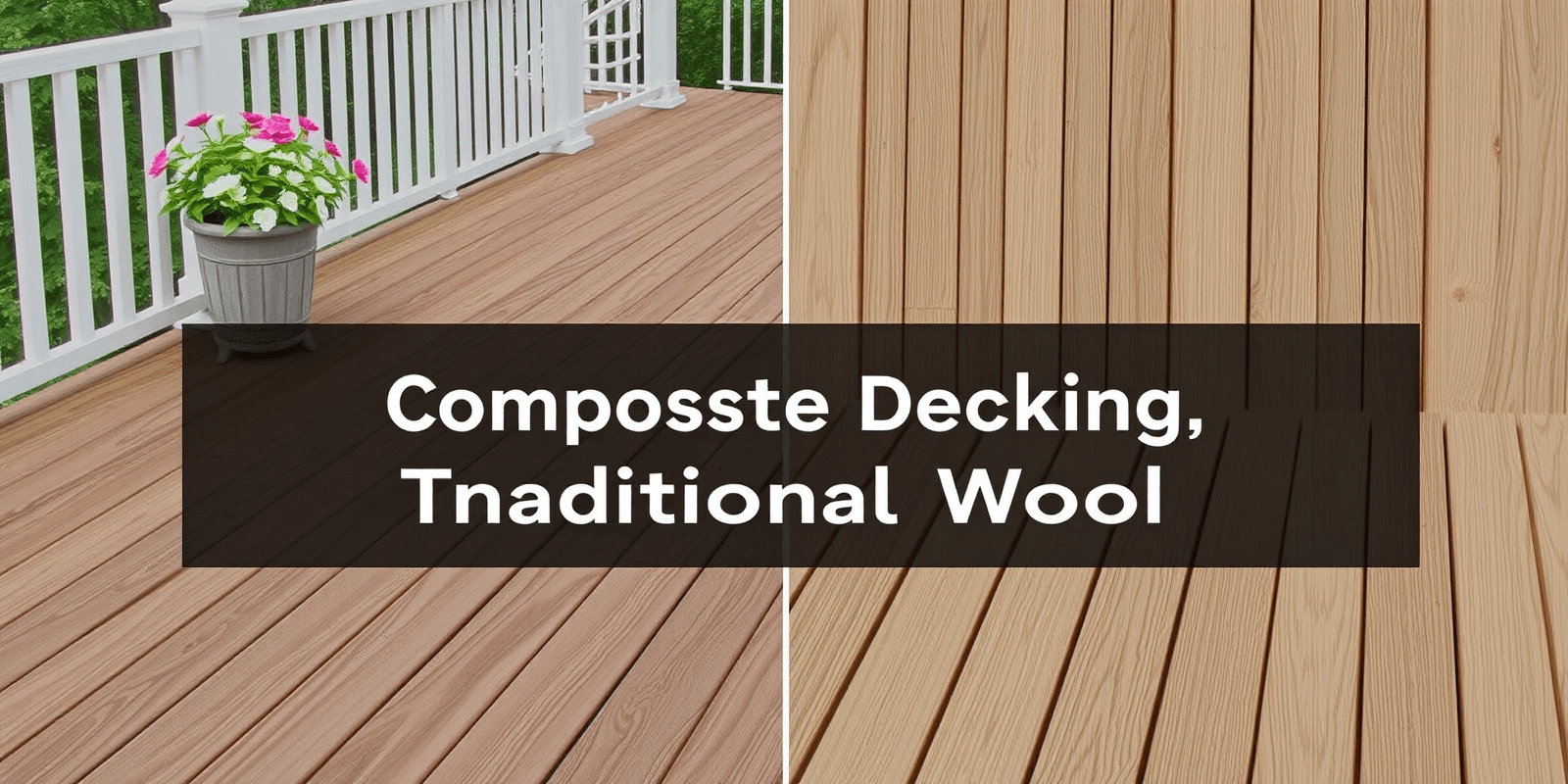
When comparing composite decking to other materials like pressure-treated wood or natural wood, it’s essential to weigh the pros and cons. Pressure-treated wood is cheaper and easier to work with but requires more maintenance. Natural wood offers a natural look and can be customized but demands regular treatment to prevent rot and decay. Composite decking strikes a balance between durability and aesthetics, though its higher cost and specific maintenance requirements should be considered. [5]
“`