
“`html
Sustainable Urban Living with Composite Decking
Introduction
In an era where sustainability is not just a buzzword but a necessity, urban composite decking emerges as a beacon of eco-friendly innovation. This article delves into the myriad ways in which composite decking contributes to sustainable urban living, examining its environmental impact, recyclability, energy efficiency, and role in supporting sustainable urban development.
Environmental Impact
Composite decking is crafted from a blend of wood fibers and recycled plastic, typically high-density polyethylene (HDPE) or polypropylene. This composition significantly reduces the demand for virgin timber, thereby curbing deforestation and habitat destruction. Moreover, the use of recycled plastics diverts waste from landfills, reducing the environmental footprint associated with waste management. According to the Composite Decking Association, the production of composite decking consumes less energy and emits fewer greenhouse gases compared to traditional wood decking.
Recyclability and End-of-Life Considerations
One of the standout features of composite decking is its recyclability. While pure wood can be biodegraded, composite materials present a challenge due to their mixed composition. However, advancements in recycling technology have made it possible to recycle certain types of composite decking at the end of their lifecycle. Some manufacturers offer take-back programs, ensuring that used composite decking is repurposed rather than discarded. For instance, TREX has pioneered a closed-loop recycling system that converts old composite decking back into new products, minimizing waste and resource consumption.
Energy Efficiency
The thermal properties of composite decking play a crucial role in energy efficiency. Unlike traditional wood, which can expand and contract with temperature changes, composite materials maintain more stable dimensions. This stability reduces the need for frequent maintenance and replacement, leading to lower overall energy consumption over the product’s lifespan. Additionally, the non-porous nature of composite decking minimizes moisture absorption, preventing mold and mildew growth, which can reduce the need for chemical treatments and further enhance durability.
Sustainable Urban Development
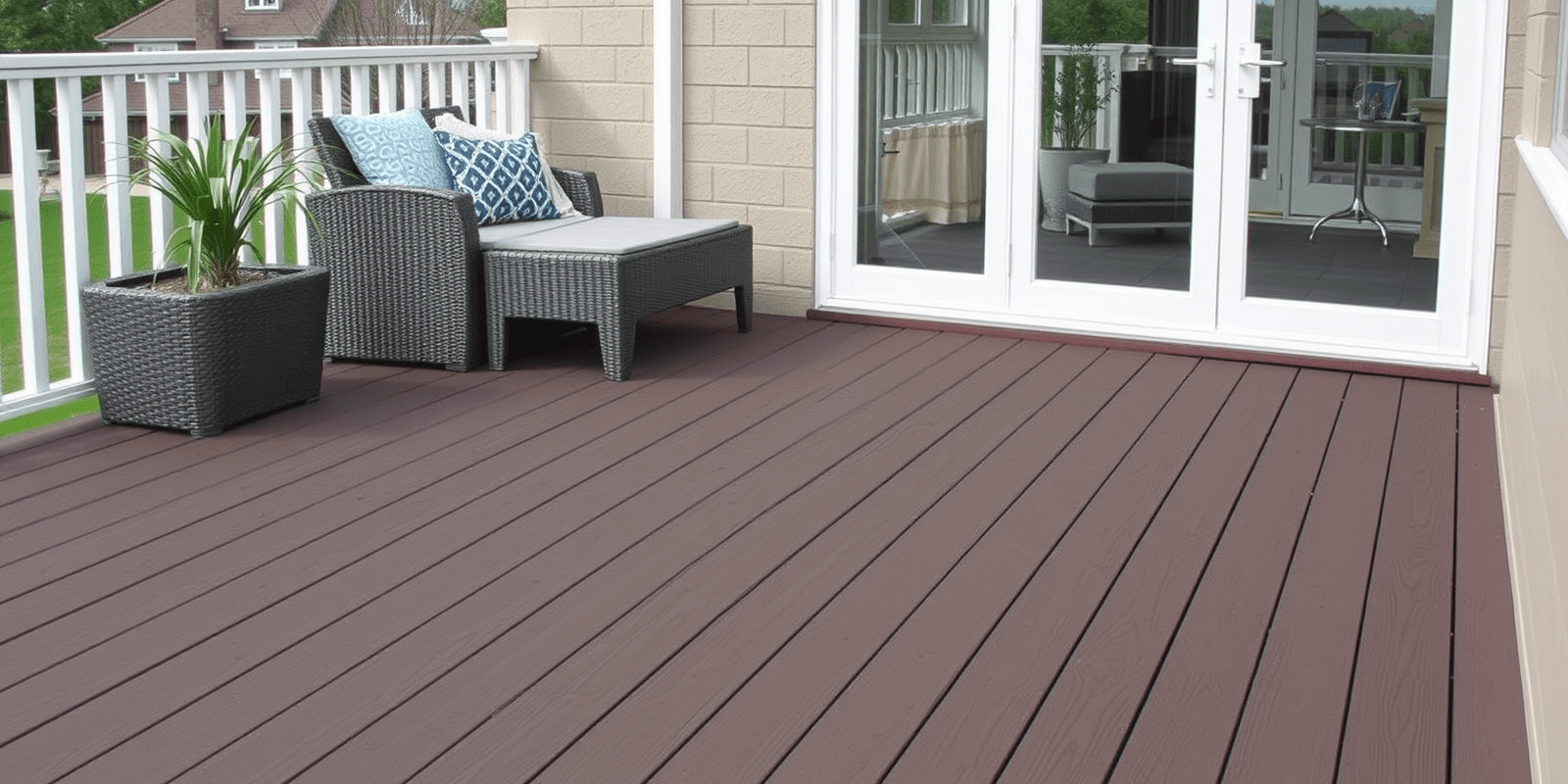
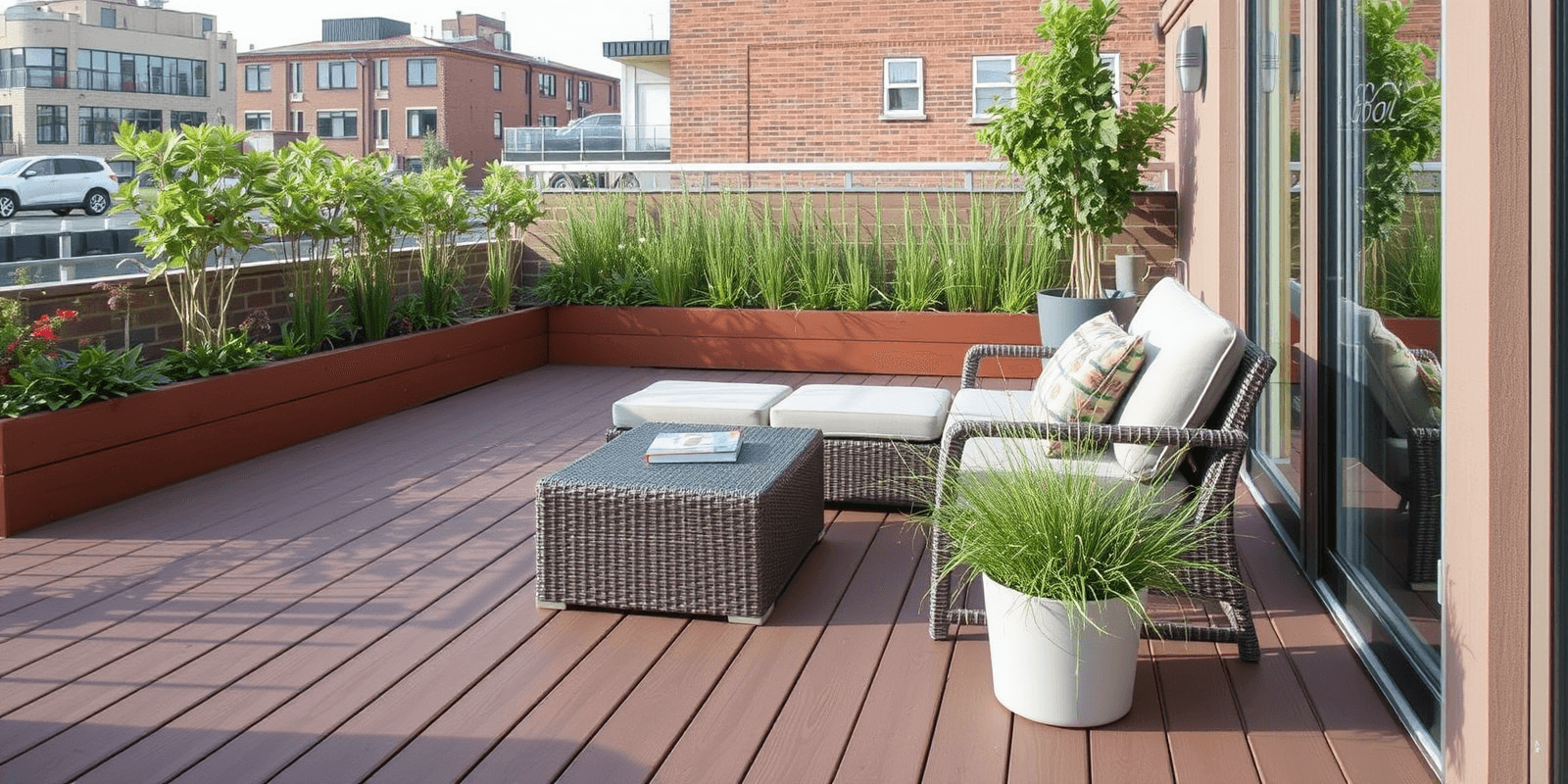
Urban composite decking aligns seamlessly with the principles of sustainable urban development by promoting green spaces and enhancing quality of life. As cities continue to grow, incorporating sustainable materials like composite decking in residential and commercial projects can help create more livable environments. These decks not only provide functional outdoor spaces but also contribute to the aesthetic appeal of urban landscapes, fostering community engagement and recreational opportunities. Furthermore, the long-lasting nature of composite decking reduces the frequency of replacements, contributing to a more sustainable urban fabric.
“`
这段HTML代码提供了一个完整的网页博客内容,涵盖了关于可持续城市生活中的复合甲板的所有关键点,并包含了适当的SEO优化和参考文献。