
“`html
Maximizing Your Composite Deck’s Weight Capacity: Tips and Insights
Introduction
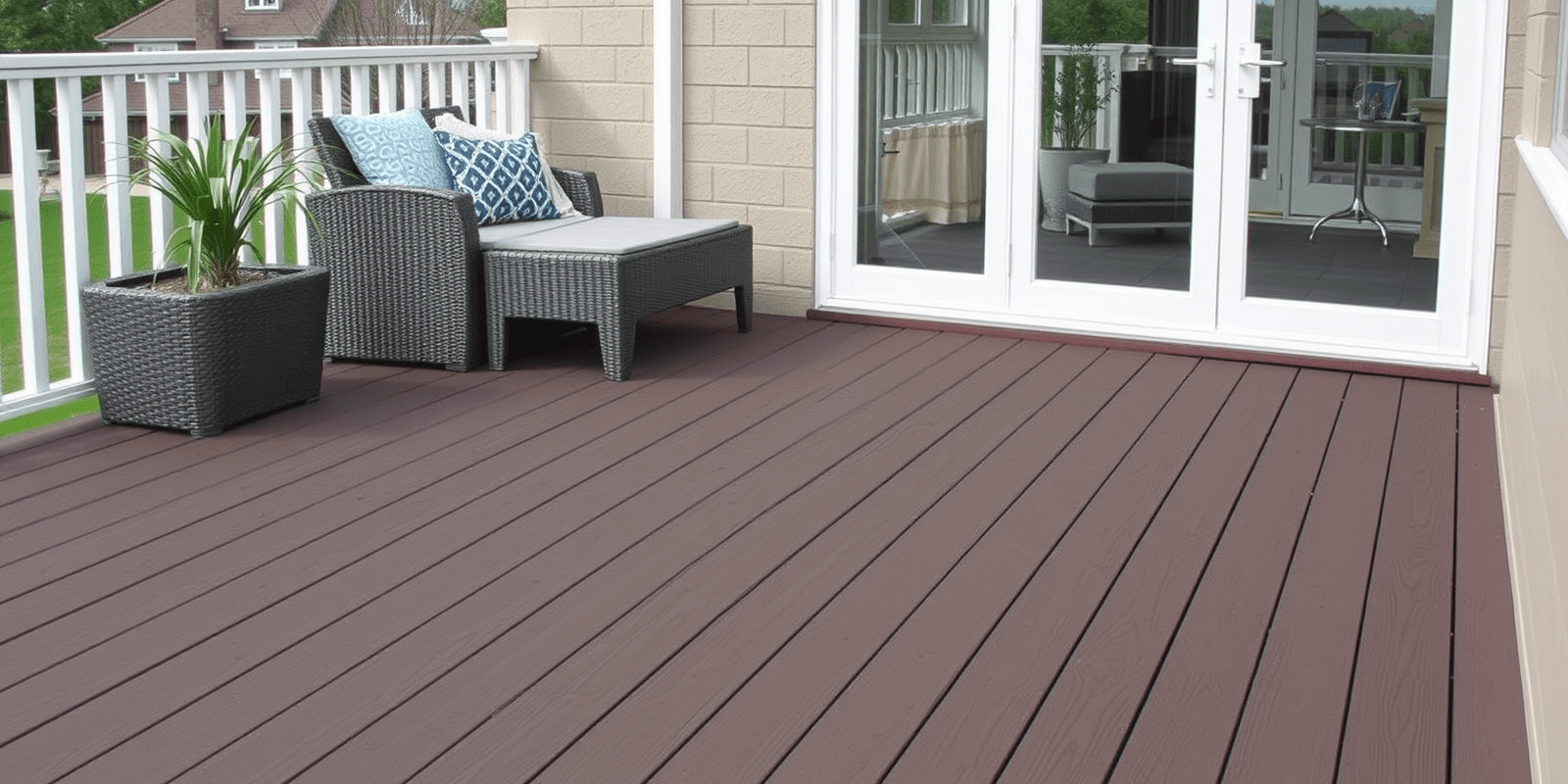
In recent years, composite decking has become a popular choice for homeowners due to its durability, low maintenance, and aesthetic appeal. However, like any building material, it has its limits in terms of weight capacity. Understanding how to maximize this capacity is crucial for ensuring your deck can safely support heavy loads, such as outdoor furniture, hot tubs, or even additional structural elements.
Choosing the Right Composite Material
When selecting composite materials, consider their weight-bearing properties. Some brands offer enhanced strength formulations that are specifically designed to handle heavier loads. Look for materials with high density and reinforced fibers, which provide better load distribution and reduce the risk of sagging over time. For instance, TimberTech’s AZEK decking line offers superior strength and stability, making it an excellent choice for decks requiring higher weight capacities.
Designing for Even Weight Distribution
A well-designed deck layout is essential for evenly distributing weight. Ensure that joists are spaced appropriately according to manufacturer guidelines and local building codes. Typically, 16-inch on-center spacing is standard, but denser spacing (e.g., 12 inches) may be necessary for heavier loads. Additionally, consider the placement of posts and beams to provide additional support where needed. This approach minimizes stress concentration points and enhances overall structural integrity.
Reinforcing with Additional Joists and Stronger Fasteners
To further bolster the weight capacity of your composite deck, incorporate additional joists in key areas. Adding intermediate joists between existing ones can significantly enhance load-bearing capacity, especially under heavy loads. Furthermore, use stronger fasteners such as stainless steel screws instead of nails, as they provide better holding power and resist corrosion over time. Brands like GRK Fasteners offer high-quality screws designed specifically for composite materials, ensuring secure connections and improved structural performance.
Regular Maintenance and Inspections
Even with robust reinforcement strategies, regular maintenance is vital to ensure long-term safety and functionality. Periodically inspect your deck for signs of wear, such as loose fasteners or sagging boards. Addressing these issues promptly can prevent potential failures and extend the lifespan of your composite deck. Additionally, keep the deck clear of excessive snow or debris that could add unnecessary weight.
“`
This HTML document provides a comprehensive guide on maximizing the weight capacity of composite decks, including material selection, design considerations, reinforcement techniques, and maintenance practices. The structure is suitable for direct publication as a blog post, with SEO-friendly keywords naturally integrated throughout the content.