
“`html
Enhancing Safety on Composite Decks: Anti-Slip Solutions
Introduction
In recent years, composite decking has gained immense popularity due to its durability, low maintenance, and aesthetic appeal. However, one significant concern is the slipperiness of these decks, especially when wet or icy. This article explores the latest anti-slip innovations designed specifically for composite decks, discussing their effectiveness, ease of application, maintenance requirements, and how they compare to traditional methods.
Understanding the Problem
The inherent smoothness of composite materials can lead to a slippery surface, particularly in wet conditions. Traditional solutions like sanding or applying paint can damage the deck’s finish and reduce its lifespan. Therefore, innovative anti-slip solutions have been developed to address this issue without compromising the deck’s integrity.
Latest Anti-Slip Innovations
Textured Surface Treatments
One effective approach is the use of textured surface treatments. These treatments create a rougher surface that increases friction and reduces the risk of slipping. Companies like Deckorators offer products such as DeckArmor, which provides a durable, slip-resistant coating that can be easily applied with minimal effort. This method is particularly beneficial because it does not alter the original color or texture of the deck significantly, maintaining its aesthetic appeal.
Non-Slip Tape and Mats
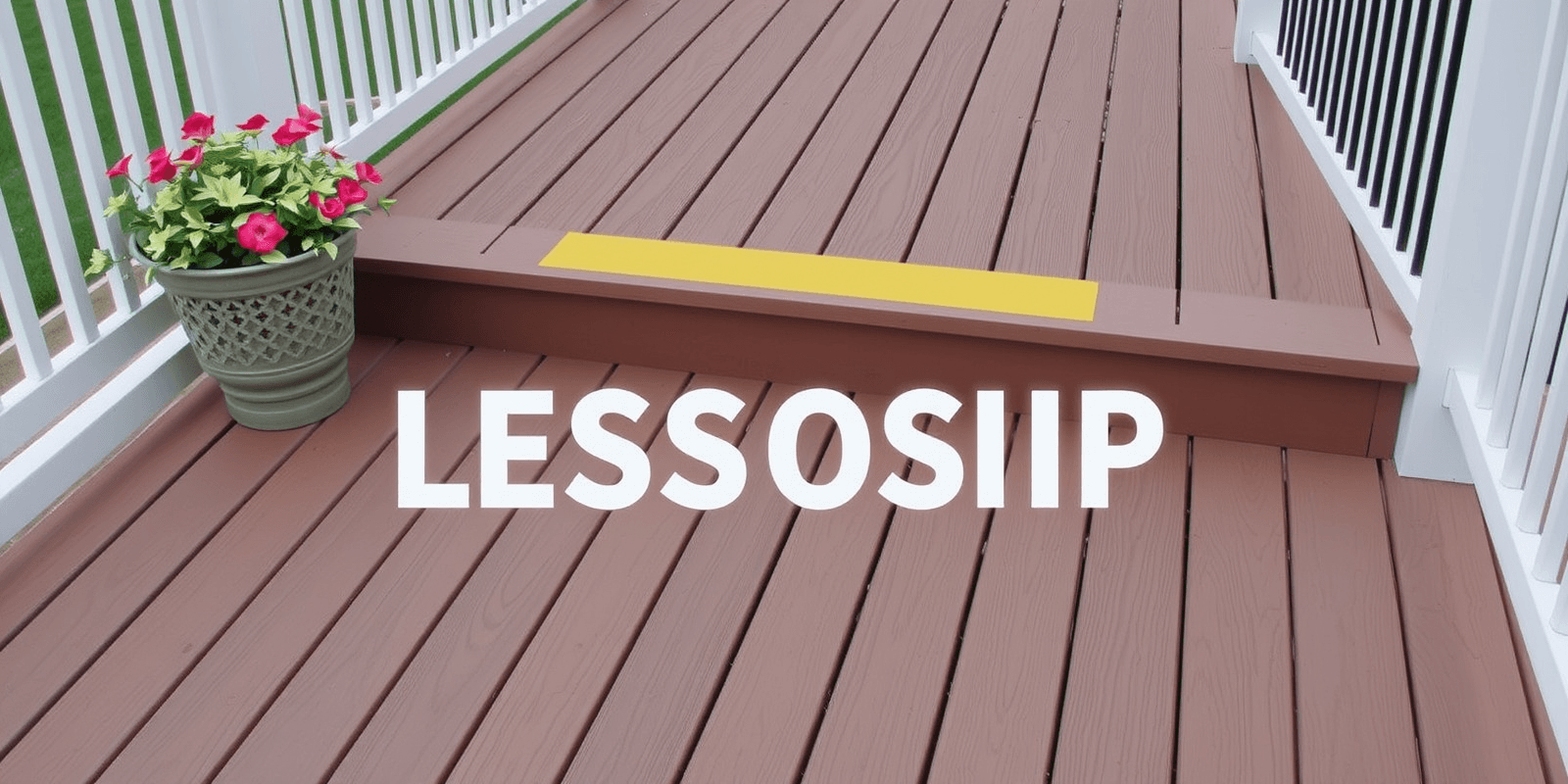
Another popular solution involves the use of non-slip tape and mats. These are easy to install and can be placed in high-traffic areas or near entry points. Products like No-Skid Decking provide a cost-effective way to enhance safety. They are simple to apply and can be removed if necessary, making them ideal for seasonal adjustments.
Chemical Treatments
Chemical treatments are also gaining traction as an anti-slip solution. These treatments modify the surface chemistry of the composite material to increase its friction coefficient. For instance, Slick Deck Solutions offers a treatment that can be sprayed onto the deck, creating a micro-textured surface that enhances grip. This method requires minimal labor and can be applied without damaging the deck’s surface.
Maintenance and Effectiveness
The effectiveness of these anti-slip solutions varies based on the specific product and the conditions of the deck. Textured surface treatments and chemical treatments generally require less maintenance compared to non-slip tapes and mats, which may need periodic replacement. However, all solutions offer significant improvements in safety and are easier to maintain than traditional methods like sanding or painting.
Comparison to Traditional Methods
Compared to traditional methods, modern anti-slip solutions are more efficient and less damaging to the composite deck. Sanding and painting can wear down the deck material and alter its appearance, whereas newer solutions focus on enhancing the existing surface without causing harm. Additionally, traditional methods often require more frequent reapplication, increasing both time and cost.
Conclusion
With the growing awareness of safety concerns associated with composite decks, it is crucial to explore innovative anti-slip solutions. The latest technologies in textured surface treatments, non-slip tapes, and chemical treatments offer effective, easy-to-apply options that significantly enhance deck safety. These solutions not only improve the user experience but also ensure longevity and maintain the aesthetic appeal of composite decks.
“`