

“`html
DIY Composite Deck Installation: Watch Our Video Tutorial
Introduction
Welcome to our comprehensive guide on how to install a composite deck. Whether you’re a seasoned DIY enthusiast or a first-time builder, this tutorial will help you navigate through the process with ease. Composite decking has become increasingly popular due to its durability, low maintenance, and aesthetic appeal. In this article, we’ll explore some common challenges faced during the installation process and how to overcome them. Let’s dive in!
Common Challenges and Solutions
Challenge 1: Ensuring Proper Drainage
One of the most common issues with deck installations is improper drainage. This can lead to water accumulation, which can damage your deck over time. To ensure proper drainage, it’s crucial to slope your deck slightly away from the house, at least a quarter-inch per foot. This helps water flow off the deck and prevents standing water.
Challenge 2: Dealing with Weather Conditions
Weather conditions can significantly impact the installation process. High humidity can cause composite materials to expand, while cold temperatures can make cutting and drilling more difficult. To mitigate these effects, schedule your project for a day with moderate weather conditions, and consider working earlier in the day when temperatures are cooler. Using proper tools like saws designed for composite materials can also help manage expansion issues.
Challenge 3: Securing the Deck to the House
Securing the deck to the house is critical for stability and safety. However, attaching a composite deck directly to a home can be tricky due to the composite material’s properties. Instead, use joist hangers or brackets that allow for slight movement without compromising the integrity of the deck. This method ensures that any thermal expansion or contraction does not affect the structural integrity of your deck.
The Benefits of Using Composite Materials
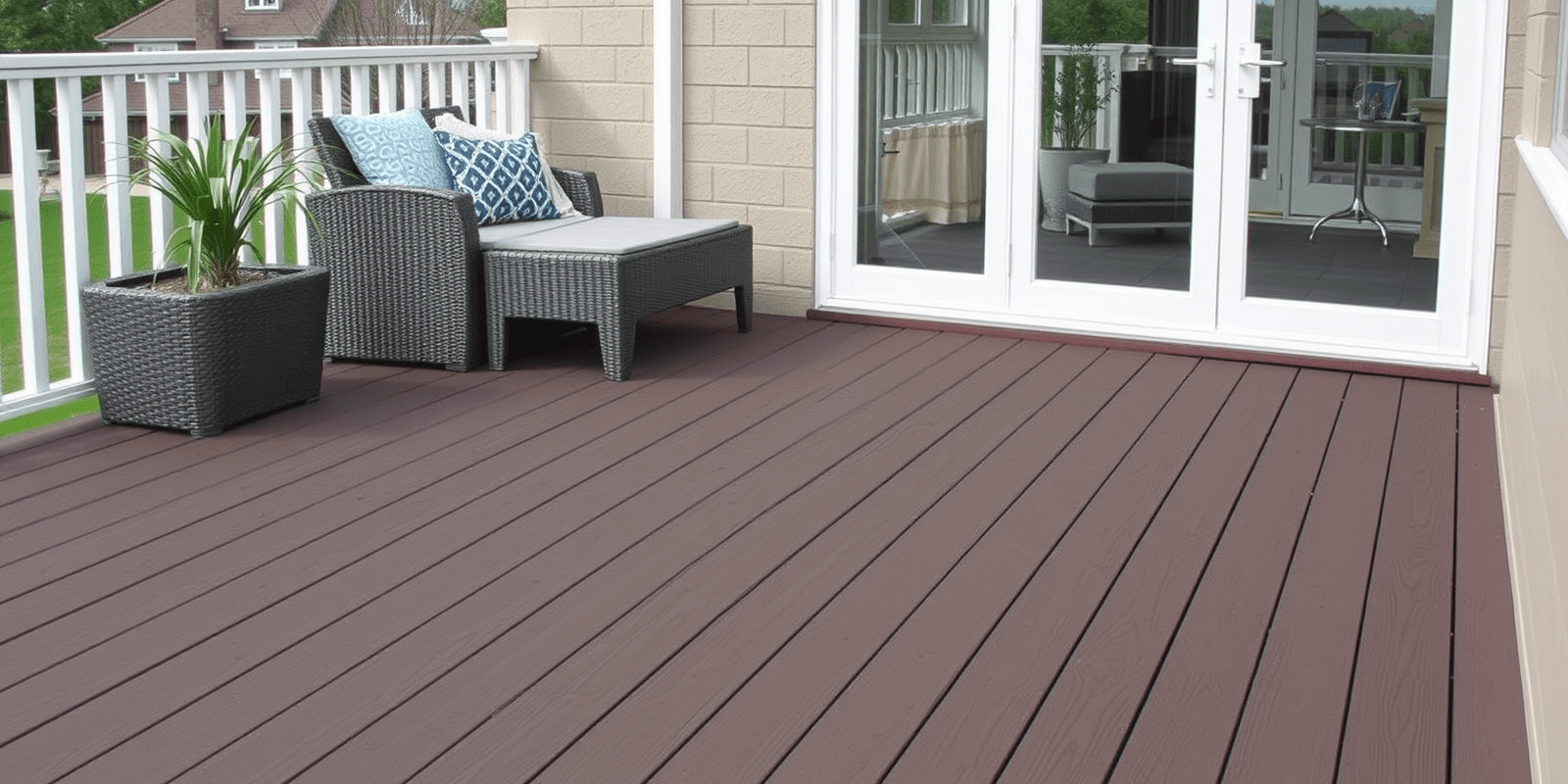
Composite decking offers numerous advantages over traditional wood decks. It is highly resistant to rot, insects, and moisture, making it a long-lasting option. Additionally, composite materials require minimal maintenance, unlike wood, which needs regular sealing and painting. The aesthetic appeal of composite decking is another benefit, as it comes in various colors and textures, allowing for customization to match your home’s exterior.
Materials and Tools Checklist
- Composite Decking Boards: Choose high-quality boards suitable for your climate.
- Joists: Use pressure-treated lumber for the frame.
- Fasteners: Select screws specifically designed for composite materials.
- Decking Joist Hangers: For securing the deck to the house.
- Saw: A circular saw or miter saw designed for cutting composite materials.
- Drill: With bits suitable for composite materials.
- Level: To ensure everything is straight and even.
- Measuring Tape: For precise measurements.
Conclusion
Installing a composite deck can be a rewarding DIY project that enhances your outdoor living space. By understanding and addressing common challenges, you can ensure a successful installation. Remember to follow best practices, use quality materials, and refer to our video tutorial for step-by-step guidance. Happy building!
“`
这段HTML代码提供了一个完整的网页博客内容,包含了引言、主体和结尾,并且按照要求使用了不同的标题格式(如`