
“`html
Designing with UPVC Composite Decking: Trends and Tips
Introduction
In recent years, UPVC (Unplasticized Polyvinyl Chloride) composite decking has emerged as a popular choice for outdoor living spaces due to its durability, low maintenance, and aesthetic appeal. This blog post will explore current trends in UPVC composite decking design, offering insights on selecting the right color, texture, and layout to complement various architectural styles. We’ll also discuss innovative installation techniques and their benefits.
Trends in UPVC Composite Decking Design
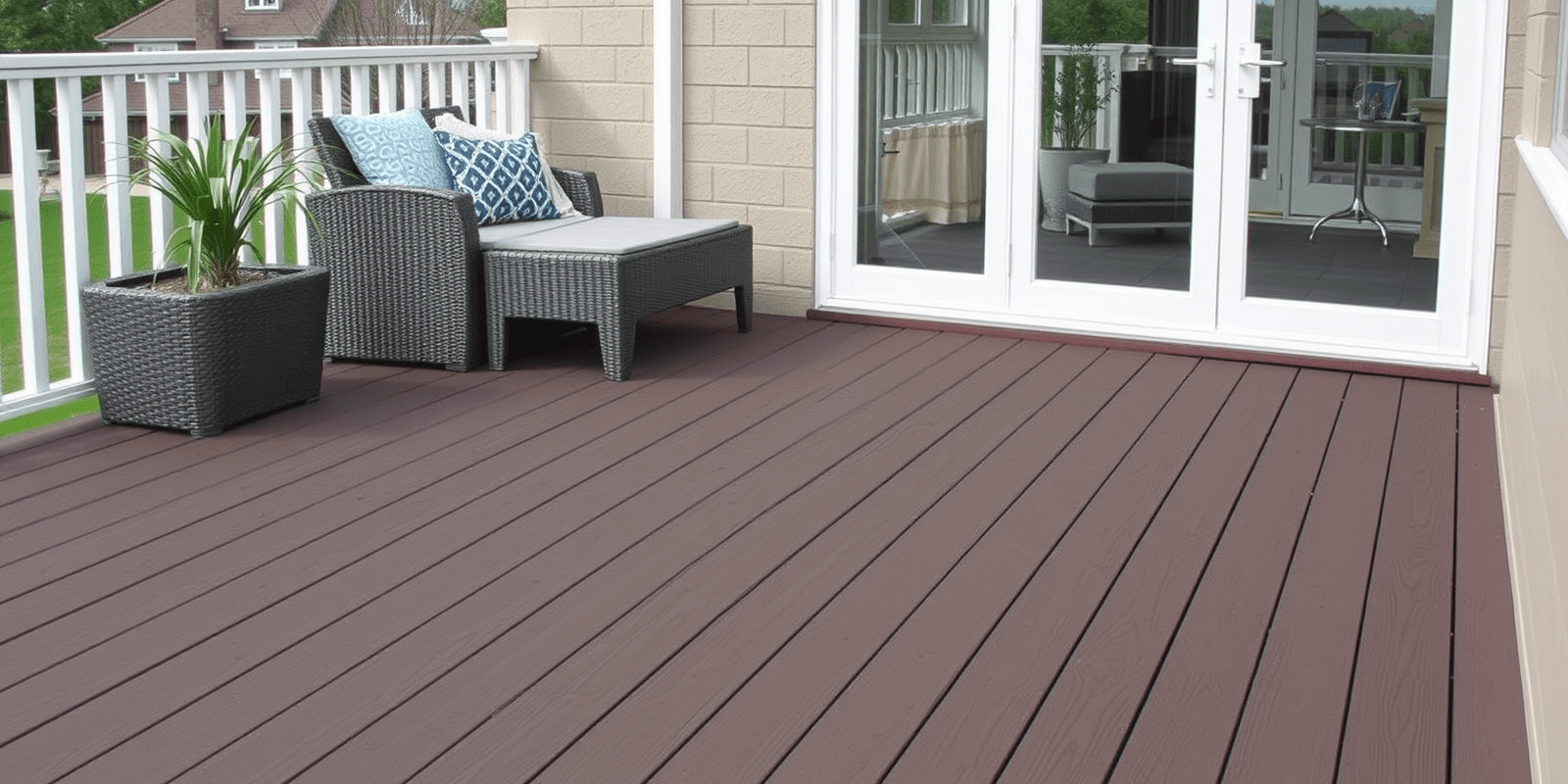
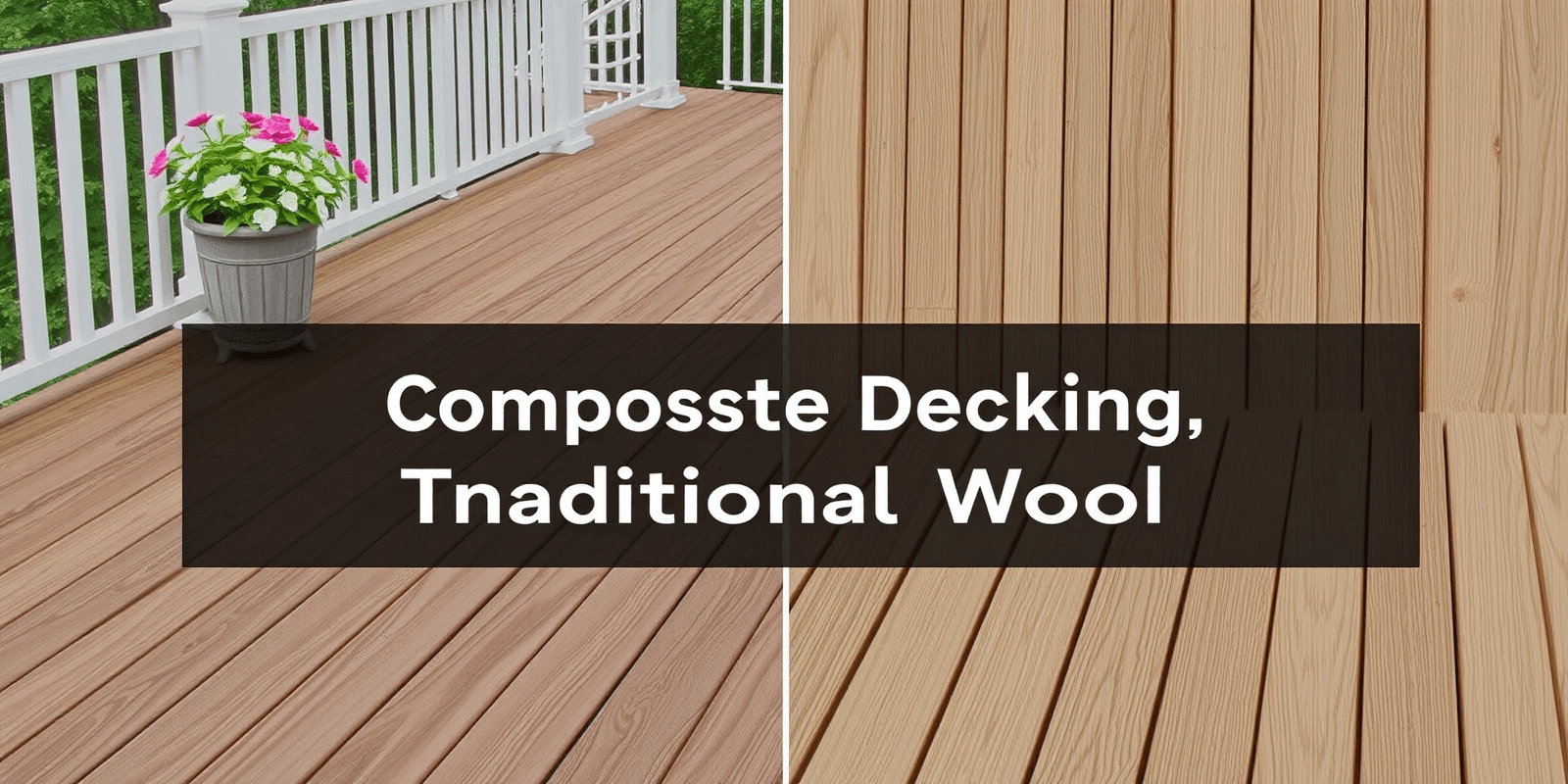
UPVC composite decking is evolving rapidly, with new trends emerging every year. One of the most notable trends is the shift towards more natural-looking materials. Manufacturers are now producing composite decking boards that mimic the appearance of traditional wood, complete with subtle grain patterns and variations in color. This trend is driven by homeowners who desire the beauty of wood without the associated maintenance requirements.
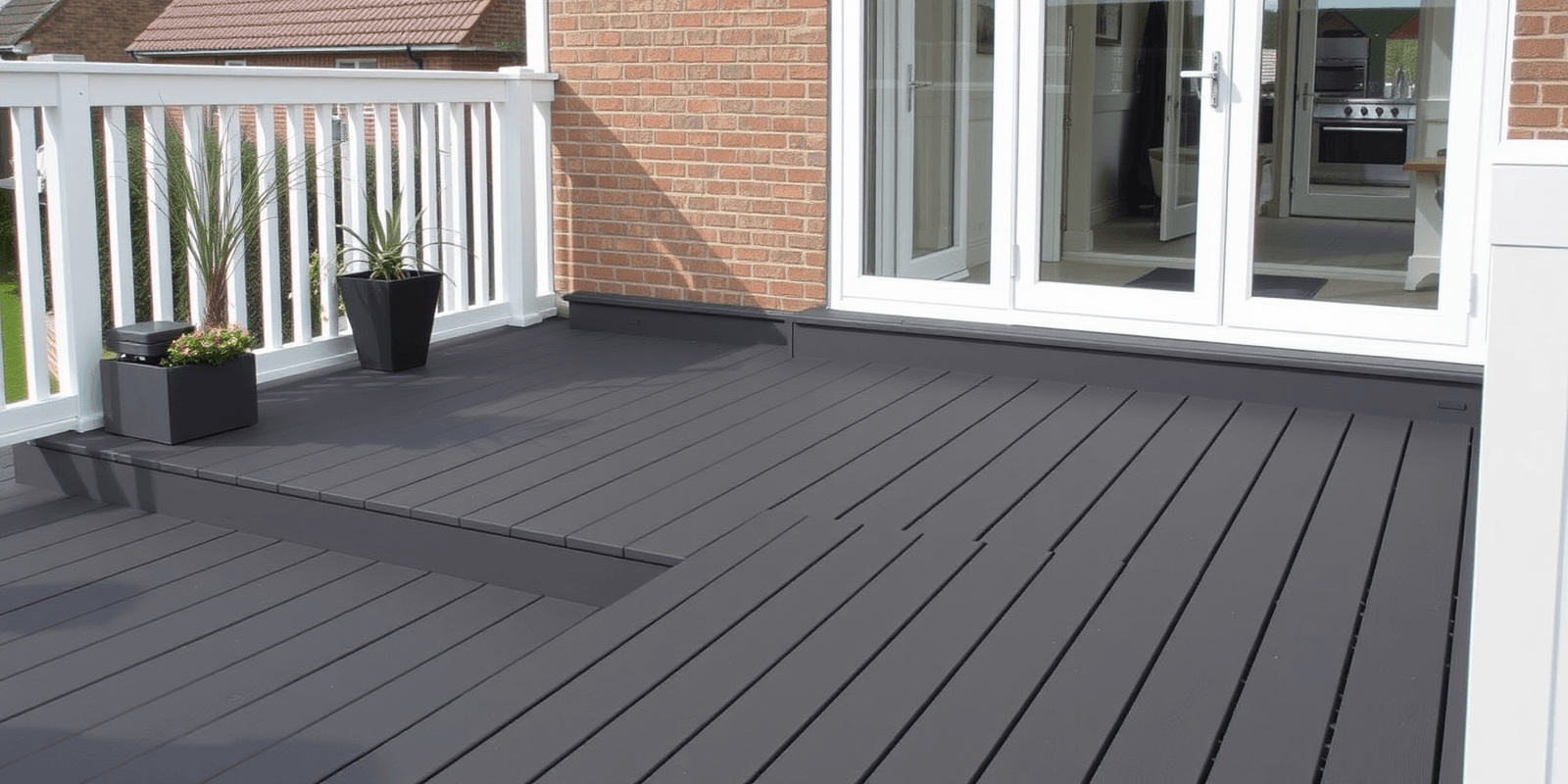
Another trend is the use of bold colors. While neutral tones like gray and brown remain popular, there is a growing interest in vibrant hues such as blue, green, and even red. These bold colors can add a unique touch to any backyard or patio, making it stand out and become a focal point of the property.
Choosing the Right Color, Texture, and Layout
When selecting UPVC composite decking, it’s essential to consider how the material will complement your home’s architectural style. For example, modern homes often benefit from sleek, minimalist designs, while traditional homes may look better with warmer, more organic textures.
Color: Lighter shades can make small spaces appear larger and brighter, while darker shades can create a cozy, intimate atmosphere. It’s important to balance the color with the surrounding landscape and other outdoor elements.
Texture: The texture of UPVC composite decking can vary widely, from smooth to highly embossed surfaces. Smooth finishes are easier to clean but may show more footprints and scratches. Embossed surfaces can provide a more natural wood-like appearance and hide minor imperfections.
Layout: The way you arrange your deck boards can significantly impact the overall look. Parallel layouts are the most common and provide a clean, uniform appearance. Diagonal layouts can add visual interest and make smaller decks appear larger. Grid layouts are another option, creating a more structured and formal feel.
Innovative Installation Techniques
Advancements in technology have led to several innovative installation techniques for UPVC composite decking. One such technique is hidden fastening systems, which use clips or screws placed underneath the boards, resulting in a seamless appearance. This method not only enhances aesthetics but also reduces the risk of screws loosening over time.
Another innovative approach is the use of self-leveling underlayment systems. These systems ensure a perfectly flat surface, even on uneven ground, reducing the need for extensive leveling before installation. This not only saves time but also ensures a more professional-looking finished product.
Lastly, modular systems are gaining popularity. These pre-assembled sections can be easily installed, reducing labor costs and ensuring consistent quality across the entire deck.
Conclusion
UPVC composite decking offers a versatile and durable solution for enhancing outdoor living spaces. By staying informed about current trends and choosing the right color, texture, and layout, homeowners can create a beautiful and functional deck that complements their architectural style. Additionally, adopting innovative installation techniques can result in a longer-lasting, more aesthetically pleasing final product.
“`
这段HTML代码包含了完整的文章结构,从引言到主体部分详细探讨了UPVC复合甲板的设计趋势和技巧,并在结尾部分提供了参考文献。所有内容都以自然的语言呈现,适合直接作为博客内容发布。