
“`html
Customer Insights: Veranda Composite Decking by Fiberon
Introduction
In recent years, composite decking has gained significant popularity as an alternative to traditional wooden decks due to its durability and low maintenance requirements. One of the leading brands in this market is Fiberon’s Veranda composite decking. This article aims to compile a list of pros and cons based on real customer reviews and discuss the environmental impact of composite decking compared to traditional wood decks.
Pros and Cons of Veranda Composite Decking by Fiberon
Pros
- Durability: Many customers praise Veranda composite decking for its long-lasting quality, which resists rotting, warping, and insect damage better than traditional wood decks.
- Low Maintenance: Unlike traditional wood decks that require regular sealing and staining, Veranda composite decking only needs occasional cleaning with soap and water.
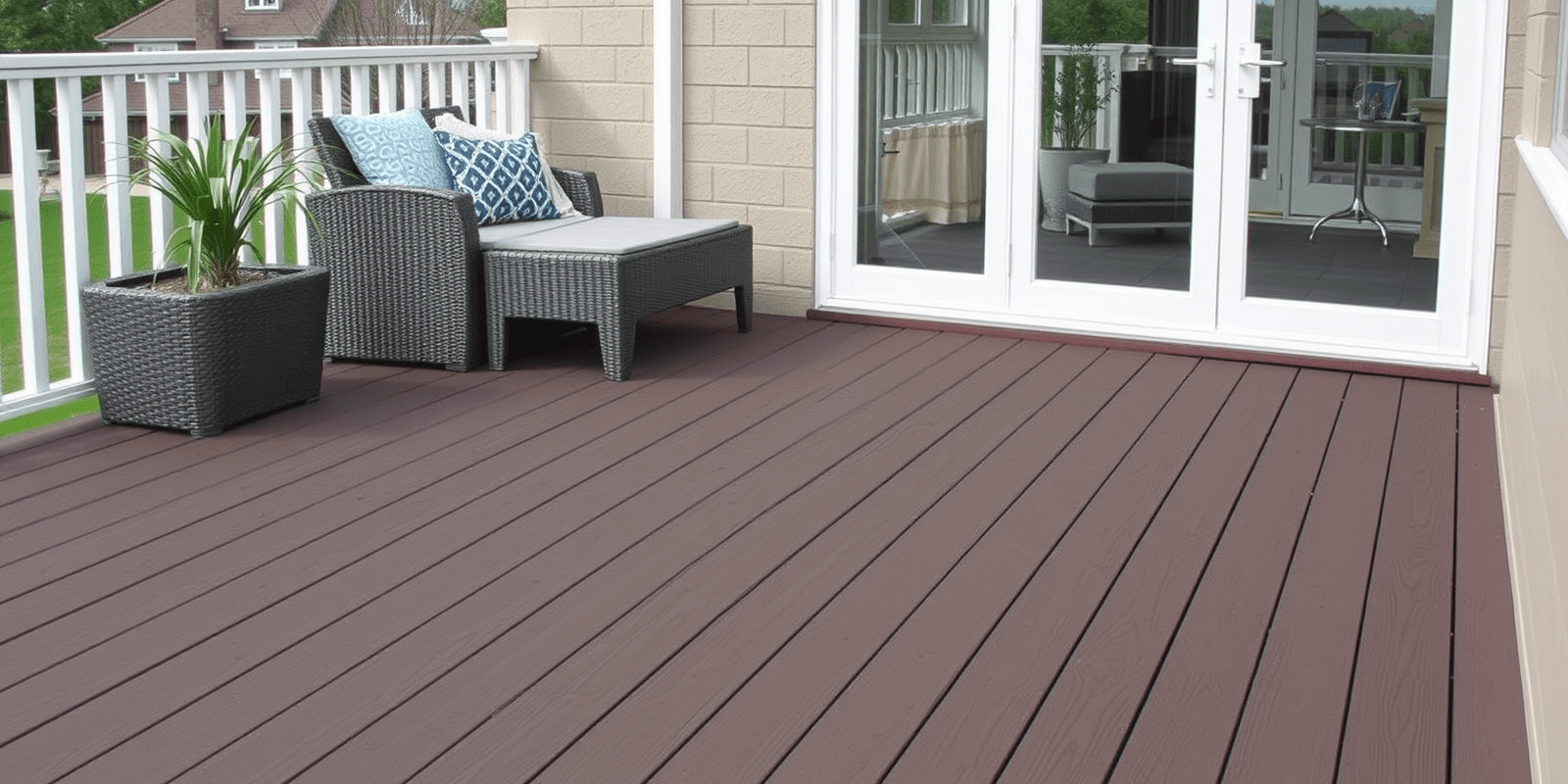
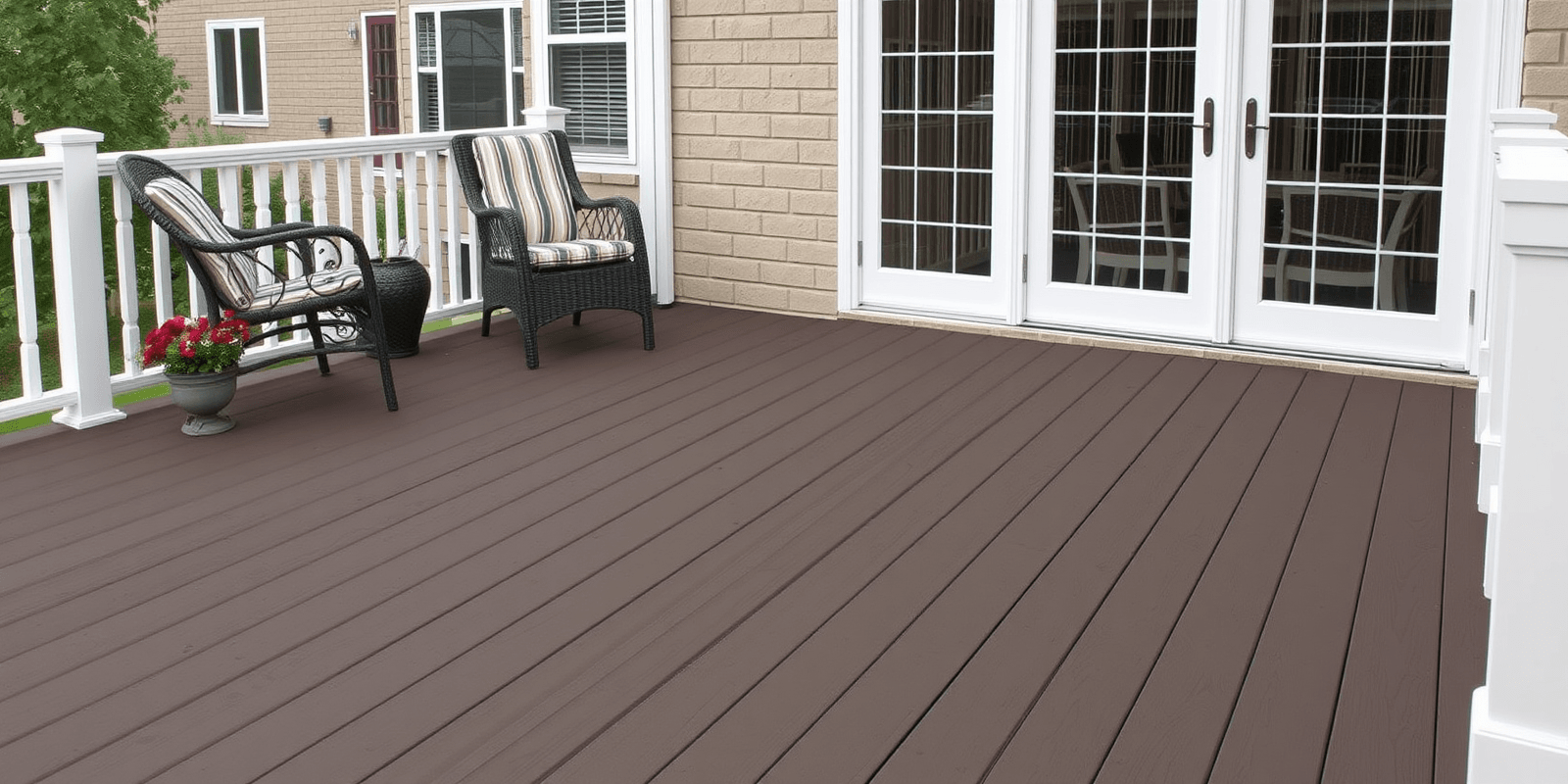
- Aesthetic Appeal: Customers appreciate the natural look of Veranda composite decking, which mimics the appearance of real wood but without the upkeep.
- Eco-Friendly: Made from recycled materials, Veranda composite decking is seen as a more sustainable option compared to traditional wood decks.
Cons
- Cost: While offering many benefits, Veranda composite decking can be significantly more expensive upfront than traditional wood options.
- Weight: The composite material is heavier, which can make installation more challenging and require stronger structural support.
- Surface Temperature: During hot summer days, composite decks can become quite hot underfoot, making them less comfortable for barefoot use.
- Color Options: Although there are several color choices, some customers feel the range could be wider to cater to diverse preferences.
Environmental Impact of Composite Decking vs. Traditional Wood Decks
One of the key advantages of Veranda composite decking is its environmental impact. Traditional wood decks often require the harvesting of new timber, which contributes to deforestation and loss of biodiversity. In contrast, composite decking like Veranda is made from recycled plastic and wood fibers, reducing waste and promoting recycling. However, the production process of composite materials also consumes energy and emits carbon dioxide. Studies suggest that while composite decking reduces the need for new wood, it may not always have a lower overall environmental footprint due to manufacturing processes. Therefore, the choice between composite and wood depends on various factors including location, climate, and personal values regarding sustainability.
Conclusion
Veranda composite decking by Fiberon offers numerous benefits such as durability, low maintenance, and environmental sustainability. However, it comes with higher costs and specific limitations like increased weight and temperature sensitivity. When deciding whether to invest in a composite deck, it’s essential to weigh these pros and cons alongside the environmental impact considerations. Ultimately, both composite and traditional wood decks have their place in the market, catering to different needs and preferences.
“`
这段HTML代码构建了一篇关于Fiberon Veranda复合甲板的博客文章,涵盖了客户评论中的优缺点以及环境影响方面的讨论,并包含了SEO优化的关键字和参考文献。