
“`html
Choosing the Best Composite Decking Product: A Buyer’s Guide
Introduction
Composite decking has become a popular choice for homeowners looking to enhance their outdoor living spaces while minimizing maintenance. When choosing the best composite decking product, several factors come into play, including environmental impact, aesthetics, durability, and cost. This guide will help you navigate these considerations and identify the ideal composite material for your project.
Environmental Impact
One of the primary concerns when selecting composite decking is its environmental footprint. Look for products that use recycled materials or are sustainably sourced. Brands like Trex and Fiberon offer options made from recycled plastic and wood fibers, reducing waste and conserving natural resources. Additionally, consider the product’s lifecycle assessment (LCA), which evaluates the environmental impacts throughout its entire life cycle.
Aesthetics
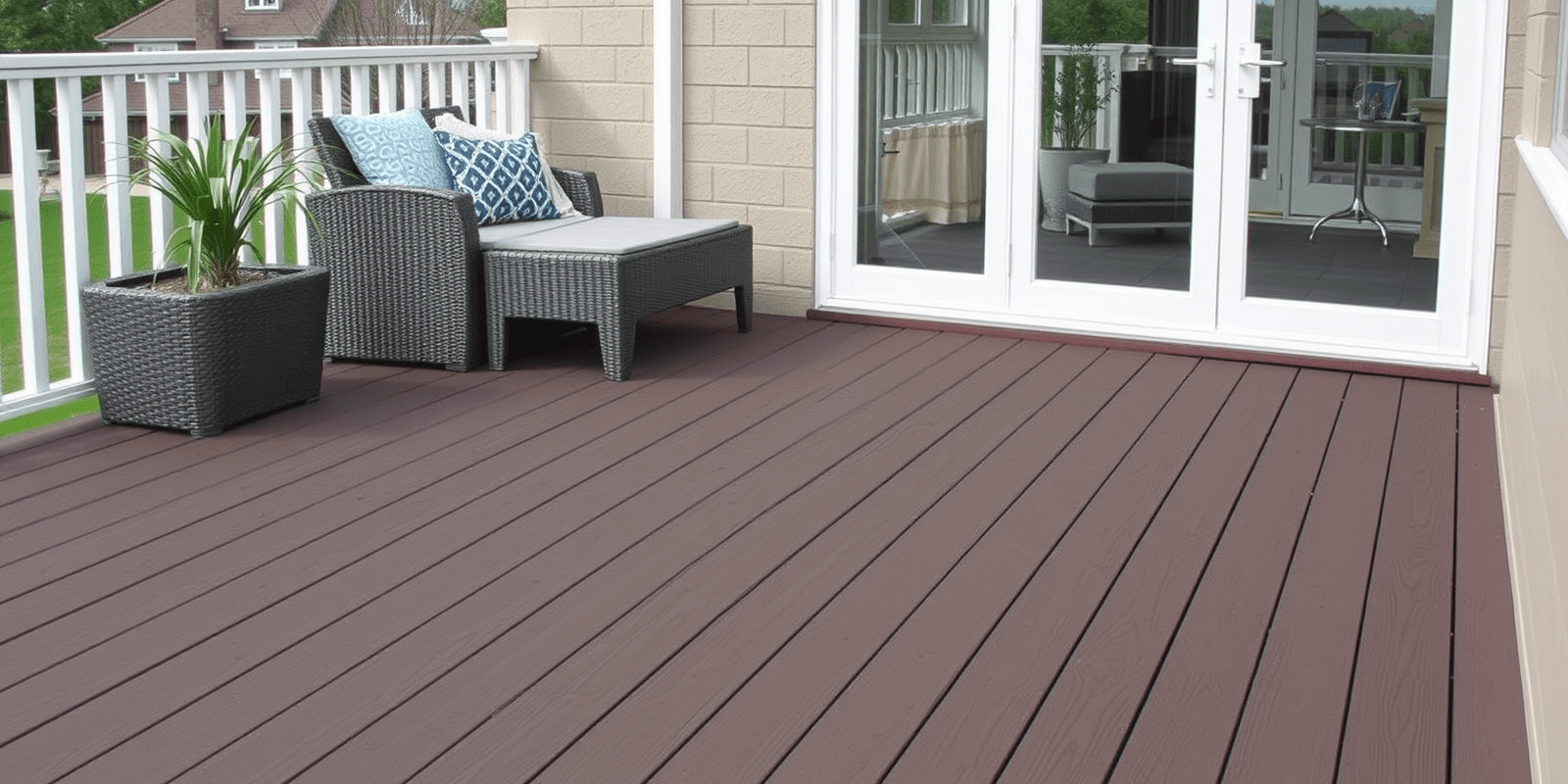
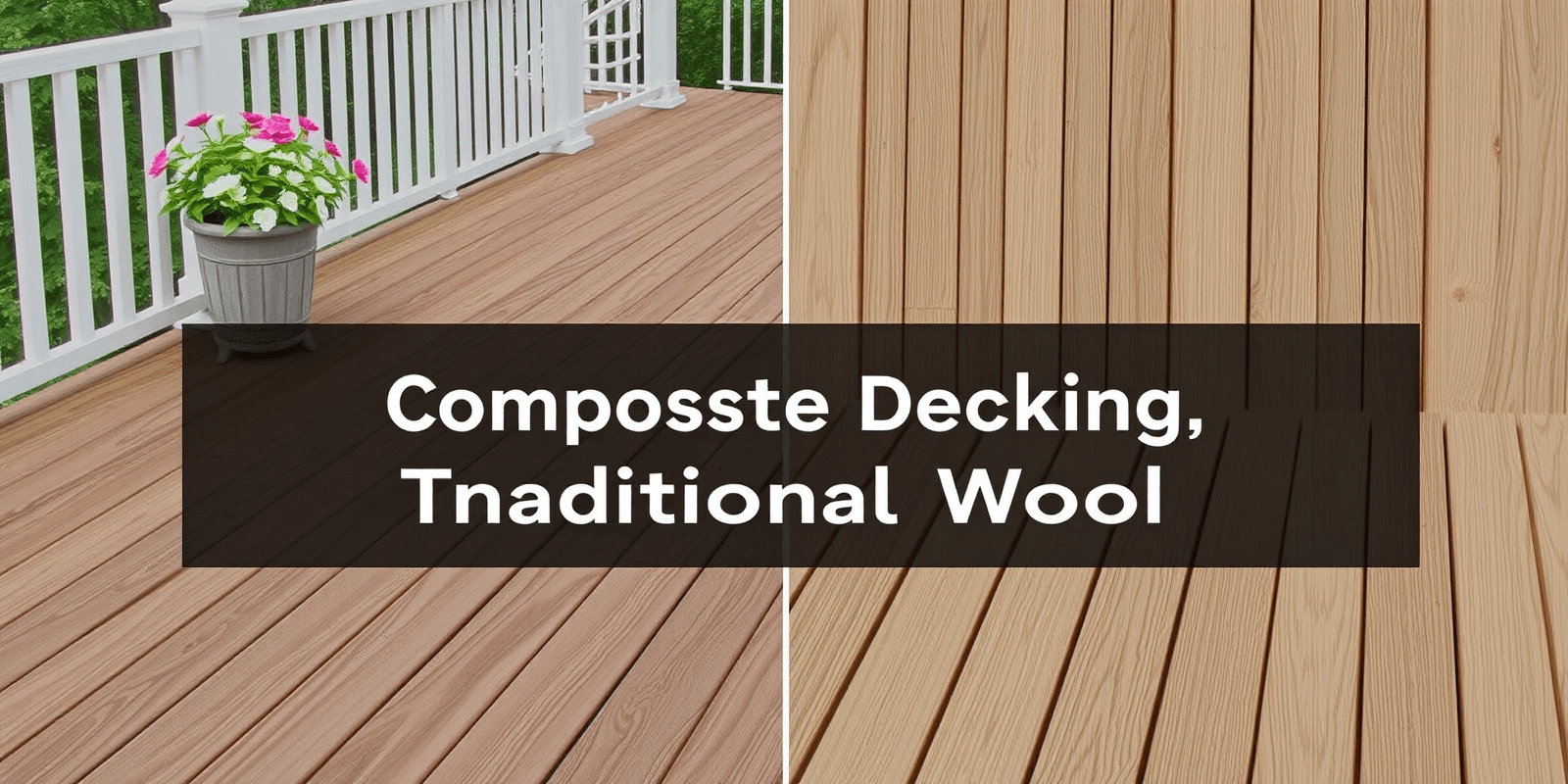
The visual appeal of composite decking can significantly influence your decision. Composite materials come in various colors and textures, mimicking the look of natural wood but with added benefits. For instance, TimberTech offers a range of finishes, including a realistic wood grain texture and vibrant color options. Consider how the decking will complement your home’s exterior and landscape design.
Durability
Durability is crucial for ensuring your deck remains beautiful and functional over time. Composite decking is generally more resistant to rot, insects, and weathering compared to traditional wood. Certain brands, like Azek, focus on high-performance composites designed to withstand harsh climates. Check for certifications like UV resistance and warranty terms to gauge long-term performance.
Cost
While composite decking typically costs more upfront than traditional wood, it often provides better value over time due to reduced maintenance needs. Factor in installation costs and potential savings from lower upkeep expenses. Comparing prices among different brands and considering bulk discounts can also help manage budget constraints.
Types of Composite Materials
Composite decking materials vary widely in composition and performance. Here are some key types:
- PVC Composite: Made primarily from PVC, this type is highly durable and requires minimal maintenance. It’s ideal for coastal areas due to its resistance to saltwater and humidity.
- Wood-Plastic Composite (WPC): Combining wood fibers and plastic, WPC offers a balance between natural appearance and enhanced durability. Brands like Trex and Fiberon excel in this category.
- Cellular PVC: Similar to PVC composite but with added cellular structure, providing extra strength and insulation properties.
Conclusion
Choosing the best composite decking product involves weighing multiple factors, from environmental impact and aesthetics to durability and cost. By understanding the unique selling points of different composite materials and brands, you can make an informed decision that enhances both the beauty and longevity of your deck. Whether you prioritize sustainability, low-maintenance, or aesthetic appeal, there’s a composite decking solution tailored to your needs.
“`