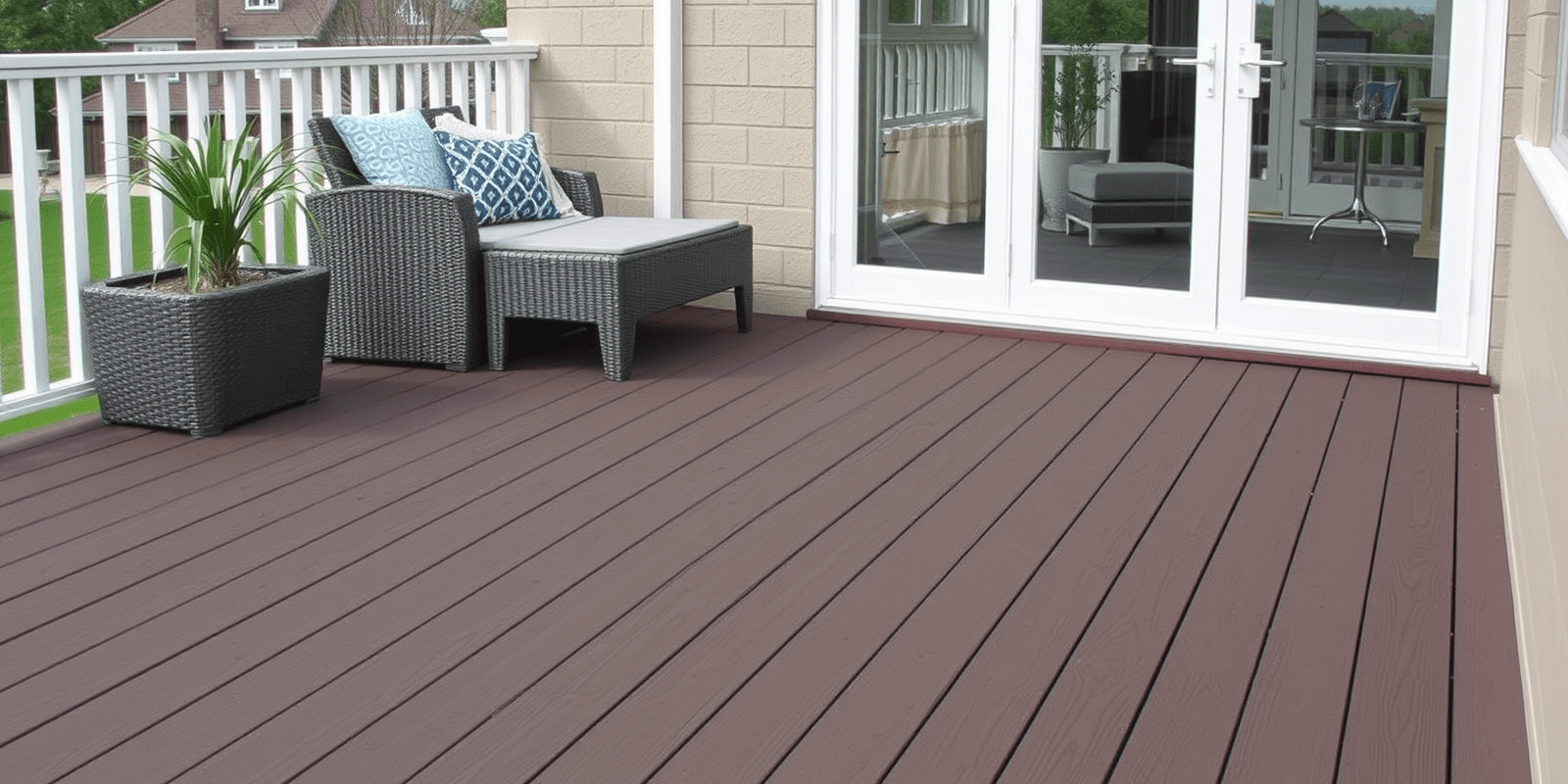


“`html
Choosing Between Composite and Vinyl Decking: A Comprehensive Guide
Introduction
When it comes to choosing between composite and vinyl decking, homeowners often find themselves in a dilemma. Both materials offer unique advantages and disadvantages, making the decision challenging. This guide aims to provide a comprehensive evaluation of composite and vinyl decking, focusing on long-term benefits, maintenance routines, upfront costs, and sustainability aspects. By understanding these factors, homeowners can make an informed decision that best suits their needs.
Long-Term Benefits
Composite decking is known for its durability and resistance to weathering, making it a popular choice among homeowners. It combines wood fibers with plastic to create a material that is both strong and resilient. On the other hand, vinyl decking offers excellent resistance to moisture, insects, and UV rays. However, it may not be as durable under heavy foot traffic compared to composite decking. [Source]
Maintenance Routines
Composite decking requires minimal maintenance. Regular cleaning with soap and water is usually sufficient to keep it looking good. However, it can fade over time, especially if exposed to direct sunlight. Vinyl decking, while more resistant to fading, still requires occasional cleaning and occasional replacement of any damaged sections. The key to maintaining both materials is to avoid harsh chemicals and abrasive cleaners. [Source]
Upfront Costs
Composite decking typically has a higher upfront cost than vinyl decking. However, the long-term savings from reduced maintenance needs can offset this initial investment. Vinyl decking is generally cheaper to install but may require more frequent repairs or replacements due to its susceptibility to cracking and warping under extreme conditions. Homeowners should consider both the initial cost and the expected lifespan when budgeting for their project. [Source]
Sustainability Aspects
Composite decking is often considered more sustainable because it uses recycled materials. This reduces waste and supports recycling efforts. Vinyl decking, while recyclable, is made from virgin PVC, which is less environmentally friendly. However, advancements in manufacturing processes are making vinyl decking more sustainable. Homeowners concerned about environmental impact should weigh these factors carefully. [Source]
Actionable Advice and Considerations
Before deciding on composite or vinyl decking, homeowners should assess their specific needs and preferences. Factors such as climate, usage frequency, and budget play crucial roles in the final decision. Composite decking is ideal for those seeking low-maintenance, durable options with a natural look. Vinyl decking is better suited for areas with high moisture levels and where minimal maintenance is preferred. Consulting with a professional installer can also provide valuable insights into the best option for your home. [Source]
“`