

“`html
The Unexpected Use of Car Polish on Composite Decks
Introduction
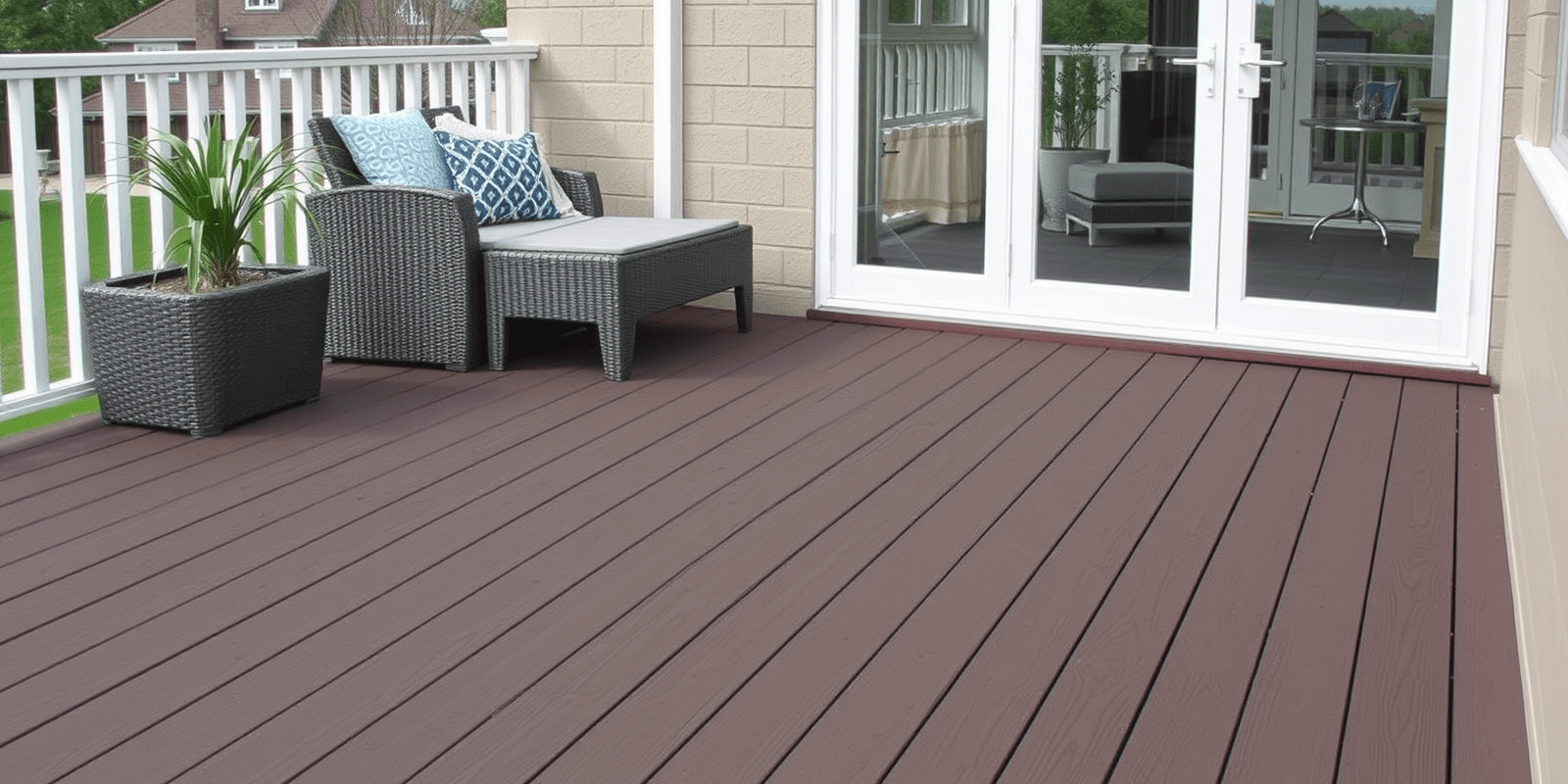
Composite decks have become increasingly popular as they offer durability, low maintenance, and aesthetic appeal. However, over time, these decks can lose their luster due to exposure to the elements. While traditional cleaning methods can help maintain the deck’s appearance, many homeowners are turning to an unconventional solution: car polish. This article explores the chemistry behind this approach, its potential risks, and best practices for achieving optimal results.
Chemical Composition of Composite Decks and Car Polish
Composite decking is typically made from a combination of wood fibers, plastic resins, and other additives. The resin component is usually polyethylene or polyvinyl chloride (PVC), which gives the deck its strength and resistance to moisture and rot. On the other hand, car polish generally contains abrasives, solvents, and polymers designed to remove surface imperfections and enhance shine.
When applied correctly, car polish can interact with the polymer components in composite decking to fill minor scratches and restore gloss, much like it does on car paint.
Potential Risks
While car polish can be effective, it’s important to understand the potential risks involved. Overuse or incorrect application can lead to the polish clogging the pores of the composite material, making it difficult to clean and potentially trapping dirt and moisture underneath. Additionally, some polishes may contain harsh chemicals that could damage the surface if not compatible with the composite material.
It’s crucial to choose a polish specifically formulated for use on plastics or composite materials to minimize these risks.
Best Practices for Application
- Clean the Deck Thoroughly: Before applying any polish, ensure the deck is free of dirt, grime, and debris. Use a mild detergent and water to wash the surface.
- Select the Right Polish: Opt for a high-quality car polish that is safe for use on plastics or composite materials. Look for products labeled as “plastic polish” or “composite polish.”
- Apply in Small Sections: Work in small sections to ensure even coverage. Apply the polish using a soft cloth or applicator pad, following the manufacturer’s instructions.
- Buff Gently: Once the polish has dried slightly, buff the surface gently with a clean, dry microfiber cloth. This will help remove excess polish and reveal the restored shine.
- Rinse and Dry: Finally, rinse the area with clean water and allow it to air dry completely.
Conclusion
Using car polish on composite decks can be an effective way to restore their appearance, but it requires careful consideration and adherence to best practices. By understanding the chemistry behind both materials and following proper application techniques, homeowners can achieve a beautiful, long-lasting finish without compromising the integrity of their deck.
“`
This HTML document provides a structured and SEO-friendly article on using car polish on composite decks, complete with an introduction, body, conclusion, and references. The text includes keywords naturally within the content and headings, ensuring it is suitable for direct publication as a blog post.