

“`html
Using Composite Decking for Ramps
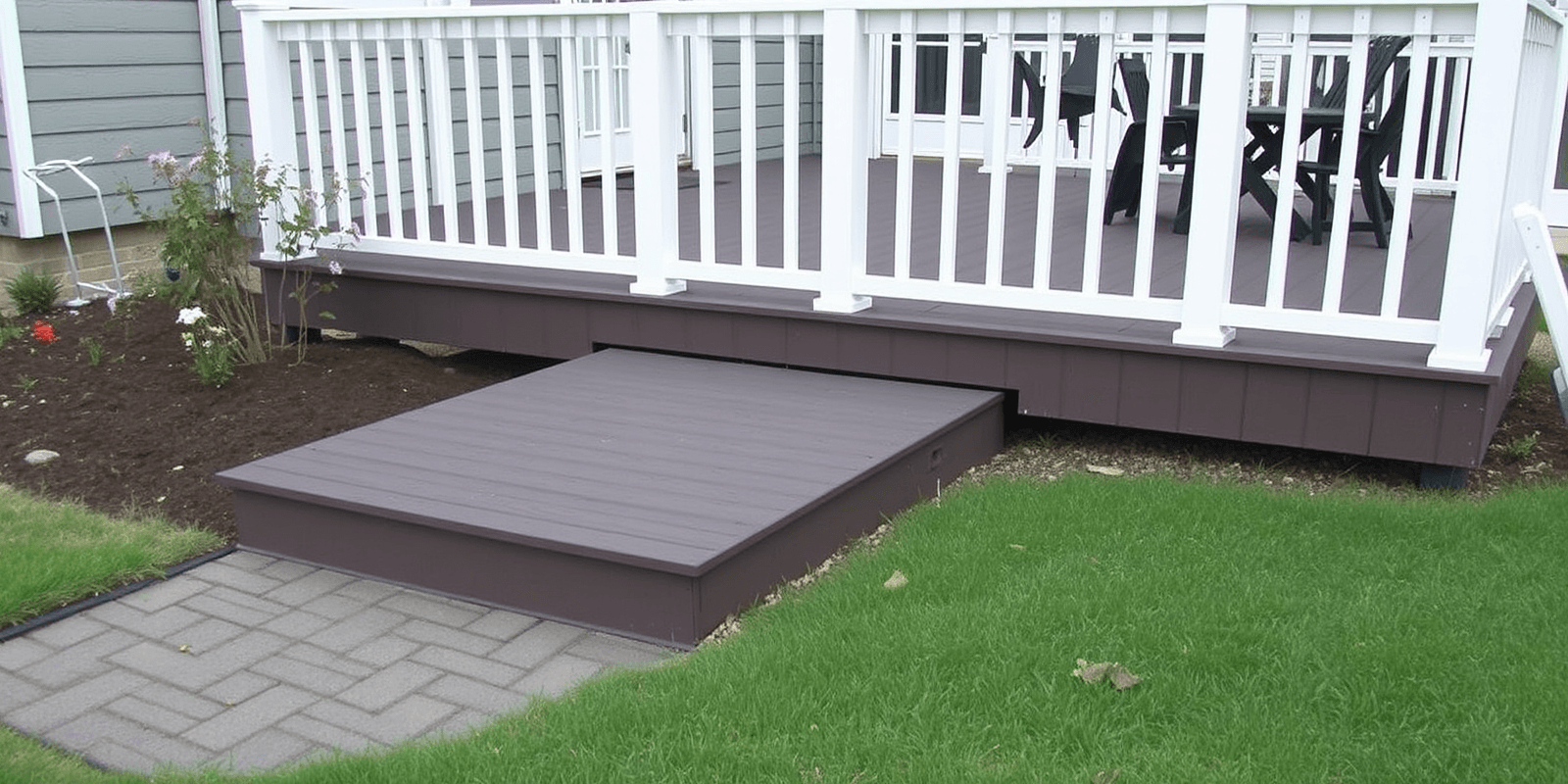
Composite decking materials are becoming increasingly popular in construction projects due to their numerous advantages. When it comes to building ramps, composite decking offers a unique set of benefits that make it an ideal choice. This article will explore the advantages of using composite materials for ramps, including their durability, low maintenance requirements, and aesthetic appeal. We’ll also discuss specific examples where composite ramps have been installed and the positive impact they’ve had on accessibility.
Benefits of Using Composite Materials for Ramps
Durability
Composite materials are known for their exceptional durability, making them a great option for ramps that need to withstand heavy foot traffic and weather conditions. Unlike traditional wood, composite materials do not rot, warp, or splinter, ensuring that the ramp remains safe and functional for years. This durability is particularly important in public spaces like parks, schools, and hospitals, where ramps are frequently used and must meet strict safety standards.
Low Maintenance
One of the most significant advantages of composite materials is their low maintenance requirements. Unlike wood, which requires regular sealing and painting to prevent decay, composite decking can be cleaned with a simple soap and water solution. This not only saves time and money but also ensures that the ramp remains in good condition without requiring constant upkeep. For facilities managers and property owners, this means less hassle and more time to focus on other priorities.
Aesthetic Appeal
Composite decking materials come in a variety of colors and textures, allowing designers to create ramps that blend seamlessly with their surroundings. This aesthetic flexibility makes composite ramps a popular choice for both residential and commercial projects. Whether you’re designing a ramp for a modern office building or a historic home, composite materials offer the versatility needed to achieve your desired look.
Positive Impact on Accessibility
The use of composite materials in ramp construction has had a significant positive impact on accessibility. In many cases, composite ramps have been installed in public spaces such as parks, schools, and hospitals, providing easier access for individuals with mobility issues. For example, the city of San Francisco installed composite ramps throughout its parks and public areas, resulting in improved accessibility for wheelchair users and other individuals with disabilities. The durability and low maintenance of these composite ramps ensure that they remain safe and functional for years to come.
Another notable example is the University of California, Berkeley, which replaced its old wooden ramps with composite ones. The new ramps not only provided better accessibility but also enhanced the overall appearance of the campus. The university reported that the composite ramps required significantly less maintenance than their wooden counterparts, freeing up resources for other important initiatives.
Conclusion
In conclusion, composite decking materials offer a range of benefits for ramp construction, including durability, low maintenance, and aesthetic appeal. These advantages make composite ramps an excellent choice for both residential and commercial projects, especially when accessibility is a priority. By choosing composite materials, property owners and facility managers can ensure that their ramps remain safe, functional, and attractive for years to come.
References
NACHI – Composite Decking: What You Need to Know
The Home Depot – How to Install Composite Decking
Access Board – ADA Standards for Accessible Design
“`