

Veranda Composite Decking: A Sustainable Choice for Eco-Friendly Homeowners
As homeowners increasingly seek ways to reduce their environmental footprint, materials like Veranda composite decking offer a compelling alternative to traditional wood decking. This blog post will explore the eco-friendly aspects of Veranda composite decking, including its recycled content and reduced need for chemical treatments. We’ll also compare it to traditional wood decking and discuss its long-term impact on the environment.
Eco-Friendly Aspects of Veranda Composite Decking Material
Veranda composite decking is an innovative material that combines recycled plastic and wood fibers to create a durable, low-maintenance product. The use of recycled content in Veranda composite decking significantly reduces the demand for new raw materials and helps divert waste from landfills. According to the company, their decking material contains up to 95% recycled content, which includes both post-consumer and post-industrial sources.
Moreover, Veranda composite decking requires less maintenance than traditional wood decking, which often necessitates regular sealing and staining to protect against moisture, insects, and decay. This reduced need for chemical treatments makes Veranda composite decking a more environmentally friendly option. Traditional wood decks typically require annual or biannual applications of sealants and stains, many of which contain harmful chemicals that can leach into the soil and waterways. By contrast, Veranda composite decking resists moisture, mold, and mildew, reducing the need for these potentially harmful treatments.
Comparing Veranda Composite Decking to Traditional Wood Decking
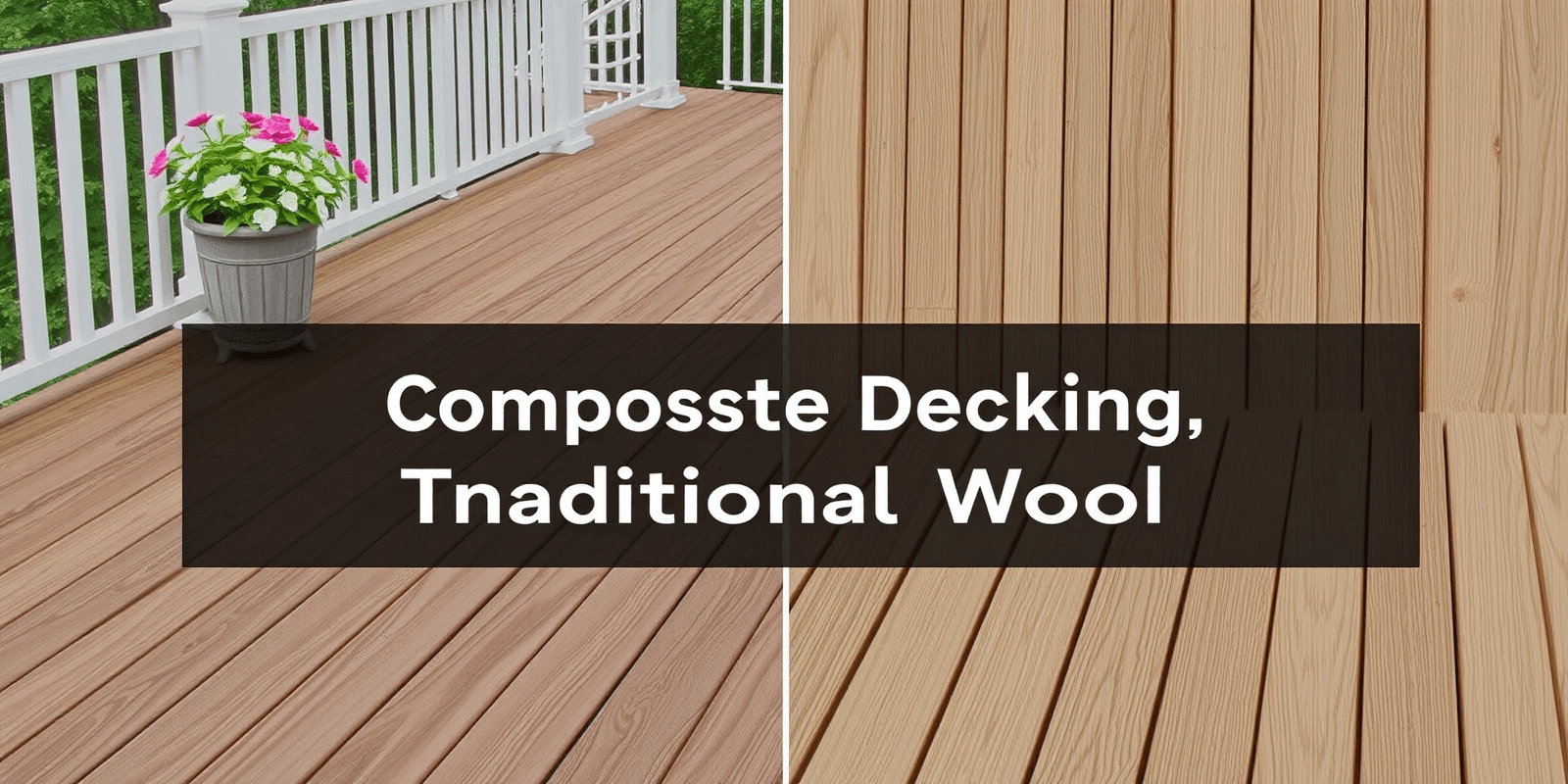
When comparing Veranda composite decking to traditional wood decking, it’s essential to consider the entire lifecycle of each material. While traditional wood decks may have a lower initial cost, they often require significant ongoing maintenance and eventual replacement. In contrast, Veranda composite decking offers a longer lifespan, estimated at 25 years or more with proper care. This longevity means fewer resources are consumed over time, resulting in a smaller overall environmental impact.
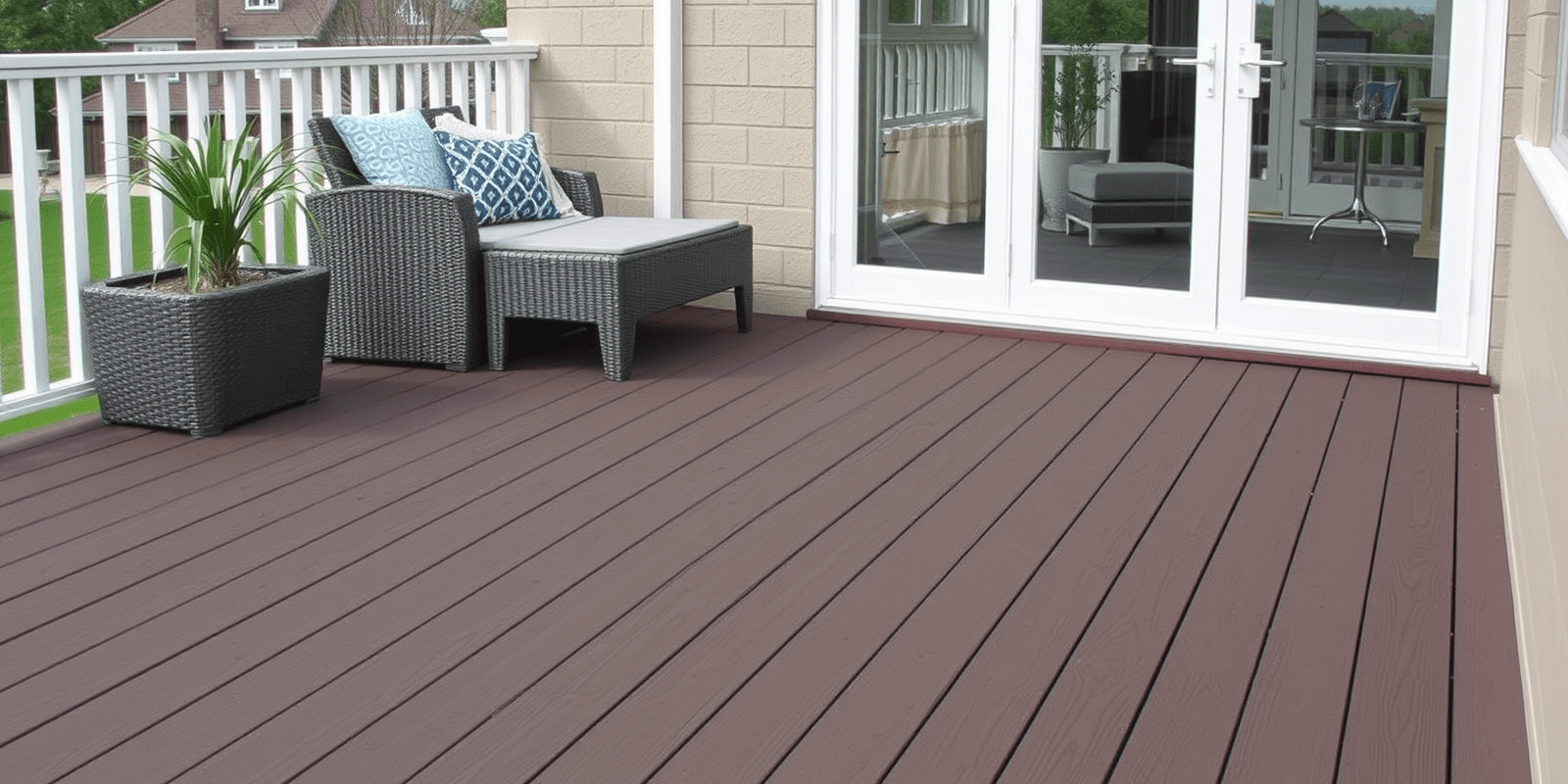
In addition to the environmental benefits, Veranda composite decking also provides aesthetic advantages. Its consistent color and texture make it resistant to fading, warping, and cracking, ensuring a beautiful appearance throughout its lifespan. Moreover, Veranda composite decking is available in a variety of colors and styles, allowing homeowners to customize their outdoor living spaces without sacrificing sustainability.
Long-Term Impact on the Environment
The long-term impact of Veranda composite decking on the environment is substantial. By choosing this sustainable option, homeowners can significantly reduce their carbon footprint and contribute to a healthier planet. Additionally, the durability and longevity of Veranda composite decking mean that fewer resources are consumed over time, further minimizing its environmental impact.
Furthermore, Veranda composite decking supports responsible forestry practices by reducing the demand for virgin wood products. This helps preserve forests, which play a crucial role in sequestering carbon dioxide and supporting biodiversity. By opting for Veranda composite decking, homeowners can enjoy a beautiful, functional outdoor space while making a positive contribution to the environment.
Conclusion
Veranda composite decking is an excellent choice for eco-conscious homeowners seeking a sustainable alternative to traditional wood decking. Its recycled content, reduced need for chemical treatments, and long-lasting nature make it a smart investment for those looking to minimize their environmental impact. With its combination of beauty, durability, and sustainability, Veranda composite decking is a compelling option for creating an eco-friendly outdoor living space.