
“`html
The Eco-Friendly Choice: Weather Shield Decking Composite vs. Traditional Wood
Introduction
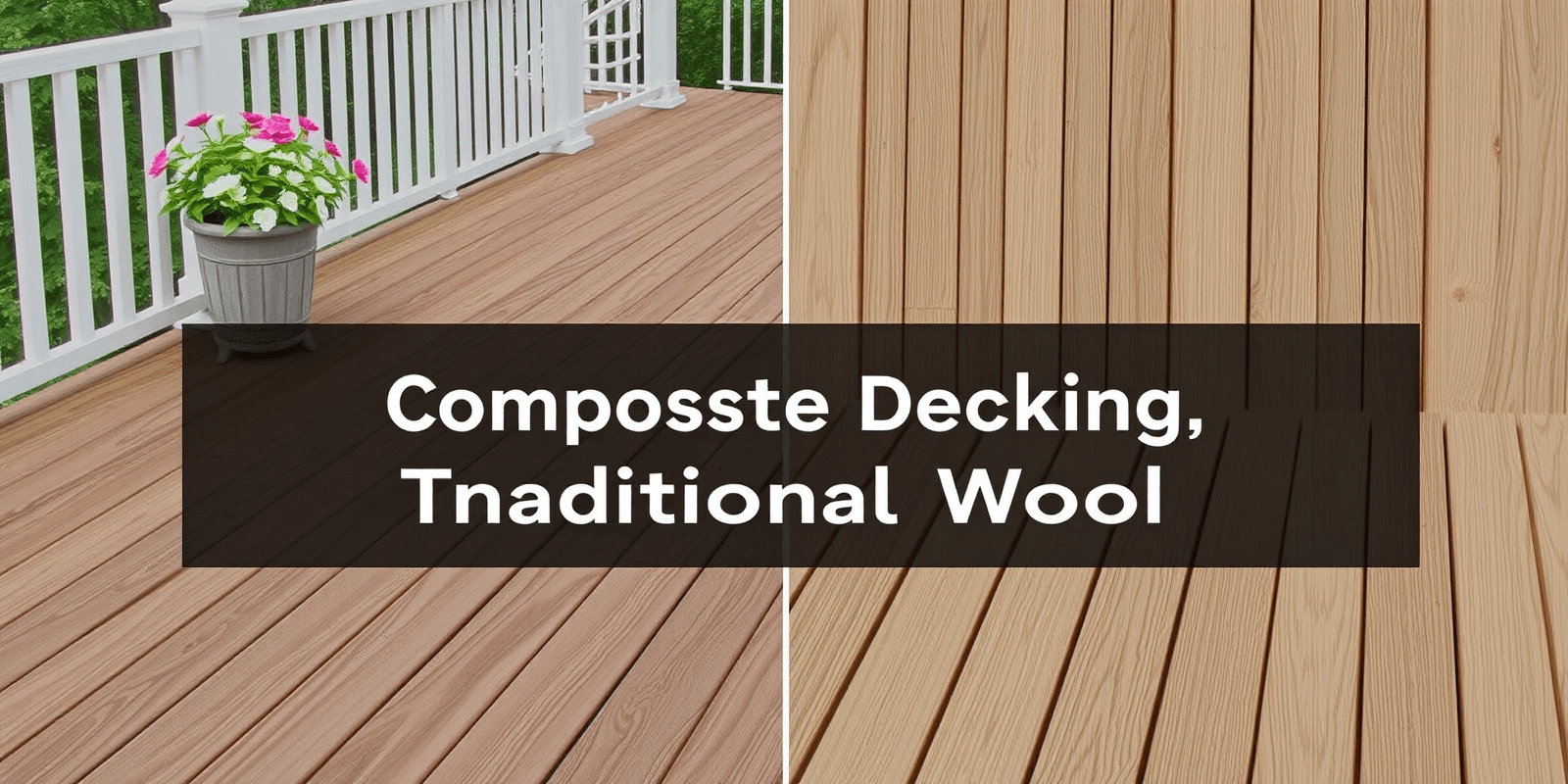
In recent years, the construction industry has increasingly turned to eco-friendly materials to reduce their environmental impact. Among these choices, Weather Shield Decking Composite has emerged as a promising alternative to traditional wood decking. This article explores the ecological advantages of Weather Shield Decking Composite and compares it with traditional wood decks in terms of performance, lifespan, cost-effectiveness, and aesthetic appeal.
Eco-Friendly Advantages of Weather Shield Decking Composite
Weather Shield Decking Composite offers several ecological benefits that make it an attractive choice for environmentally conscious consumers. One of the most significant advantages is its contribution to reducing deforestation. Unlike traditional wood decks, which require cutting down trees, composite decking is made from recycled plastic and wood fibers, thereby preserving forests and biodiversity.
Moreover, the production process of Weather Shield Decking Composite results in a lower carbon footprint compared to traditional wood. The energy-intensive processes involved in harvesting, transporting, and treating wood contribute significantly to greenhouse gas emissions. In contrast, composite decking requires less energy to manufacture and often utilizes recycled materials, leading to fewer emissions throughout its lifecycle.
Another key advantage is the recyclable nature of composite decking. At the end of its life, Weather Shield Decking Composite can be repurposed or recycled, extending its useful life and reducing waste in landfills. This closed-loop system promotes sustainability and reduces the demand for new raw materials.
Performance and Lifespan Comparison
When it comes to durability and maintenance, Weather Shield Decking Composite outperforms traditional wood decks. Composite decking is resistant to rot, insects, and moisture, which means it requires minimal upkeep over its lifespan. Traditional wood decks, on the other hand, need regular sealing and staining to protect against weather damage, adding to both time and financial costs.
Composite decking also boasts a longer lifespan than traditional wood. While wood decks typically last between 10 to 15 years before requiring significant repairs or replacement, Weather Shield Decking Composite can endure up to 30 years with proper care. This extended lifespan not only reduces the frequency of replacements but also minimizes the environmental impact associated with repeated construction activities.
Cost-Effectiveness and Aesthetic Appeal
Although the initial cost of Weather Shield Decking Composite may be higher than traditional wood, its long-term cost-effectiveness cannot be overlooked. The reduced maintenance requirements and extended lifespan translate into lower overall expenses, making composite decking a smart investment for homeowners.
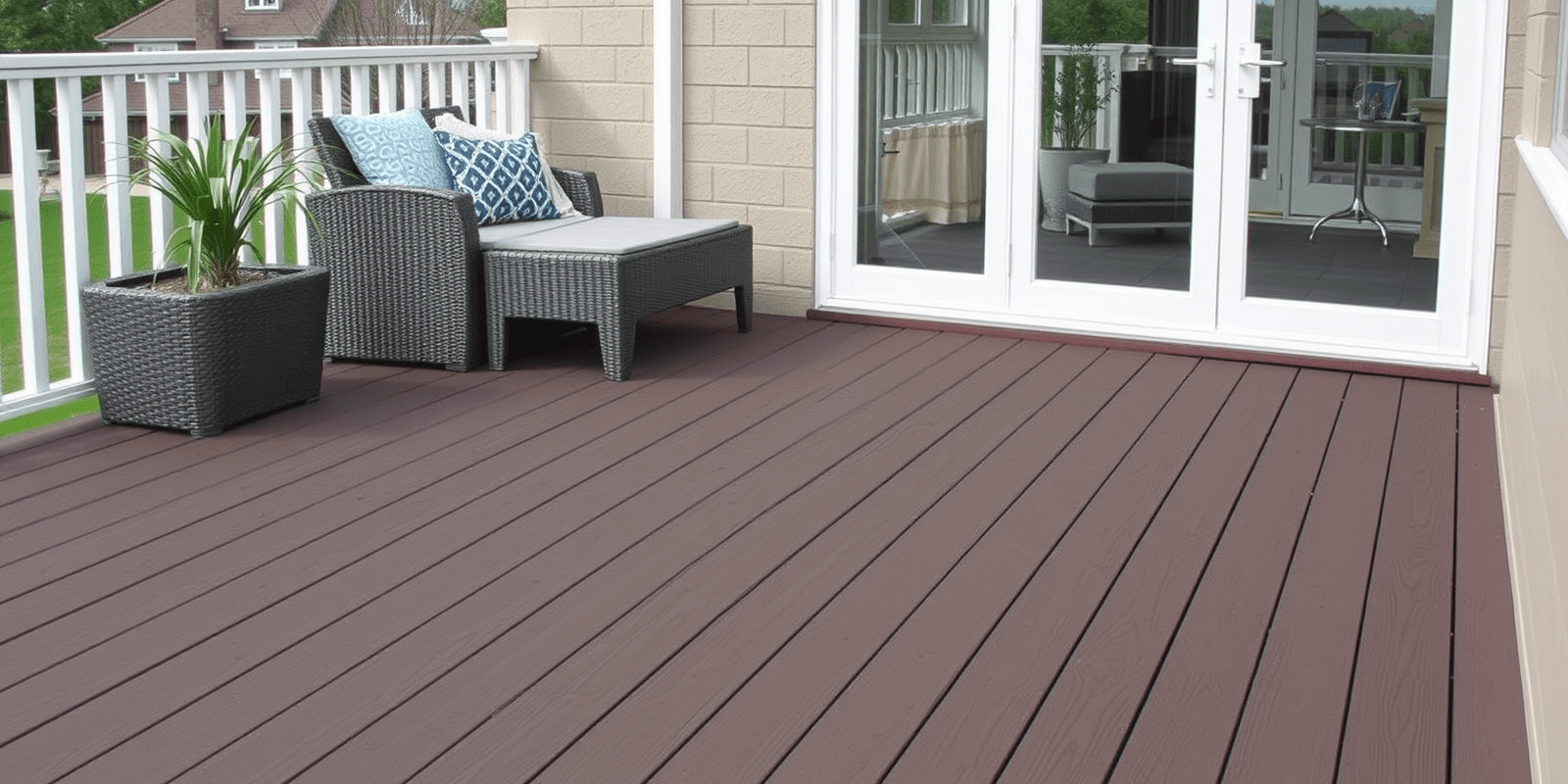
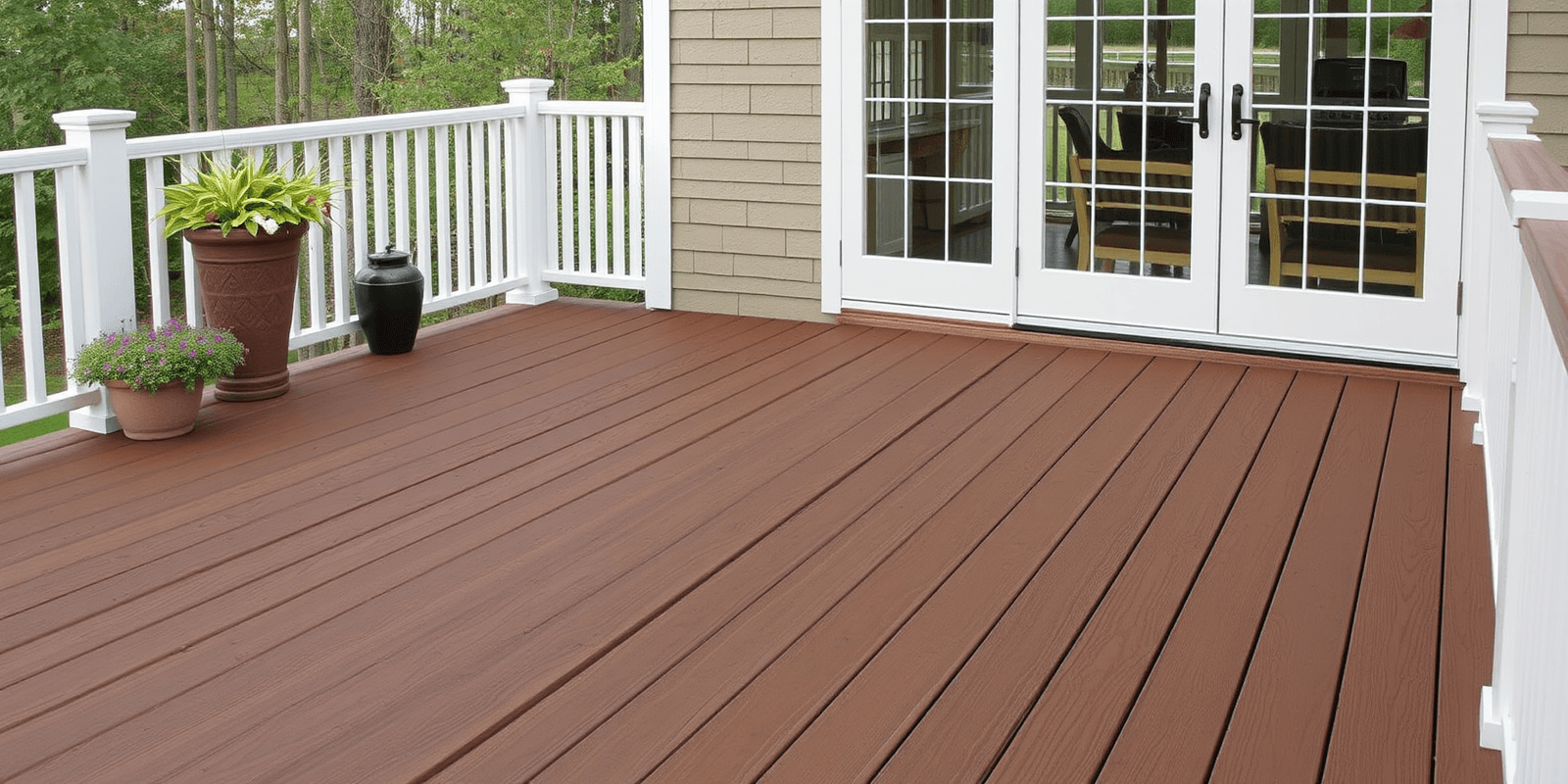
From an aesthetic standpoint, Weather Shield Decking Composite offers a wide range of styles and colors that mimic the look of natural wood while providing enhanced durability and resistance to fading. This versatility allows homeowners to choose a design that suits their preferences without compromising on functionality or longevity.
“`