
“`html
Water Shedding Composite Decking: The Eco-Friendly Outdoor Solution
Introduction
In recent years, there has been a growing emphasis on sustainable living and eco-friendly solutions in home improvement projects. One such solution is water shedding composite decking, which offers numerous environmental benefits compared to traditional decking materials. This article explores the advantages of water shedding composite decking, compares it with other decking materials in terms of carbon footprint and recyclability, and highlights successful case studies where this decking has been implemented in green building projects.
Environmental Benefits of Water Shedding Composite Decking
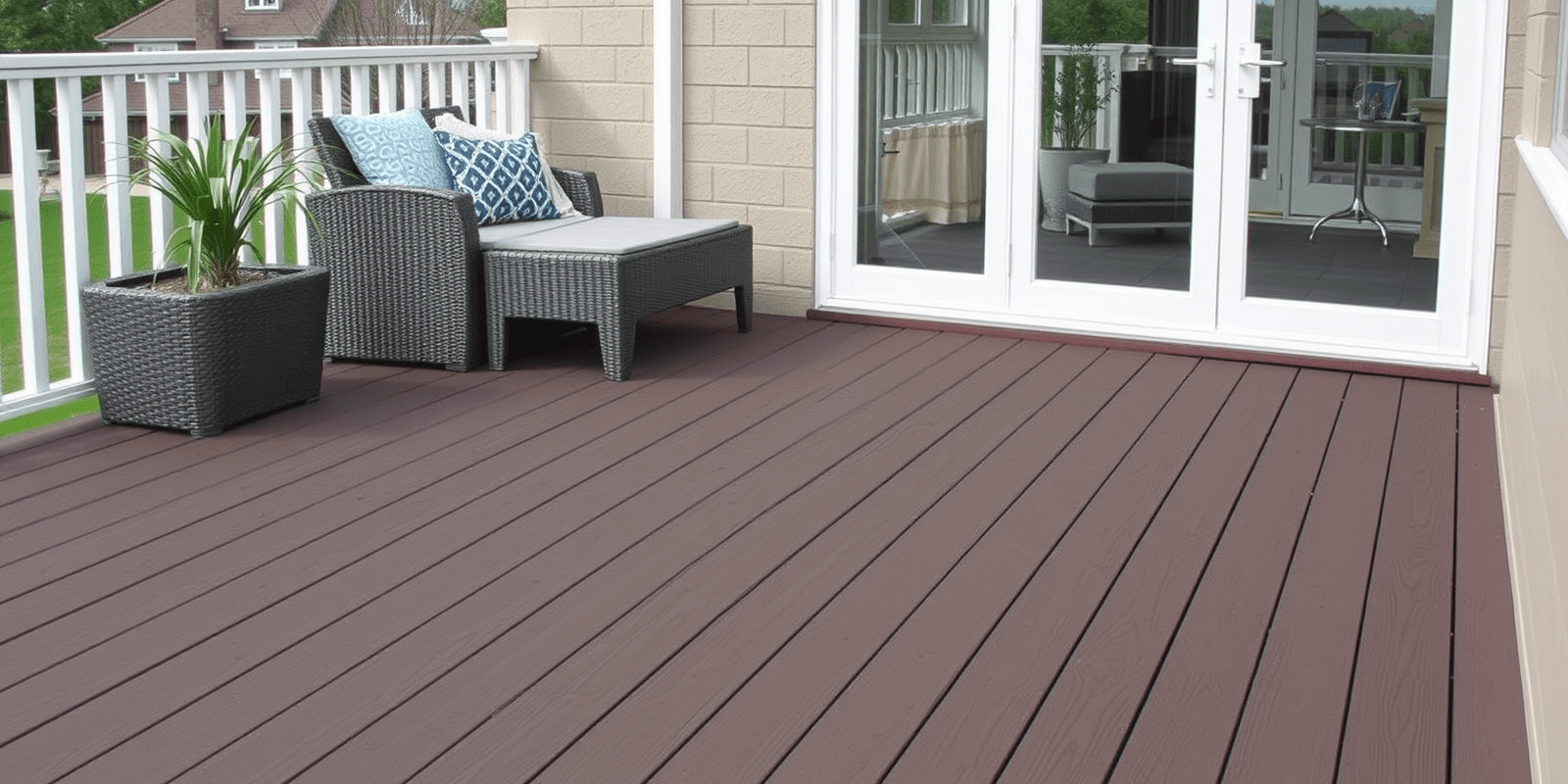
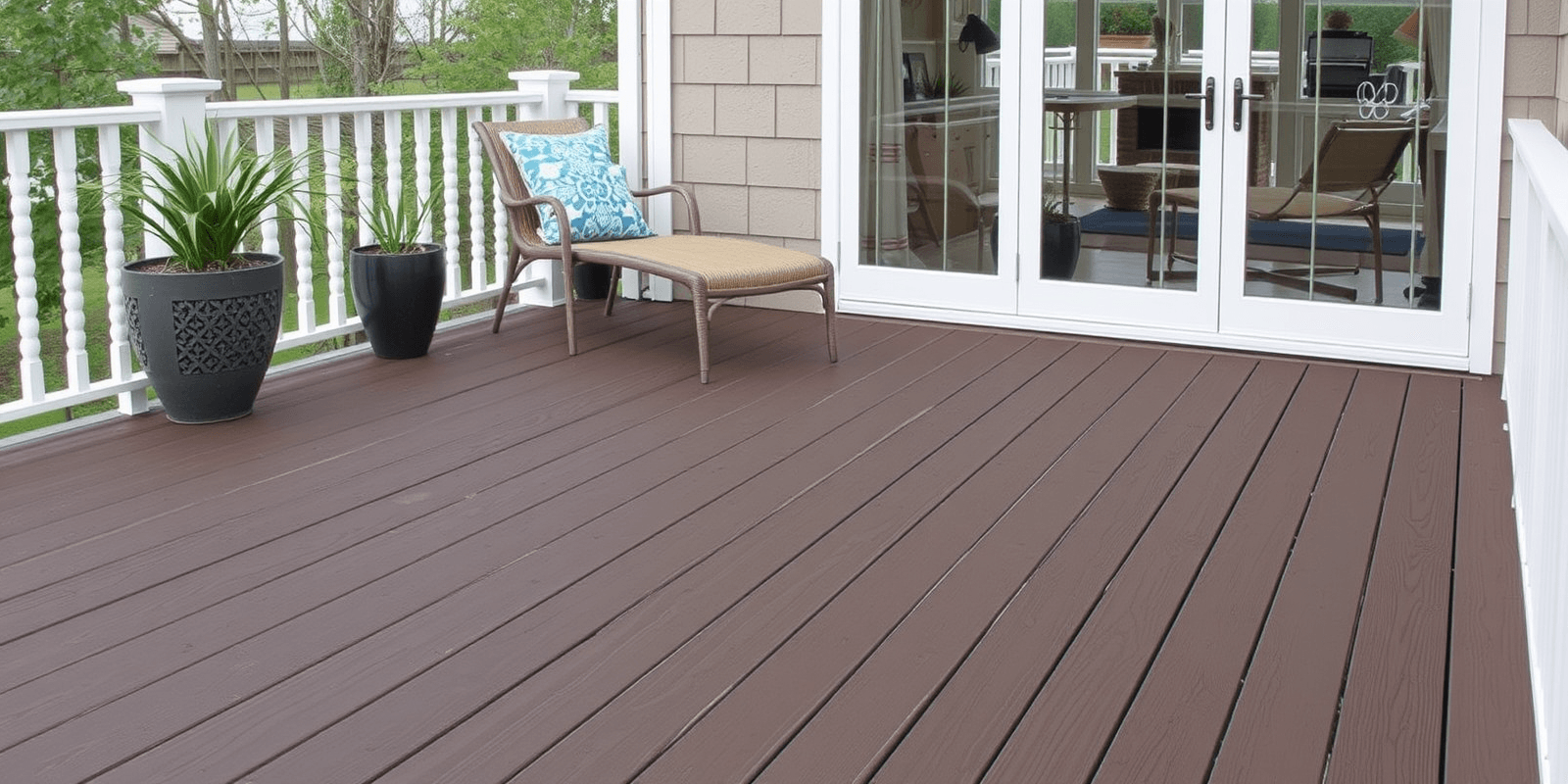
Water shedding composite decking is designed to resist moisture, making it an excellent choice for outdoor spaces that are exposed to frequent rainfall or high humidity. Unlike traditional wood decking, which can warp, rot, or attract mold when exposed to water, composite decking remains stable and durable. This resistance to water not only extends the lifespan of the decking but also reduces the need for maintenance, thereby lowering the overall environmental impact associated with upkeep.
Comparing Carbon Footprint and Recyclability
When it comes to the carbon footprint, water shedding composite decking generally has a lower impact than traditional wood decking. While wood is a renewable resource, its production involves significant energy consumption and transportation emissions. Composite decking, on the other hand, is often made from recycled plastic and wood fibers, reducing waste and the demand for virgin materials. Additionally, many composite decking products are designed to be recyclable at the end of their lifecycle, further minimizing their environmental impact.
To provide a more concrete comparison, consider the following data:
- Green Building Advisor reports that the production of composite decking typically results in fewer greenhouse gas emissions compared to wood decking.
- A study by ScienceDirect found that the use of recycled materials in composite decking significantly reduces the embodied energy and carbon footprint.
Successful Case Studies in Green Building Projects
Several green building projects have successfully integrated water shedding composite decking, demonstrating its viability as an eco-friendly solution. For instance, the California Academy of Sciences in San Francisco features a rooftop garden supported by composite decking that not only withstands harsh weather conditions but also promotes biodiversity and sustainability. Another notable example is the Denver Botanic Gardens, where composite decking was chosen for its durability and low-maintenance requirements, aligning with the institution’s commitment to sustainable practices.
Conclusion
Water shedding composite decking presents a compelling option for those seeking an environmentally friendly outdoor solution. Its ability to resist water, lower carbon footprint, and enhance recyclability makes it a valuable choice in the realm of sustainable building materials. By choosing water shedding composite decking, homeowners and builders can contribute to a greener future while enjoying the beauty and functionality of their outdoor spaces.
“`