
“`html
Vinyl Coated Composite Decking
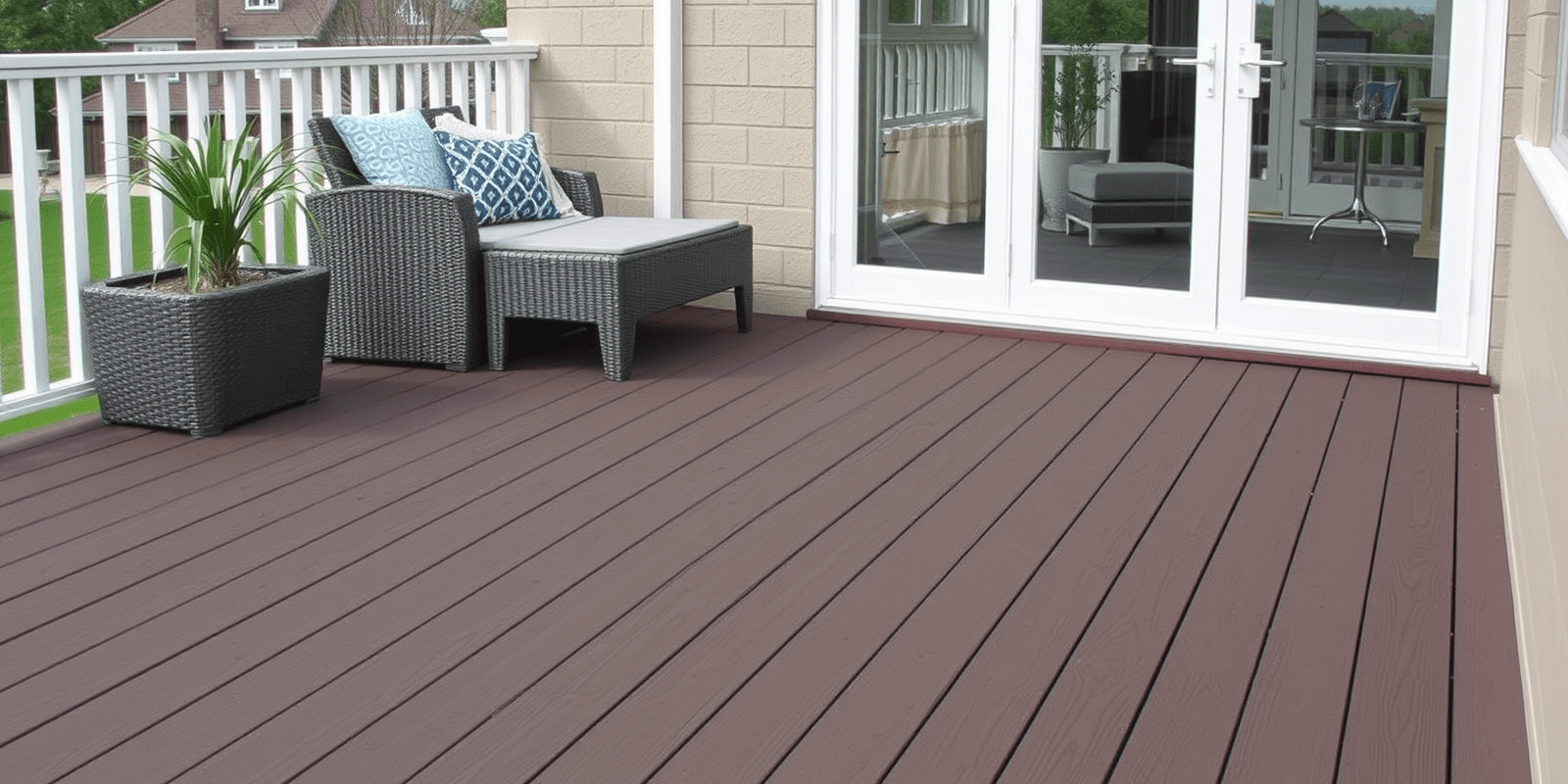
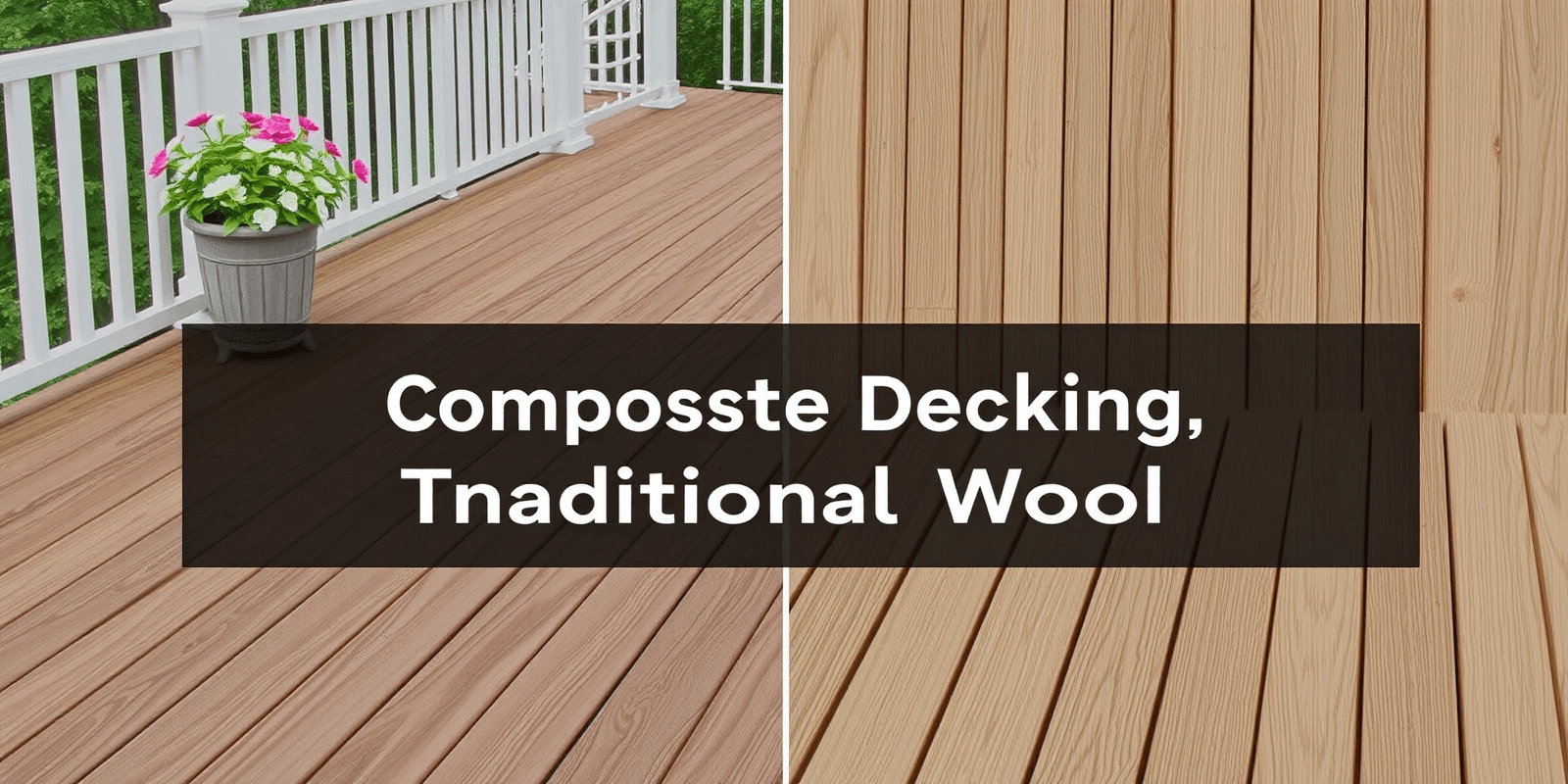
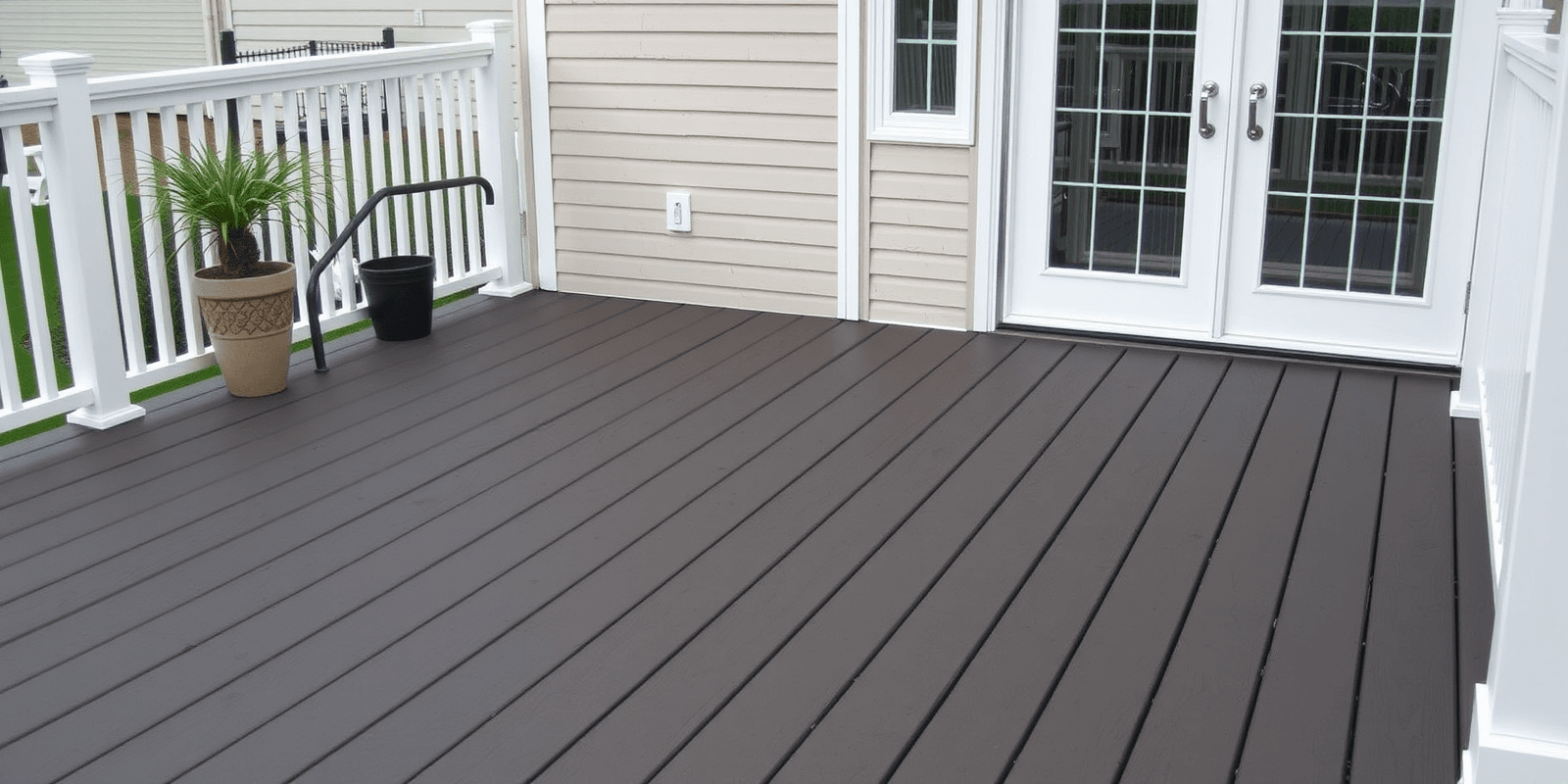
Composite decking has gained significant popularity as a sustainable alternative to traditional wood decking materials. Among the various types of composite decking, vinyl coated composite decking stands out for its unique combination of durability, low maintenance, and environmental benefits. This article will explore the environmental advantages of vinyl coated composite decking, highlighting its resistance to moisture, insects, and UV rays, and providing examples of successful installations across different climates.
Environmental Advantages
Vinyl coated composite decking offers several environmental benefits that make it an attractive choice for eco-conscious consumers. Unlike traditional wood, which requires frequent treatment with chemicals and replacement due to decay, vinyl coated composite decking is made from recycled materials and is designed to last longer. This reduces the demand for new timber and minimizes waste, contributing to a more sustainable building process.
Resistance to Moisture
One of the most significant advantages of vinyl coated composite decking is its resistance to moisture. Traditional wood decks can warp, rot, or mold when exposed to water, requiring frequent maintenance and replacement. In contrast, vinyl coated composite decking is highly resistant to moisture damage, making it ideal for areas with high humidity or frequent rainfall. For instance, installations in coastal regions, where saltwater exposure is common, have shown excellent performance, maintaining their integrity and appearance over time.
Resistance to Insects
Another environmental advantage of vinyl coated composite decking is its resistance to insect infestations. Wood decks are susceptible to termites and other wood-boring insects, which can cause significant structural damage and necessitate costly repairs. Vinyl coated composite decking, on the other hand, does not attract insects, reducing the need for chemical treatments and minimizing the impact on local ecosystems. This makes it a safer option for wildlife and a more environmentally friendly choice.
Resistance to UV Rays
Vinyl coated composite decking also offers superior protection against UV rays, which can cause fading and degradation of traditional wood materials. The protective coating on vinyl coated composite decking helps maintain its color and appearance, even in harsh sunlight. This durability ensures that the deck remains beautiful and functional for many years, reducing the need for frequent replacements and the associated environmental impact.
Successful Installations Across Different Climates
Vinyl coated composite decking has been successfully installed in a variety of climates, showcasing its versatility and reliability. For example, installations in tropical regions like Hawaii have demonstrated exceptional performance, withstanding high temperatures and humidity without showing signs of wear. Similarly, installations in colder climates, such as Canada and Northern Europe, have proven resilient against snow and ice, maintaining their integrity throughout the winter months.
Conclusion
In conclusion, vinyl coated composite decking offers numerous environmental advantages over traditional wood materials, including resistance to moisture, insects, and UV rays. Its durability and low maintenance requirements make it a sustainable choice for outdoor living spaces, suitable for various climates. As awareness of environmental issues continues to grow, vinyl coated composite decking is likely to become an increasingly popular option for eco-conscious homeowners and builders.
“`
这段HTML代码提供了一个完整的网页博客内容,包含了标题、段落、小节标题,并且使用了适当的样式来确保内容易于阅读。同时,文章强调了关键词“vinyl coated composite decking”,并提供了参考文献。