
“`html
The Eco-Friendly Choice: Vinyl Wrapped Composite Decking
Introduction
In today’s world, sustainability is a key consideration in every aspect of life, including home improvement projects. One innovative solution gaining traction is vinyl wrapped composite decking. This material not only offers durability and aesthetics but also boasts a significantly lower environmental footprint compared to traditional wood or PVC decking options.
Reduced Environmental Impact
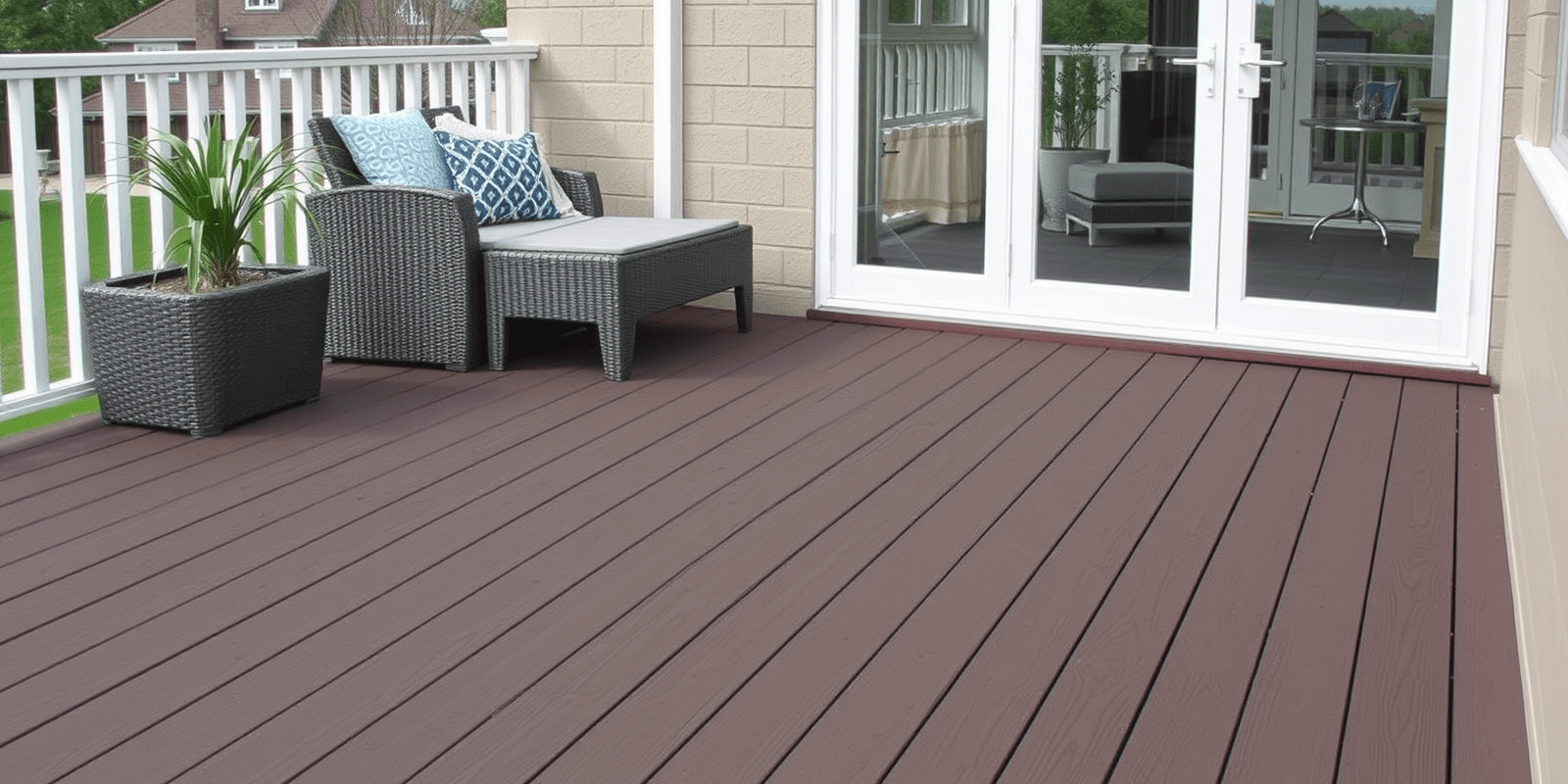
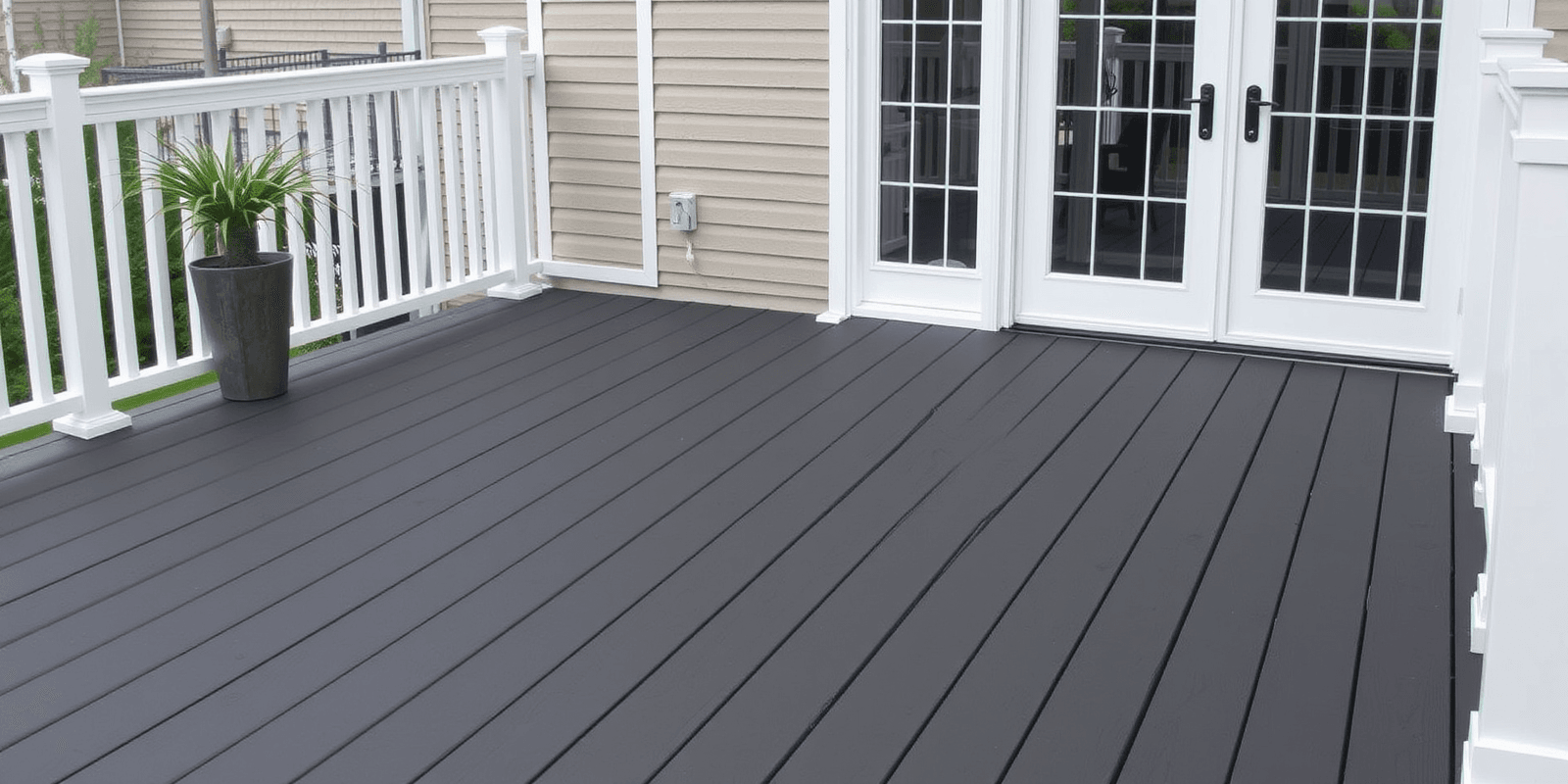
Vinyl wrapped composite decking is designed to minimize the ecological impact associated with construction materials. Unlike traditional wood decking, which often requires regular maintenance such as staining and sealing, composite decking requires minimal upkeep. According to a study by the National Institute of Standards and Technology (NIST), composite decking made from recycled materials can reduce the need for chemical treatments by up to 90%, thereby decreasing the release of harmful substances into the environment.
Recyclability
One of the standout features of vinyl wrapped composite decking is its recyclability. Many manufacturers have begun to incorporate recycling programs that allow old composite decking boards to be repurposed into new products. For instance, Trex, a leading manufacturer of composite decking, has recycled over one billion plastic bags, millions of feet of shipping films, and thousands of tons of wood scraps since 1996. This commitment to recycling not only reduces waste but also conserves natural resources.
According to the Environmental Protection Agency (EPA), recycling one ton of plastic saves approximately 7.4 cubic yards of landfill space. By choosing a product like vinyl wrapped composite decking, consumers contribute to a circular economy where materials are reused rather than discarded.
Energy Efficiency
Vinyl wrapped composite decking also excels in terms of energy efficiency. The manufacturing process of these materials typically uses less energy compared to traditional building materials. A report published in the Journal of Cleaner Production highlighted that the production of composite decking consumes up to 50% less energy than the production of traditional wood decking. Additionally, the thermal properties of composite decking help in maintaining a cooler surface temperature, reducing the need for additional cooling measures.
Sustainability and Cost-Effectiveness Over Time
While the initial investment in vinyl wrapped composite decking may be higher than traditional wood decking, the long-term benefits far outweigh the costs. Composite decking is more durable and resistant to weather conditions, requiring less frequent replacement. Furthermore, the low-maintenance nature of these materials translates into significant savings on upkeep over the years.
According to a study by the University of Michigan, the lifespan of composite decking is estimated to be around 25-30 years, compared to the 10-15 year lifespan of traditional wood decking. This extended lifespan not only reduces waste but also provides homeowners with a cost-effective solution that pays off over time.
“`