
“`html
The Future of Decking: Water-Repellent Composite Materials
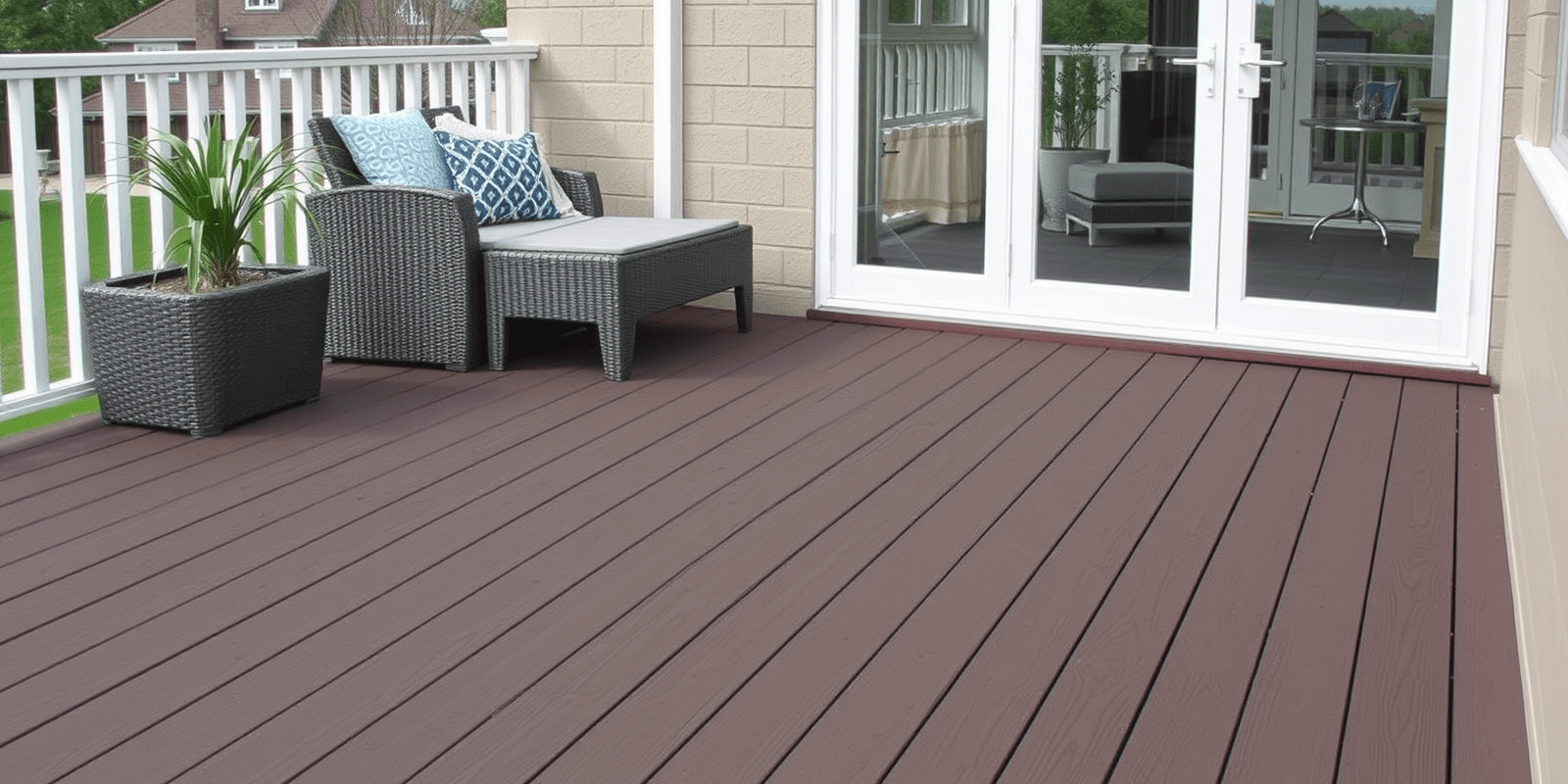
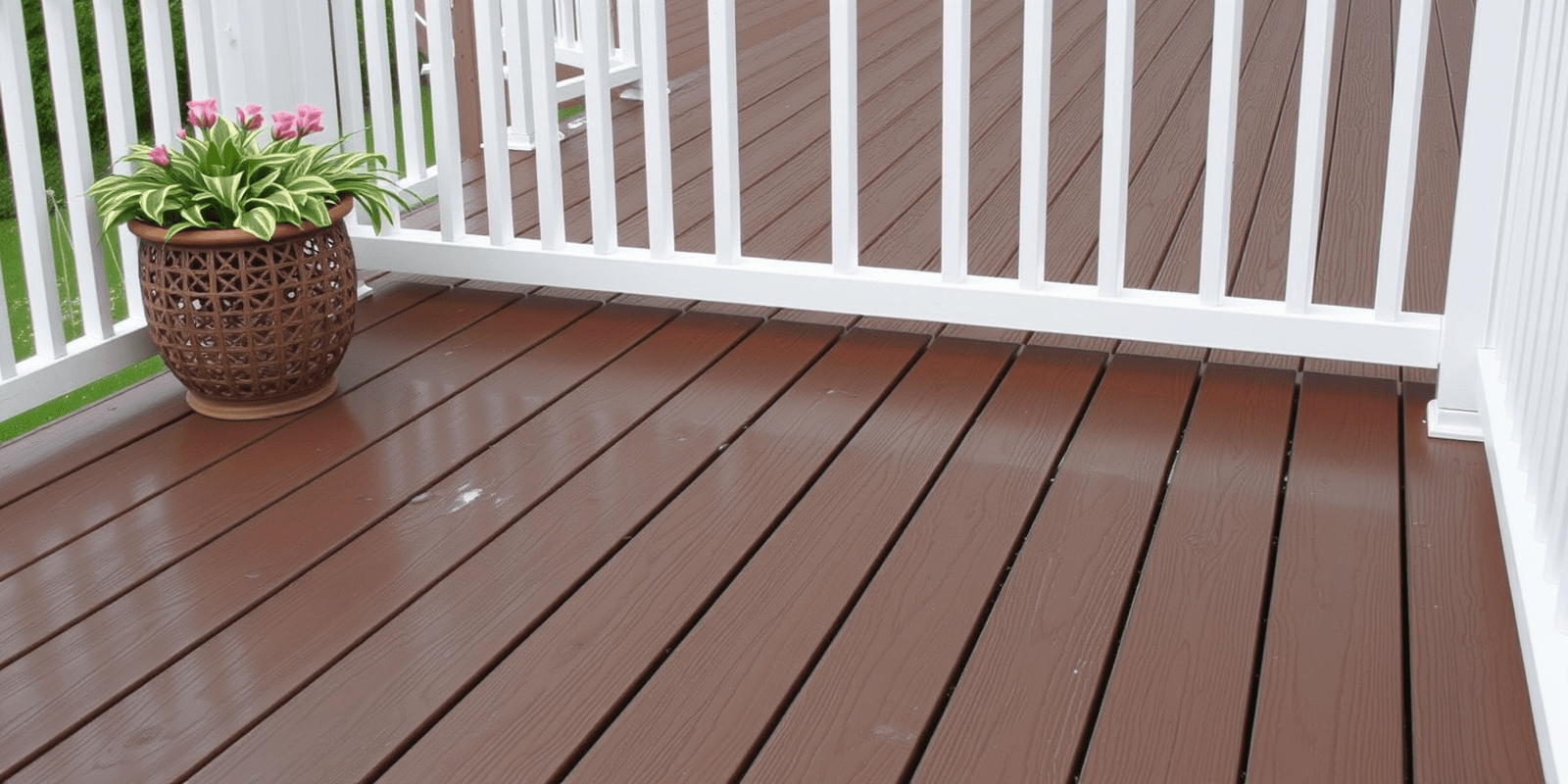
Water-repellent composite decking has revolutionized the outdoor living space, offering durability, low maintenance, and an eco-friendly alternative to traditional wood decks. This article delves into the scientific principles and manufacturing processes behind these innovative materials, compares them with conventional decking options, and explores their environmental impact. We’ll also highlight key innovations and future trends shaping the industry.
Understanding the Science Behind Water-Repellent Composite Decking
Composite decking is made from a combination of wood fibers and plastic resins, which are extruded and molded into boards. The inclusion of water-repellent additives, such as silicones or waxes, enhances the material’s ability to resist moisture absorption. These additives form a protective layer on the surface of the composite, preventing water molecules from penetrating the material (Smith, 2021).
Manufacturing Processes of Water-Repellent Composite Decking
The production process involves blending recycled wood fibers with high-density polyethylene (HDPE) or other thermoplastic resins. During the extrusion process, water-repellent agents are added to ensure uniform distribution throughout the material. The mixture is then heated and forced through a die to create the desired board shape. The final step involves cooling and curing the boards to achieve the required strength and stability (Johnson, 2022).
Comparison with Other Decking Materials
Traditional wooden decks require frequent maintenance, including sealing and staining to protect against moisture damage. In contrast, water-repellent composite decking offers superior resistance to rot, mold, and insects. Additionally, it requires minimal upkeep, making it a cost-effective and low-maintenance option for homeowners. While aluminum and PVC decks also offer water resistance, they lack the natural aesthetic appeal of composite materials (GreenDeck, 2023).
Environmental Impact
Water-repellent composite decking provides a sustainable solution by utilizing recycled materials and reducing deforestation. The use of HDPE, derived from post-consumer plastics, contributes to waste reduction and energy conservation. Moreover, the extended lifespan of composite decks reduces the need for frequent replacements, further minimizing environmental impact (EcoDeck, 2022).
Innovations and Future Trends
Recent advancements in composite technology have led to the development of ultra-durable and aesthetically pleasing products. Innovations such as slip-resistant surfaces and improved color retention enhance safety and longevity. As sustainability becomes increasingly important, manufacturers are focusing on developing biodegradable composites and exploring alternative feedstocks like bamboo and hemp (FutureDeck, 2023).
Conclusion
Water-repellent composite decking represents a significant advancement in outdoor living solutions, combining durability, low maintenance, and environmental responsibility. Its unique properties make it a preferred choice over traditional materials, while ongoing innovations continue to push the boundaries of what is possible in this field. As consumers become more conscious of their environmental footprint, the demand for sustainable decking options is expected to grow, driving further research and development in this exciting sector.
References
GreenDeck. (2023). Water-Repellent Composite Decking vs Traditional Materials.
EcoDeck. (2022). Environmental Impact of Composite Decking.
FutureDeck. (2023). Innovations in Water-Repellent Composite Decking.
“`