
“`html
Composite Wood Decking vs Traditional Options: What’s the Difference?
Introduction
In recent years, homeowners have increasingly turned to composite wood decking as an alternative to traditional wood types. While both options offer a beautiful outdoor living space, there are significant differences in terms of appearance, lifespan, ease of upkeep, and overall value for money. This article delves into these distinctions to help you make an informed decision about which option is best for your needs.
Appearance
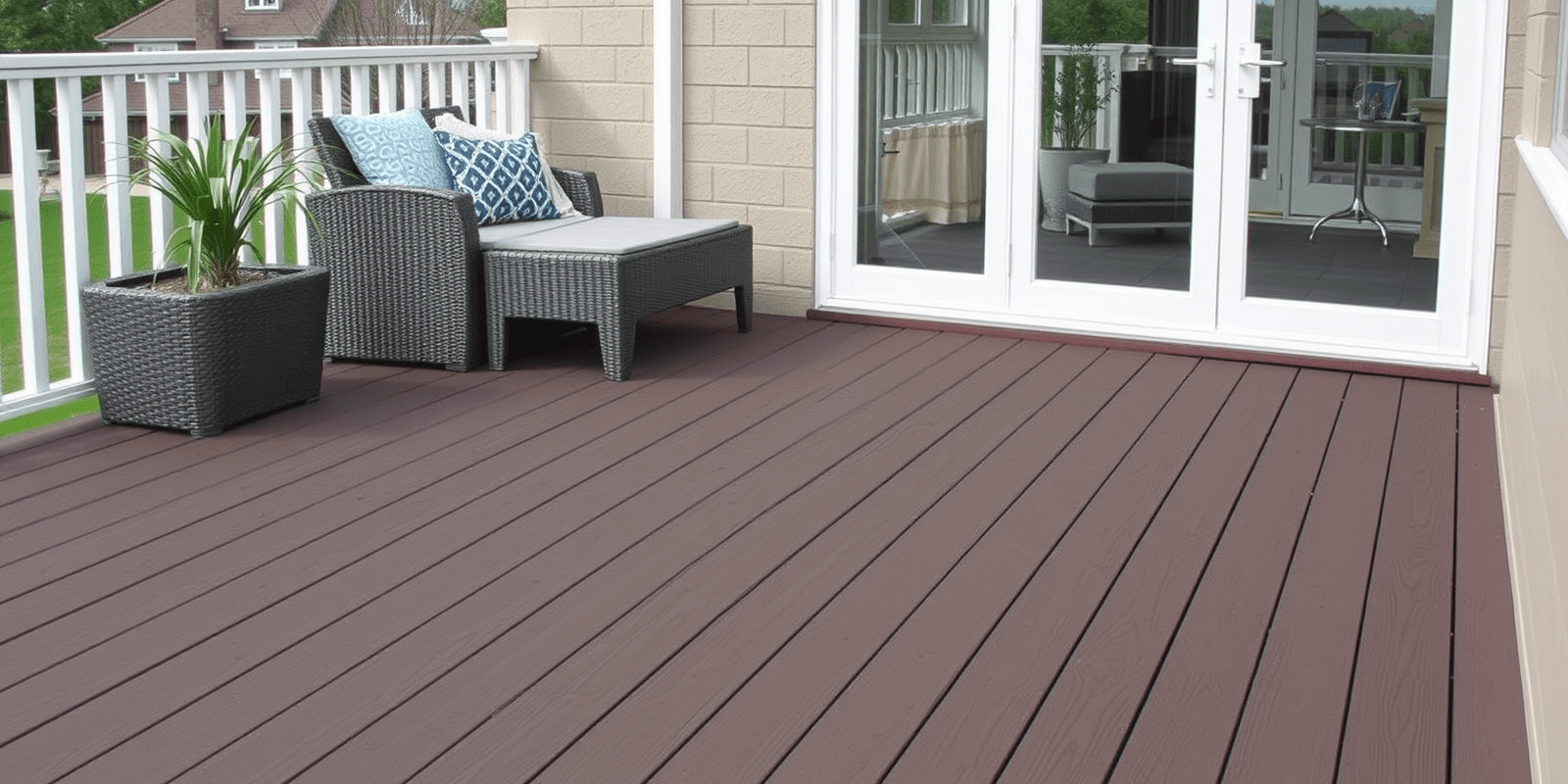
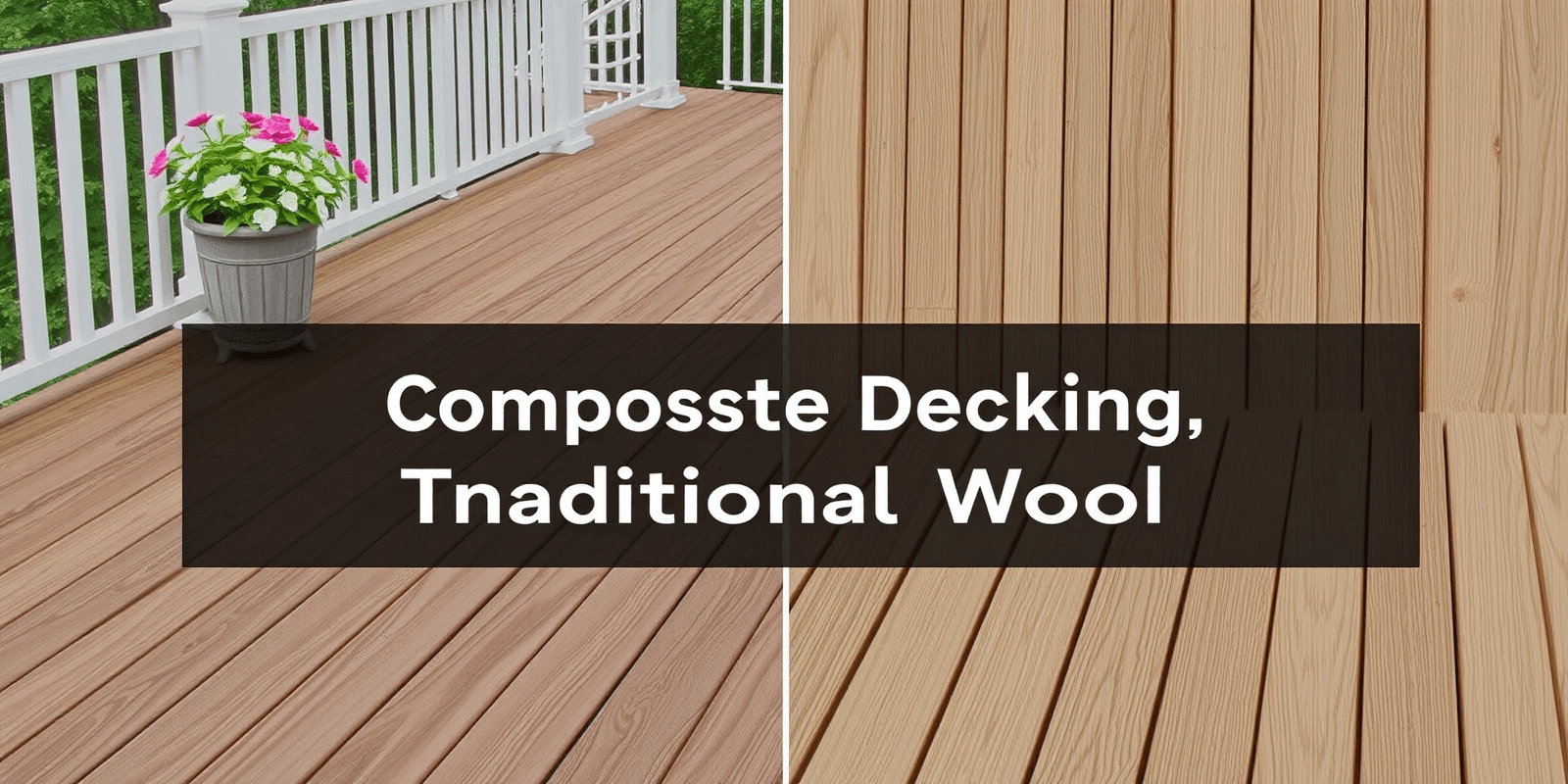
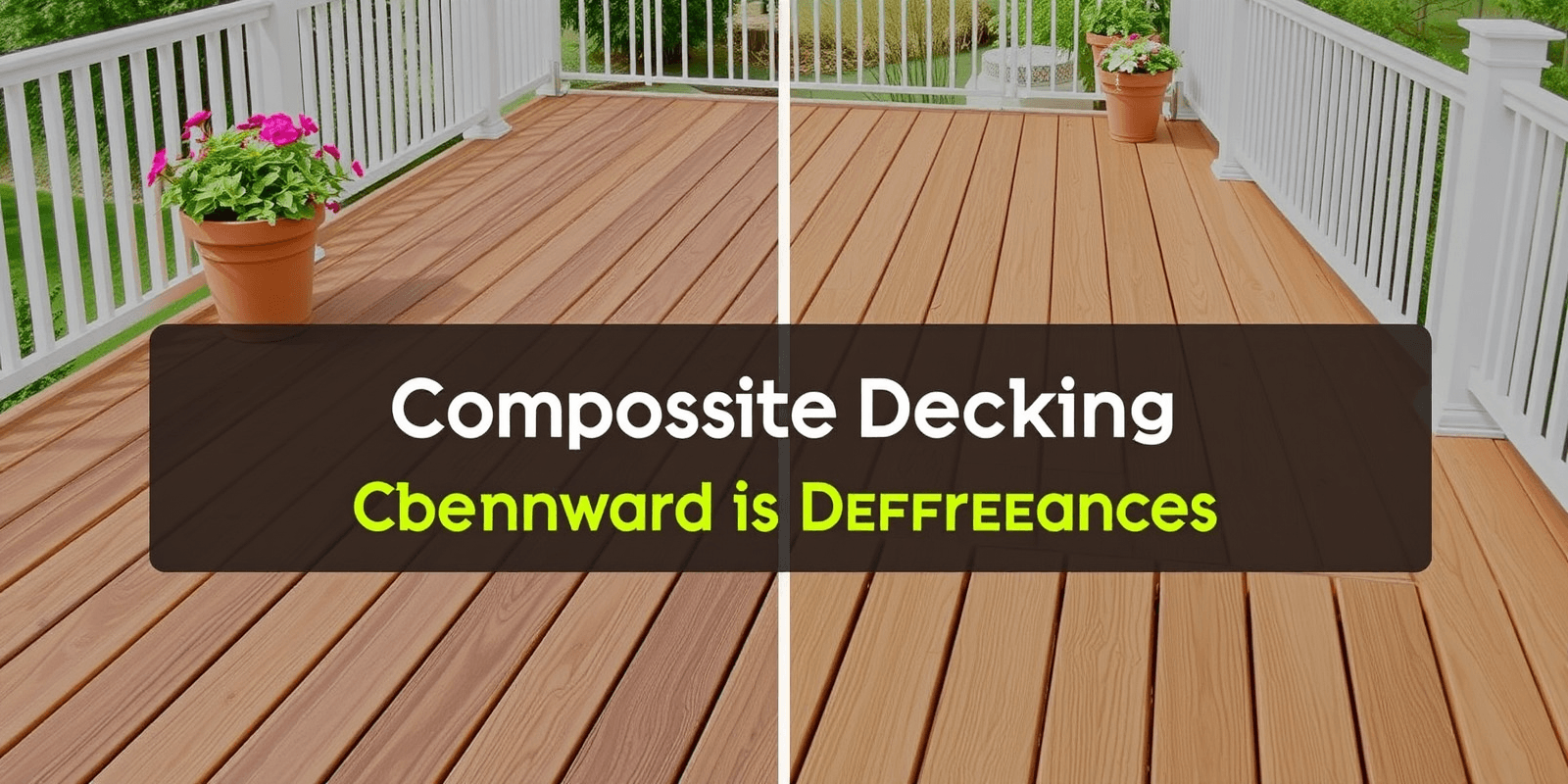
One of the most notable differences between composite wood decking and traditional wood types lies in their appearance. Composite wood decking is manufactured to mimic the natural look of wood, offering a wide range of colors and textures that can enhance the aesthetic appeal of any outdoor space. However, some homeowners might argue that the texture and grain of natural wood provide a more authentic and organic feel. Ultimately, the choice depends on personal preference and the desired ambiance of the deck.
Lifespan
When it comes to longevity, composite wood decking significantly outperforms traditional wood types. Composite materials are engineered to resist rot, decay, and insect damage, ensuring a longer lifespan with minimal maintenance. Traditional wood, on the other hand, requires regular treatment and care to prevent these issues, making it more susceptible to wear and tear over time. According to the Composite Panel Association (CPA), composite decks can last up to 25 years or more, compared to an average of 10-15 years for traditional wood decks.
Ease of Upkeep
Composite wood decking is celebrated for its low-maintenance requirements. Unlike traditional wood, which necessitates periodic sealing, staining, and sanding, composite materials require minimal effort to maintain their appearance. Regular cleaning with mild soap and water is usually sufficient to keep the deck looking pristine. In contrast, traditional wood decks demand more frequent and intensive upkeep to preserve their beauty and structural integrity.
Overall Value for Money
While the initial cost of composite wood decking is typically higher than traditional wood, the long-term savings in maintenance and replacement costs make it a more economical choice. The durability and resistance of composite materials mean fewer repairs and replacements over time, translating to greater value for money in the long run. Additionally, composite decks often increase property value due to their low-maintenance nature and extended lifespan.
Conclusion
Composite wood decking offers numerous advantages over traditional wood types, including superior appearance, extended lifespan, reduced upkeep, and better overall value for money. By understanding these key differences, homeowners can make a well-informed decision that aligns with their lifestyle and budget. Whether you prioritize aesthetics, durability, or convenience, composite wood decking provides a compelling option for enhancing your outdoor living space.
“`