

“`html
Where Shouldn’t You Use Composite Decking
Introduction
Composite decking has become increasingly popular due to its durability, low maintenance, and aesthetic appeal. However, it is not suitable for every environment. This article will discuss where composite decking should be avoided, particularly in areas prone to flooding or excessive moisture. We will explore how moisture affects the integrity and longevity of composite materials and provide examples of better-suited alternatives.
Potential Issues with Composite Decking in Moist Environments
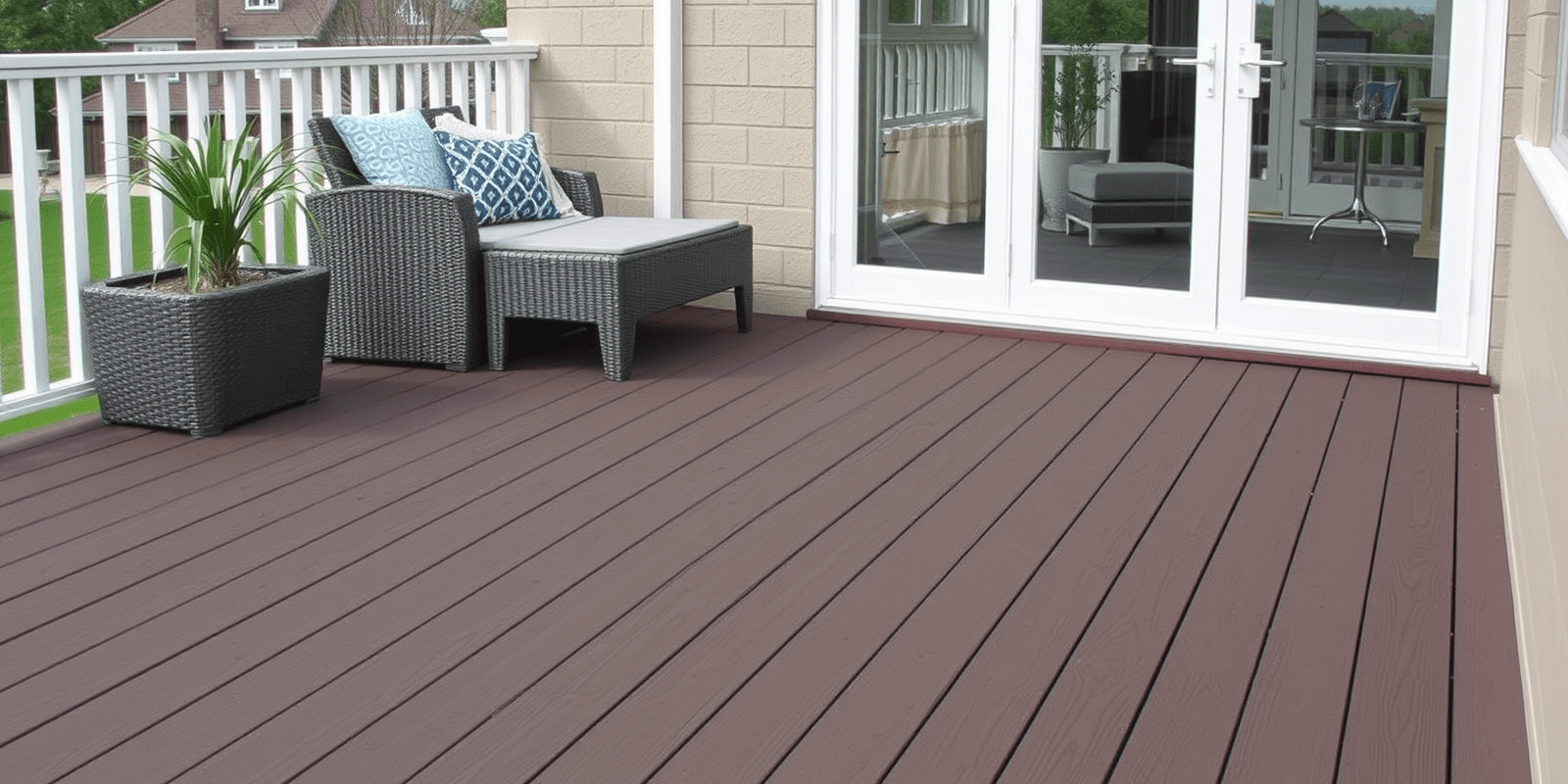
Composite decking is a blend of wood fibers and plastic, making it resistant to rot, decay, and insects. However, prolonged exposure to moisture can still compromise its structural integrity. In areas prone to flooding or excessive moisture, composite decking may experience issues such as swelling, warping, and delamination. These problems can reduce the lifespan and aesthetic appeal of the deck.
How Moisture Affects Composite Materials
Moisture absorption can lead to several issues in composite materials. When exposed to water, the wood fibers in composite decking can absorb moisture, causing the material to swell and warp. Over time, this can lead to delamination, where the layers of the composite begin to separate. Additionally, moisture can encourage fungal growth, which can further degrade the material’s integrity.
Better-Suited Materials for Moist Environments
For areas prone to flooding or excessive moisture, materials such as concrete, metal, or certain types of treated lumber are more suitable. Concrete decks offer unparalleled durability and resistance to moisture, while metal decks are lightweight and corrosion-resistant. Treated lumber, when properly maintained, can also withstand moist conditions effectively.
Practical Solutions for Moist Environments
While composite decking is generally not ideal for moist environments, there are ways to mitigate moisture-related issues. Proper drainage systems, regular inspections, and the use of moisture barriers can help protect composite decks from excessive water exposure. Additionally, choosing high-quality composite materials with advanced water-resistant properties can enhance their performance in damp conditions.
“`