
“`html
Which Saw Blade for Composite Decking
Introduction
In the realm of home improvement projects, composite decking has become a popular choice due to its durability and low-maintenance attributes. However, when it comes to cutting composite materials, choosing the right saw blade is crucial. The wrong blade can lead to poor cuts, excessive wear, and even damage to the material. This article delves into the characteristics of different saw blades, their compatibility with composite materials, and tips on selecting the appropriate blade based on your project requirements.
Characteristics of Different Types of Saw Blades
Different saw blades are designed for specific tasks and materials. For composite decking, you need a blade that can handle the unique properties of these materials while providing clean, precise cuts. Here’s an overview of some common types:
Carbide-Tipped Blades
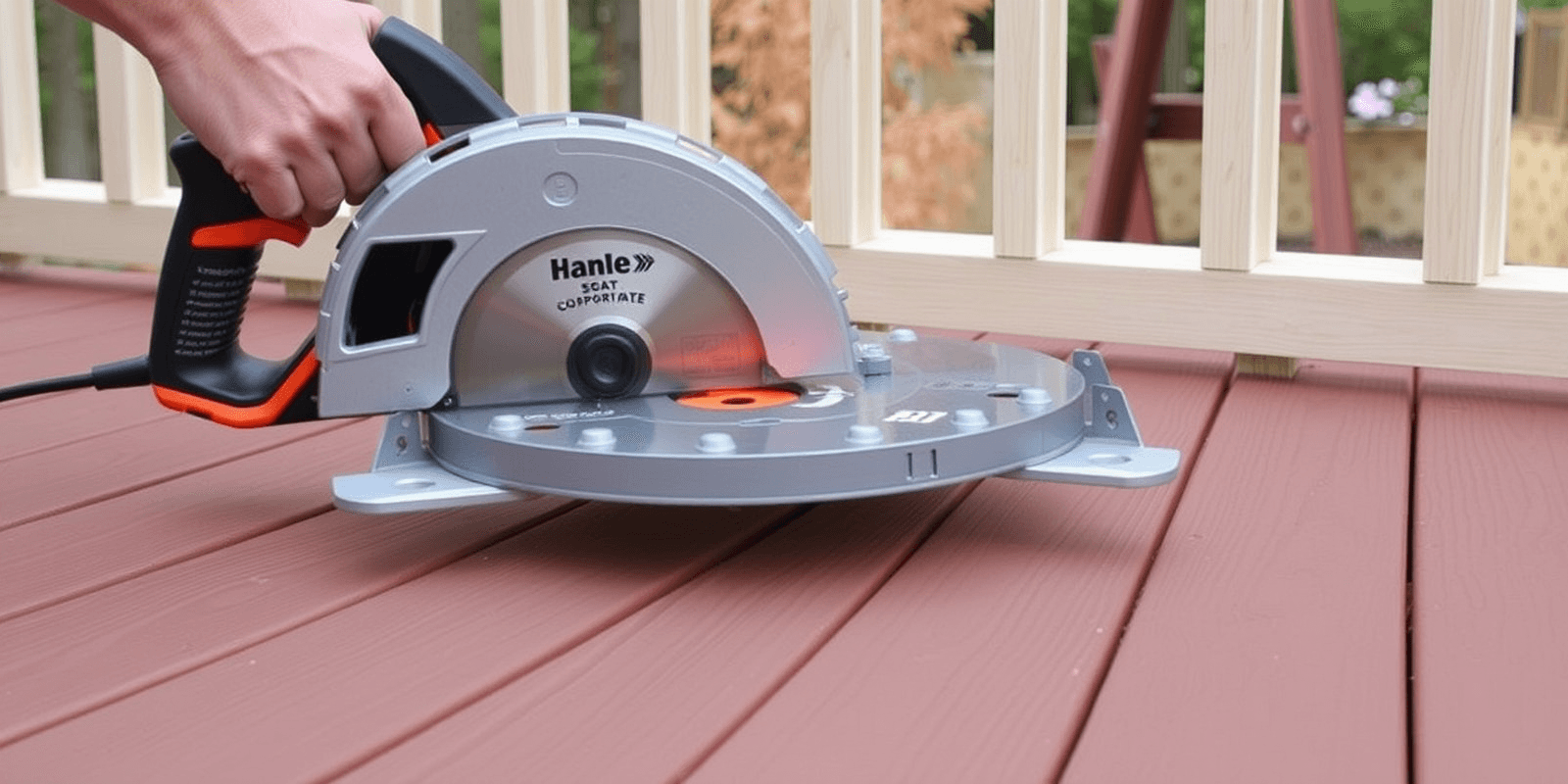
Carbide-tipped blades are known for their longevity and ability to cut through tough materials without dulling quickly. They are ideal for composite decking because they can handle the abrasive nature of composite materials. Look for blades with more teeth, as this will result in a smoother cut.
High-Speed Steel (HSS) Blades
HSS blades are less expensive than carbide-tipped blades but may not last as long when cutting composite materials. They are still effective, especially for occasional use or smaller projects. Choose HSS blades with a higher tooth count for better results.
Stainless Steel Blades
While stainless steel blades are durable, they are not typically recommended for composite materials due to their tendency to clog easily. However, some specialized stainless steel blades designed for composite cutting can be effective if they have the right design features.
Compatibility with Composite Materials
Composite decking materials are made from a combination of wood fibers and plastic, which makes them resistant to moisture, insects, and rot. When selecting a saw blade, consider the following factors:
- Tooth Count: A higher tooth count reduces friction and heat, leading to cleaner cuts. Aim for at least 60 teeth for composite materials.
- Material Thickness: Thicker composite boards require blades with larger kerf widths to prevent binding during the cut.
- Blade Design: Some blades feature alternate top bevel (ATB) or triple chip grind (TCG) designs, which are better suited for cutting composites by reducing tear-out and improving finish quality.
Tips on Choosing the Right Saw Blade
Selecting the right saw blade depends on the specifics of your project. Consider the following tips:
- Project Scope: For large-scale projects, invest in a high-quality carbide-tipped blade. For smaller jobs, an HSS blade might suffice.
- Cutting Speed: Composite materials can generate significant heat during cutting. Use a blade with good ventilation slots to dissipate heat effectively.
- Finishing Touches: If aesthetics matter, opt for a blade with a TCG or ATB design to minimize splintering and achieve a smooth edge.
Conclusion
Choosing the right saw blade for composite decking is essential for achieving professional-looking results. By understanding the characteristics of different blade types and considering factors like tooth count, material thickness, and blade design, you can select the best tool for your project. Remember, investing in a high-quality blade will save you time and effort in the long run, ensuring a clean, precise cut every time.
“`