
“`html
Capped Polymer vs. Capped Composite Decking: Choosing the Right Material
Introduction
When it comes to choosing the right material for your deck, two popular options are capped polymer and capped composite decking. Both materials offer durability and low maintenance, but they have distinct characteristics that make them suitable for different needs. This guide will help you understand the differences between capped polymer and capped composite decking, covering aspects such as installation process, warranty, color options, and potential drawbacks. By the end, you’ll be equipped with the knowledge to make an informed decision based on your individual requirements and preferences.
Understanding Capped Polymer Decking
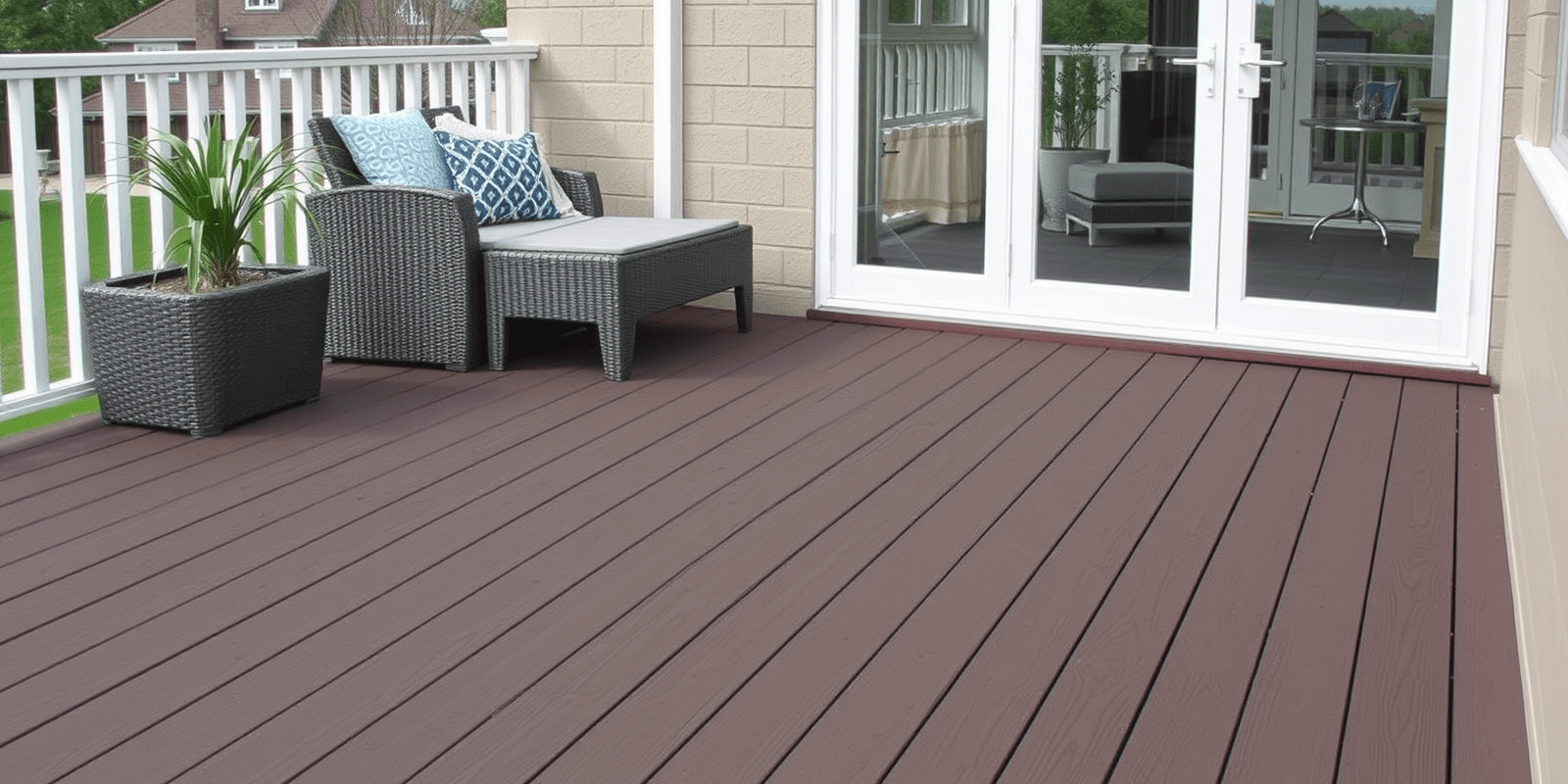
Capped polymer decking is made from a combination of polymers and resins, providing exceptional durability and resistance to moisture, stains, and fading. The “capping” process involves adding a protective layer over the core material, enhancing its longevity and appearance. Capped polymer decking is known for its uniform texture and consistent color, making it a popular choice for those seeking a low-maintenance option.
Installation Process
The installation process for both capped polymer and capped composite decking is relatively similar. However, capped polymer decking may require slightly more precision due to its uniformity. It is important to follow the manufacturer’s guidelines closely to ensure proper installation. Both materials can be cut, drilled, and fastened using standard tools, but capped polymer may require specific fasteners to avoid splitting.
Warranty
Both capped polymer and capped composite decking come with warranties that protect against manufacturing defects and certain performance issues. Capped polymer decking typically offers longer warranties, often ranging from 20 to 25 years, compared to the 15 to 20 years offered by capped composite decking. The longer warranty period reflects the enhanced durability of capped polymer materials.
Color Options and Aesthetics
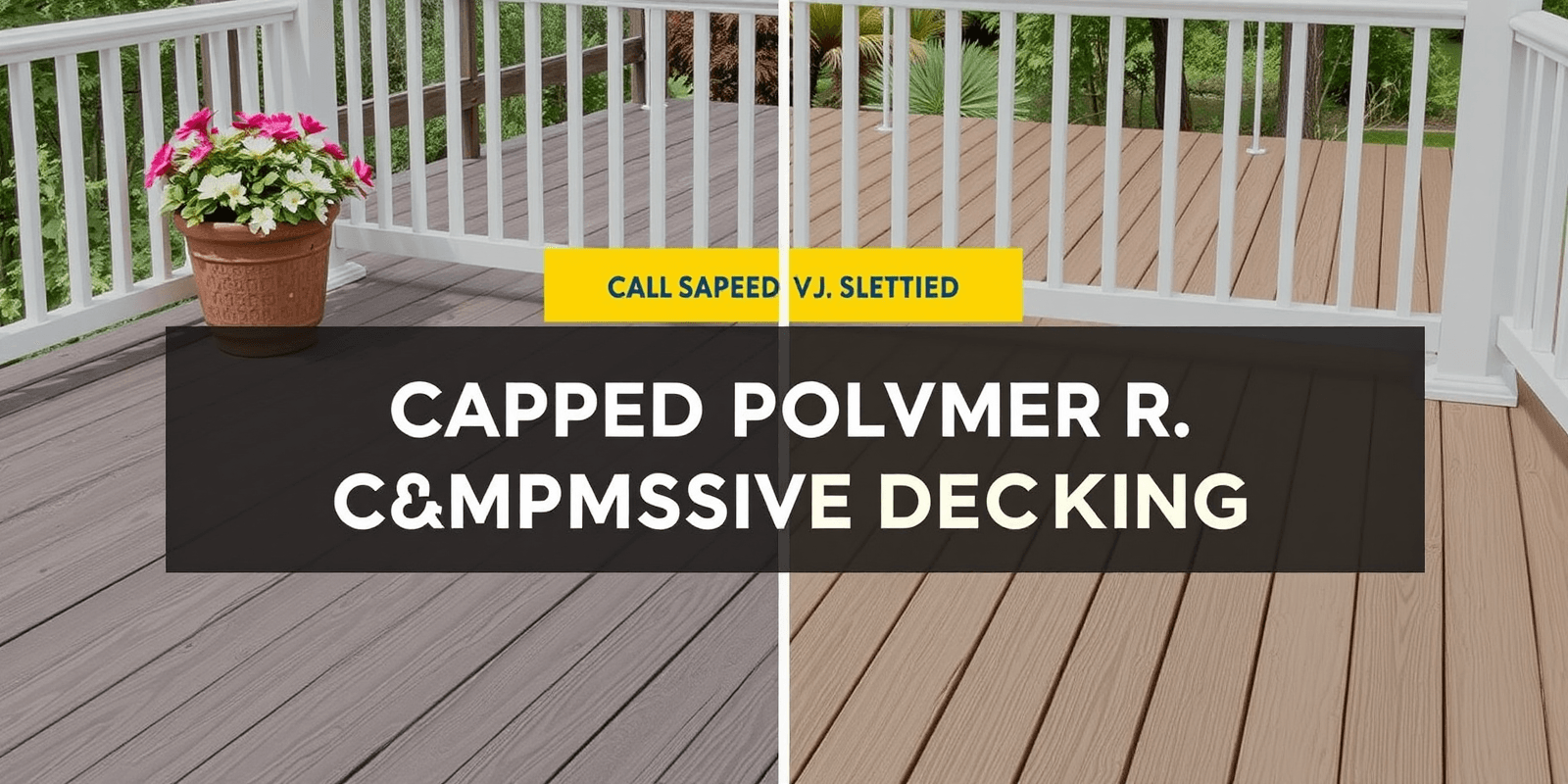
One of the key differences between the two materials lies in their color options and aesthetics. Capped composite decking is available in a wider range of colors and wood-grain patterns, offering a more natural look. Capped polymer decking, while still available in various colors, tends to have a more uniform and consistent appearance, which some homeowners prefer for its modern aesthetic. Consider your personal style and the overall design of your home when choosing between these options.
Potential Drawbacks
While both materials have their advantages, they also come with potential drawbacks. Capped polymer decking can be more expensive than capped composite decking, especially if you opt for higher-end brands. Additionally, it may not be as easy to find in local hardware stores, requiring special ordering. On the other hand, capped composite decking may experience slight fading over time and can be more prone to scratches and dents, although these issues are generally minimal with proper care.
Practical Tips for Making an Informed Choice
When deciding between capped polymer and capped composite decking, consider the following factors:
- Budget: Assess your budget and weigh the long-term cost benefits of each material.
- Maintenance Preferences: If low maintenance is a priority, capped polymer might be the better choice.
- Aesthetic Goals: Decide whether you prefer a more natural wood-like appearance or a modern, uniform look.
- Local Availability: Check the availability of both materials in your area to ensure you can source them easily.
Conclusion
Choosing between capped polymer and capped composite decking ultimately depends on your individual needs and preferences. Capped polymer offers superior durability and a modern aesthetic, while capped composite provides a wider range of color options and a more natural appearance. By considering factors such as budget, maintenance requirements, and aesthetic goals, you can make an informed decision that best suits your lifestyle and enhances the beauty of your outdoor space.
“`