

“`html
Which is Better: Composite vs Vinyl Decking
Introduction
In recent years, homeowners have increasingly turned to synthetic materials for their deck building needs. Two popular choices are composite and vinyl decking. Both materials offer unique benefits and drawbacks, making it challenging to decide which one is better. This article will compare the durability, maintenance requirements, cost-effectiveness, aesthetics, and environmental impact of composite and vinyl decking materials, helping you make an informed decision.
Durability
Composite decking is made from a blend of wood fibers and plastic, while vinyl decking is entirely synthetic. According to Deck Your Home, composite decking is more resistant to scratches and dents than vinyl, which can become brittle over time, especially in colder climates. However, both materials are highly durable and can withstand harsh weather conditions.
Maintenance Requirements
Vinyl decking requires minimal maintenance compared to composite decking. It does not require sealing or staining and is easy to clean with soap and water. Composite decking, on the other hand, requires periodic cleaning and sealing to prevent fading and staining. However, advancements in composite technology have led to products that require less maintenance than before. For instance, TimberTech’s ZEN collection features a surface that resists stains and fading, reducing the need for regular maintenance.
Cost-Effectiveness
The initial cost of vinyl decking is generally lower than composite decking. However, over time, the cost-effectiveness of composite decking may outweigh that of vinyl due to its longevity and reduced maintenance requirements. A study by Family Handyman found that composite decking typically lasts longer than vinyl, resulting in fewer replacement costs over time.
Aesthetics
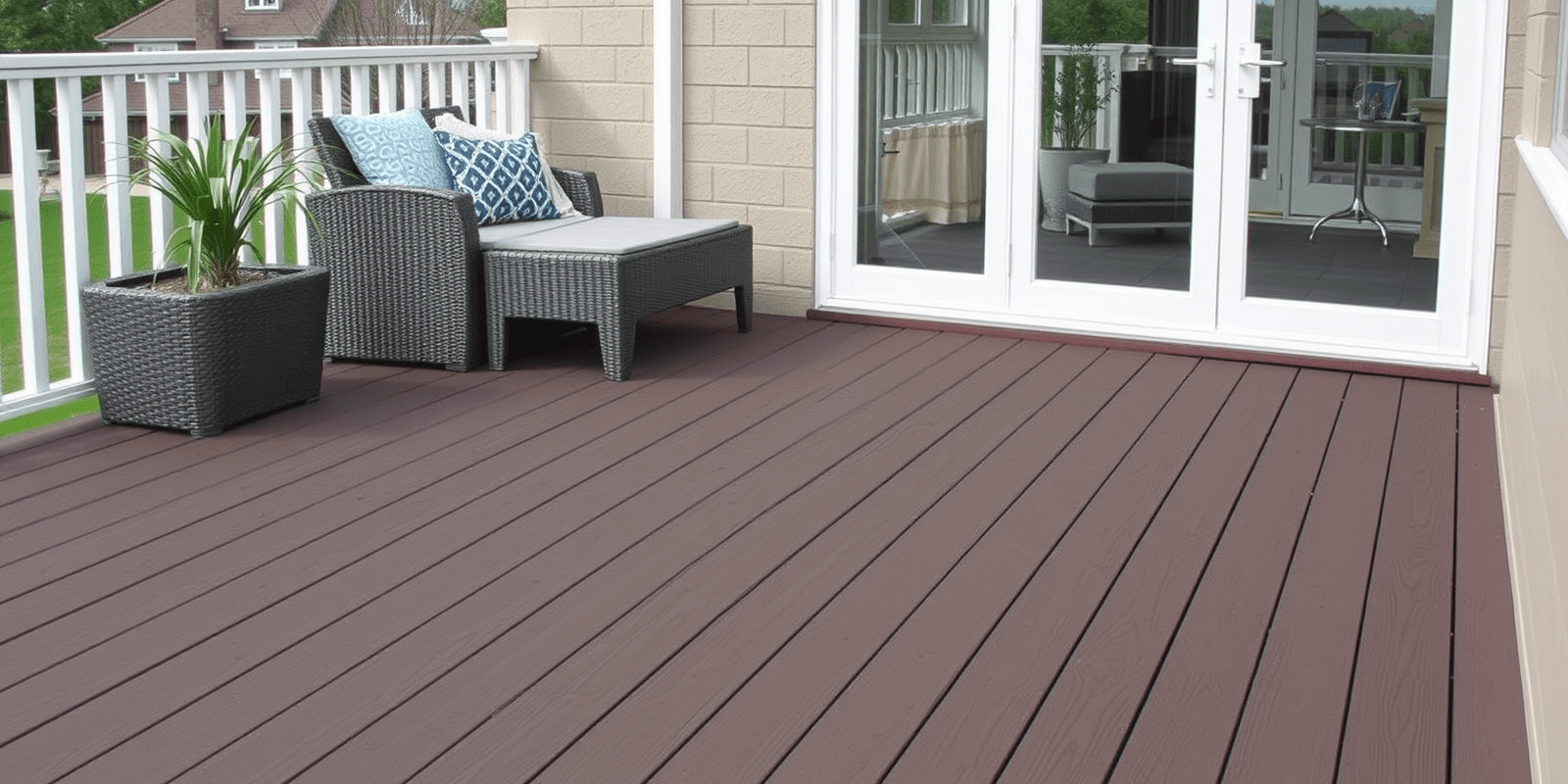
Composite decking offers a more natural appearance, resembling real wood, whereas vinyl decking has a more uniform and plastic-like look. However, advancements in composite technology have resulted in products that mimic the texture and color of natural wood, providing a more authentic aesthetic. For example, Trex’s Enhance series comes in various colors and textures, allowing homeowners to choose a design that best suits their preferences.
Environmental Impact
Both composite and vinyl decking materials have a lower environmental impact compared to traditional wood decking. Composite decking is made from recycled materials, such as plastic bottles and wood fibers, reducing waste in landfills. Vinyl decking is also recyclable, although recycling facilities for vinyl are not as widely available as those for composite materials. According to Green Building Advisor, composite decking is often considered more eco-friendly due to its use of recycled materials.
Conclusion
When deciding between composite and vinyl decking, consider your priorities regarding durability, maintenance, cost, aesthetics, and environmental impact. Composite decking offers a more natural appearance and requires less maintenance over time, making it a cost-effective choice in the long run. Vinyl decking, on the other hand, is initially less expensive and requires minimal upkeep, but it may not last as long as composite decking. Ultimately, the choice depends on your specific needs and preferences.
“`