
“`html
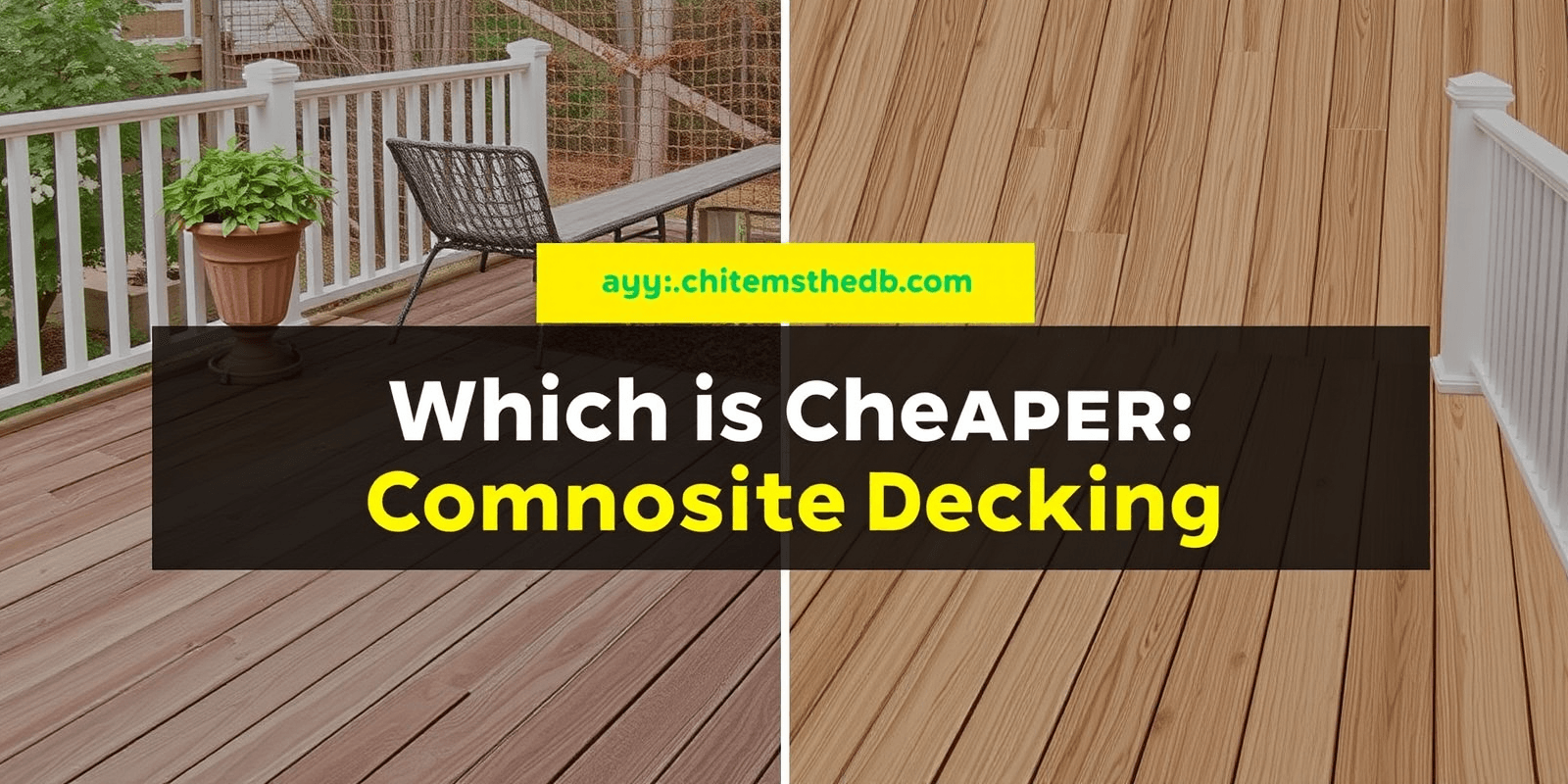
Which is Cheaper: Composite or Wood Decking?
In deciding between composite and wood decking, one of the primary considerations is cost. This article breaks down the expenses associated with both materials, including installation, maintenance, and potential resale value. We’ll also discuss the pros and cons of each material from an economic perspective.
Introduction to Composite and Wood Decking
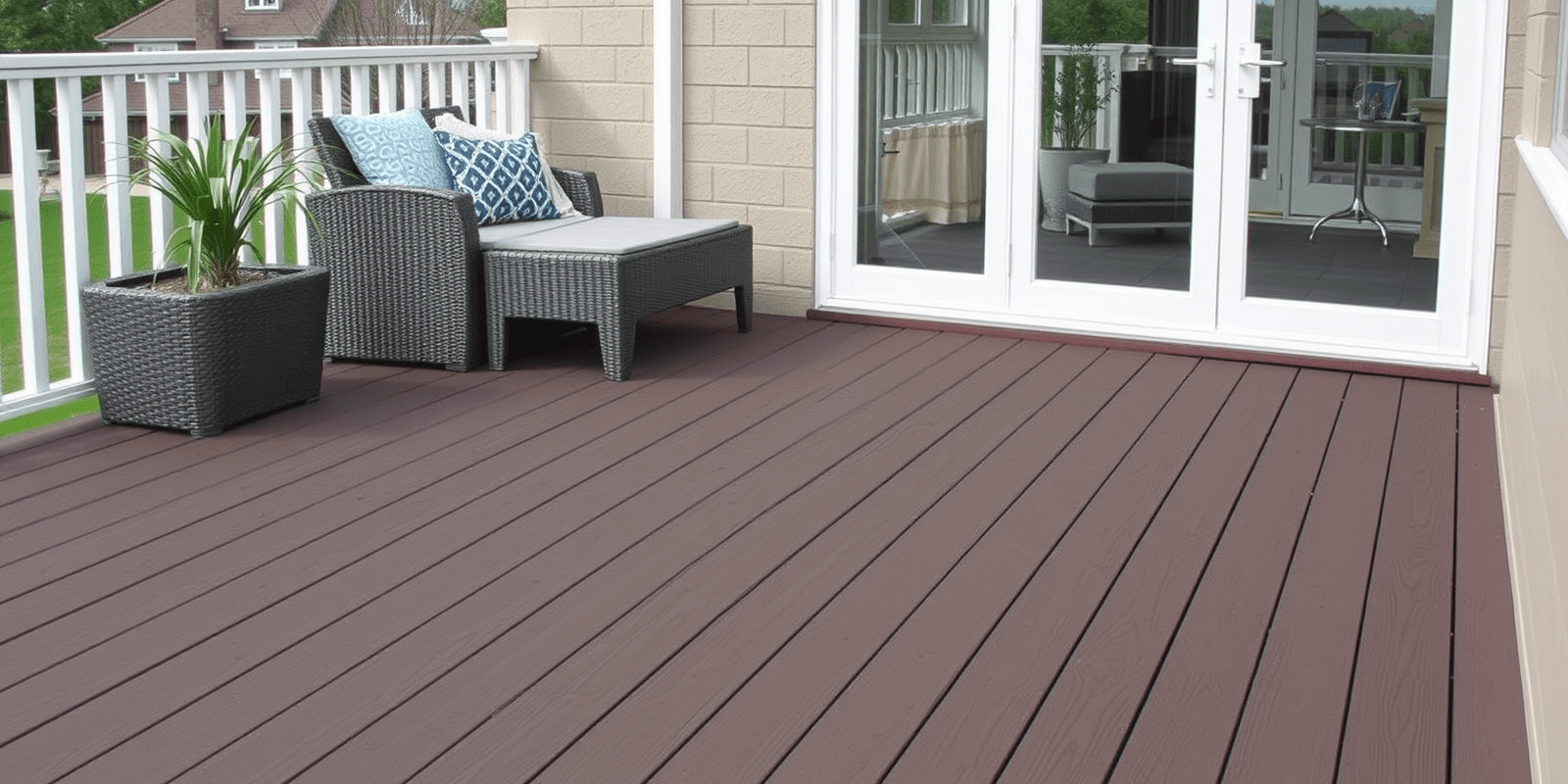
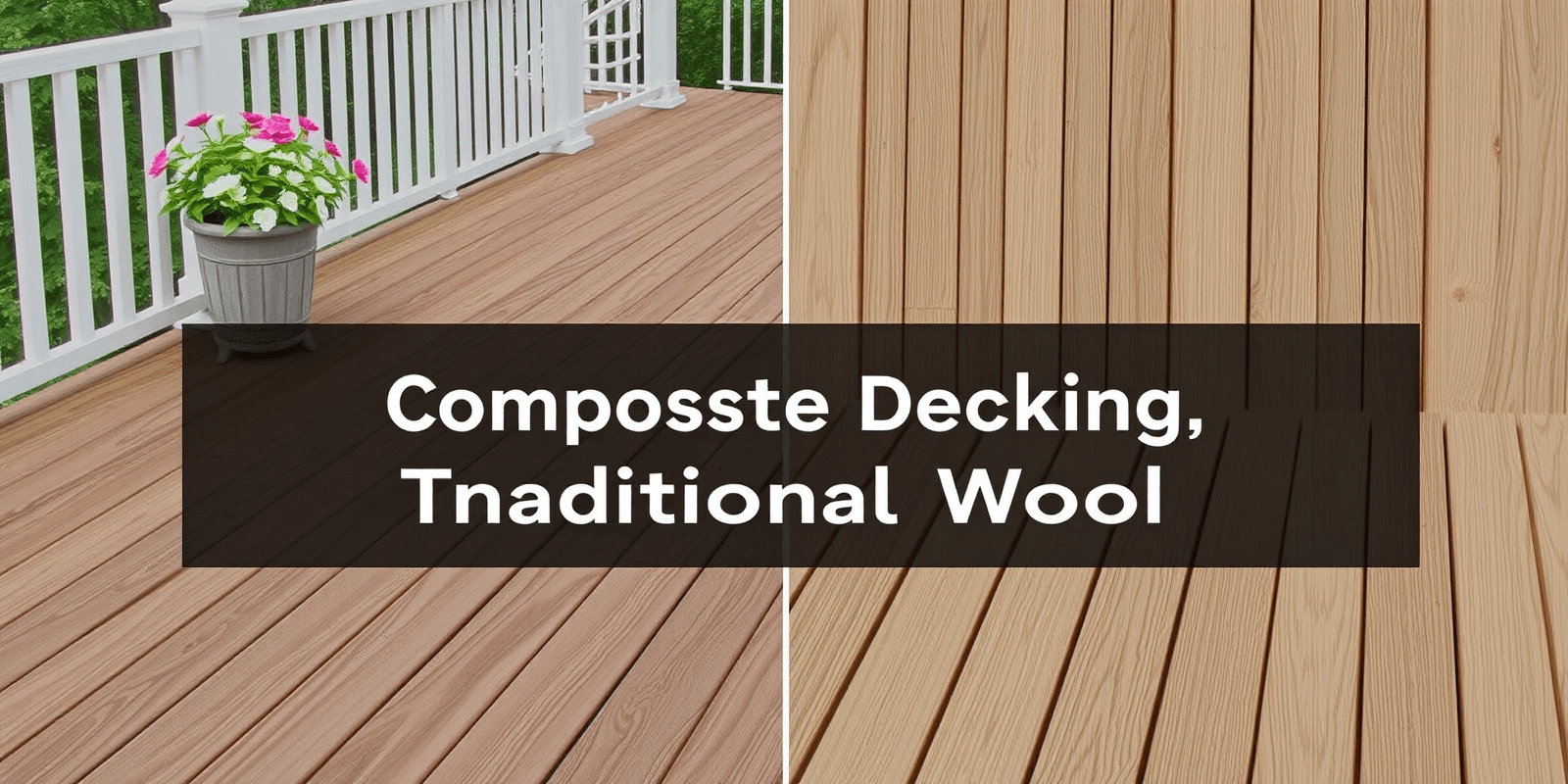
Composite decking and wood decking are two popular options for outdoor living spaces. While both materials have their advantages, the cost difference can be significant. Understanding these differences is crucial for making an informed decision that aligns with your budget and long-term goals.
Cost Breakdown: Installation
The initial cost of installing a deck includes materials and labor. According to HomeAdvisor, the average cost of a wood deck is $1,500 to $2,500 per 100 square feet, while composite decks typically range from $2,000 to $3,500 per 100 square feet. The higher price of composite decking is due to its more durable nature and easier installation process.
Maintenance Costs
Maintenance is a significant factor in the overall cost of a deck. Wood decks require regular sealing and staining every 1-3 years to protect against moisture and decay. This can add up over time. Composite decks, on the other hand, are more resistant to weathering and require minimal maintenance, typically only needing occasional cleaning.
Potential Resale Value
When it comes to selling your home, both types of decks can add value. However, according to Zillow, composite decks may provide a higher return on investment (ROI) compared to wood decks. The ROI for composite decks is around 70%, while wood decks typically offer an ROI of about 50-60%.
Economic Pros and Cons
Wood Decking
Pros:
- Lower initial cost
- Can be stained or painted to match aesthetic preferences
Cons:
- Higher maintenance costs over time
- Shorter lifespan, requiring replacement sooner
Composite Decking
Pros:
- Lower maintenance costs
- Longer lifespan, reducing the need for replacements
- Higher resale value
Cons:
- Higher initial cost
- Less customizable appearance
Conclusion
When considering which is cheaper, composite or wood decking, it’s essential to look beyond the initial cost. While wood decking might seem more affordable upfront, the long-term maintenance and replacement costs can outweigh the savings. Composite decking, despite its higher initial investment, offers lower maintenance, longer lifespan, and potentially higher resale value, making it a more economical choice in the long run.
References
HomeAdvisor. “How Much Does It Cost To Build A Deck?”. https://www.homeadvisor.com/r/how-much-does-it-cost-to-build-a-deck/
Zillow. “Deck Return on Investment”. https://www.zillow.com/advice-decor/deck-return-on-investment/
“`