
“`html
Which is Better: PVC Decking or Composite Decking?
Introduction
In the world of outdoor living spaces, choosing the right decking material is crucial. Both PVC (Polyvinyl Chloride) and composite decking materials offer unique benefits that cater to different homeowner needs. This article delves into a comprehensive comparison of PVC and composite decking, analyzing their durability, maintenance requirements, cost-effectiveness, aesthetics, and environmental impact.
Material Durability
When it comes to durability, both PVC and composite decking materials excel but in different ways. PVC decking is known for its resistance to moisture, insects, and rot. It does not absorb water, which means it won’t warp, swell, or decay over time. On the other hand, composite decking is made from a mixture of wood fibers and plastic, offering a balance between natural wood appearance and synthetic durability. Composite decking is also resistant to moisture and insects, but it can be prone to fading if exposed to direct sunlight for extended periods.
Maintenance Requirements
Maintenance is a significant consideration when selecting decking materials. PVC decking requires minimal upkeep; it doesn’t need sealing or staining, and cleaning can be as simple as rinsing with water. However, it can become slippery when wet, posing a safety hazard. Composite decking, while requiring occasional cleaning, can fade and develop surface scratches over time. Regular sweeping and periodic power washing are recommended to maintain its appearance.
Cost-Effectiveness
The upfront costs of PVC and composite decking can vary significantly. Generally, composite decking tends to be more expensive due to its higher quality and longer lifespan. However, PVC decking often has lower maintenance costs over time, potentially offsetting the initial price difference. Homeowners should consider the long-term financial implications based on their specific needs and budget constraints.
Aesthetics
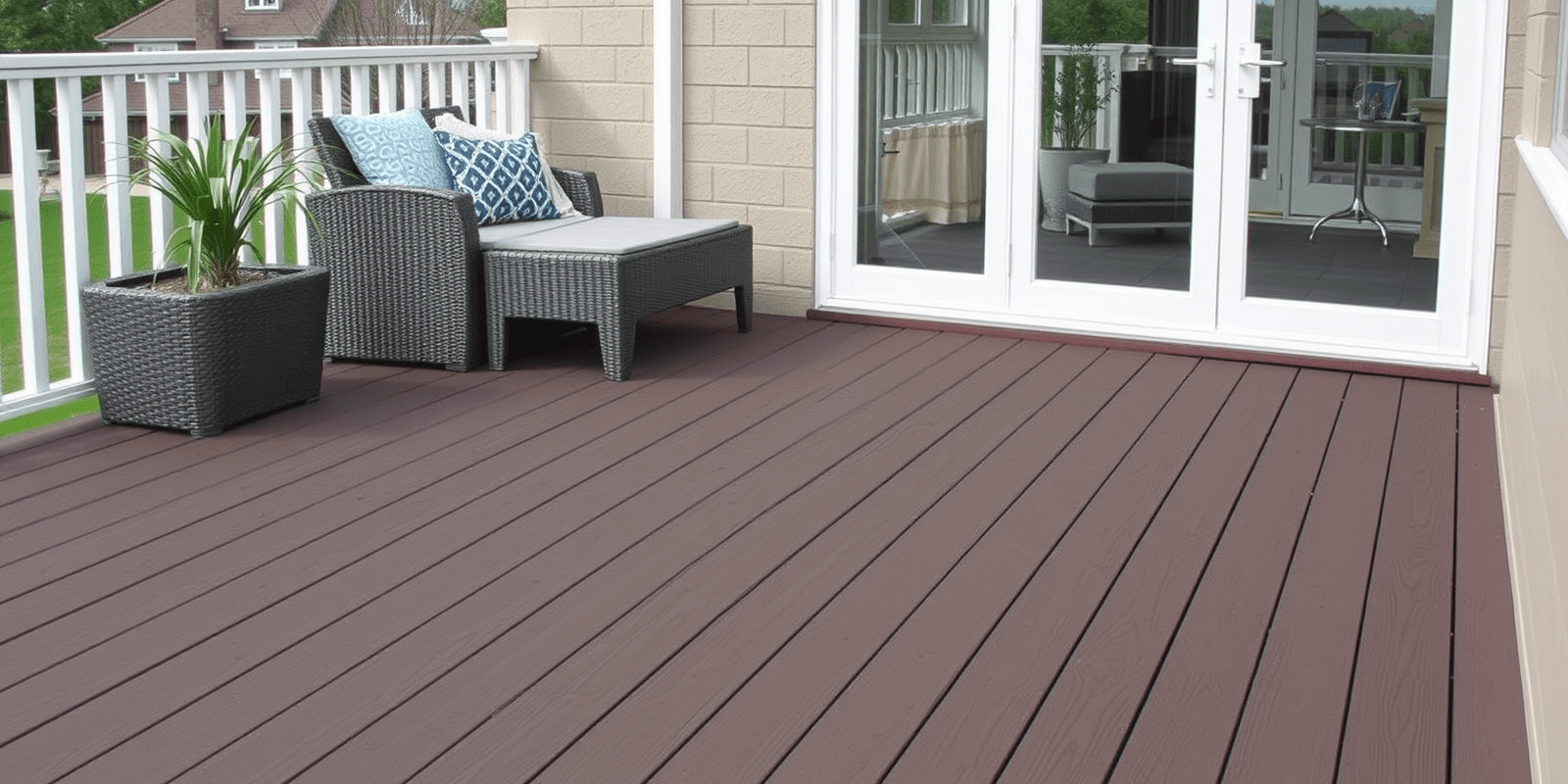
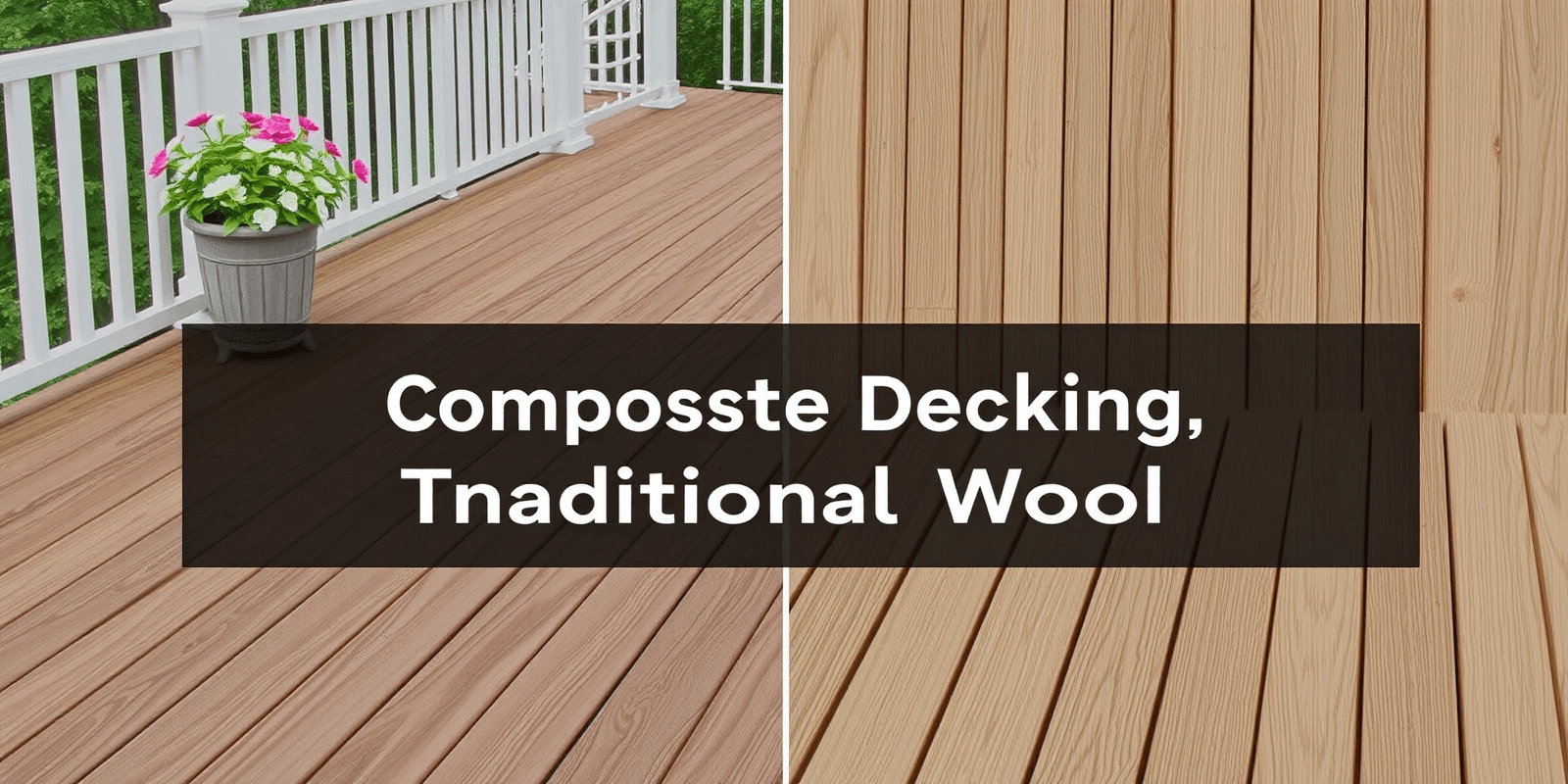
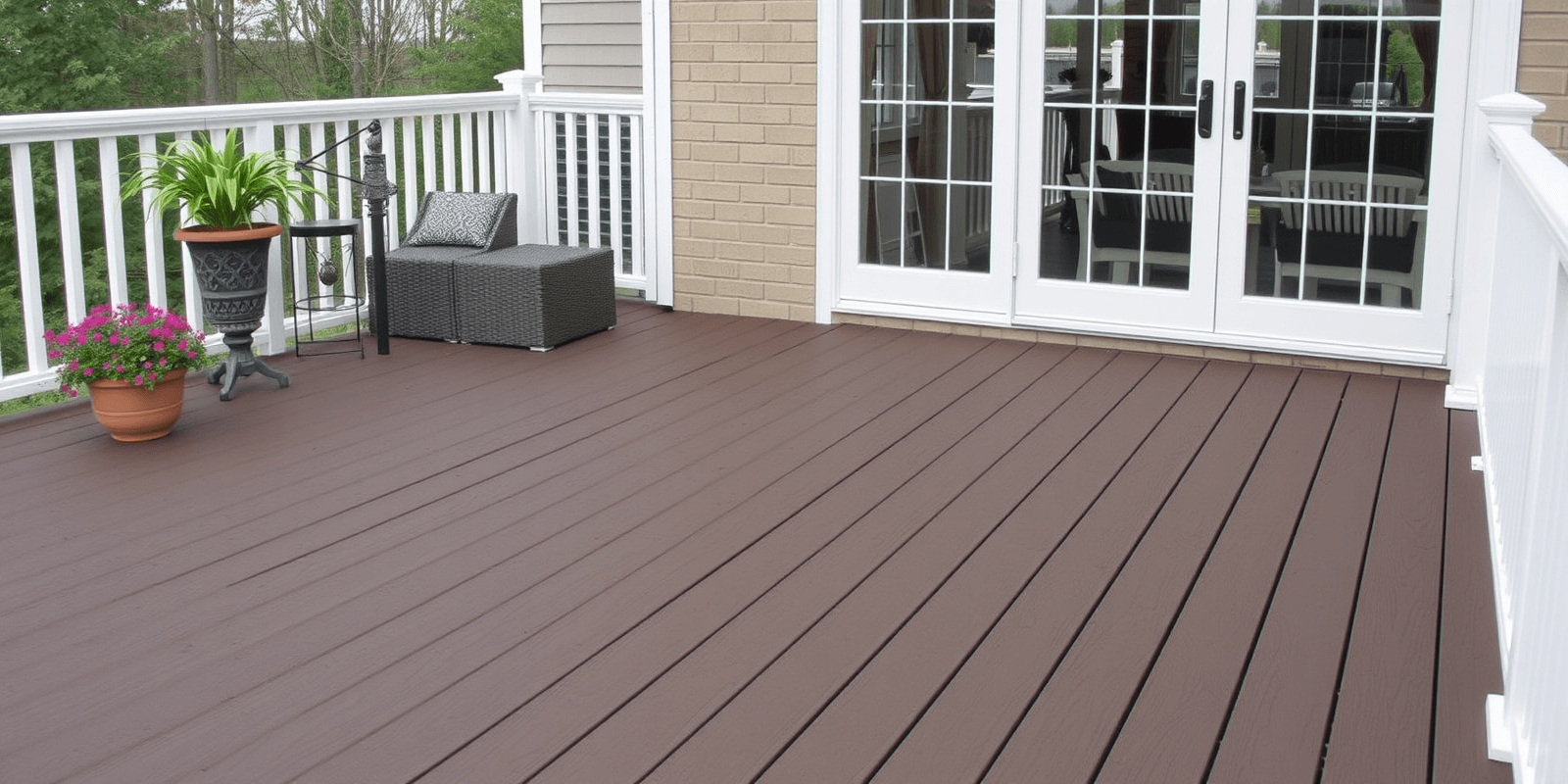
Aesthetic appeal is subjective, but both materials offer distinct visual options. PVC decking is available in various colors and finishes, allowing homeowners to match their deck to their home’s exterior. Composite decking, on the other hand, offers a more natural wood-like appearance, with grains and textures that mimic real wood. The choice here depends on whether you prefer a sleek, modern look or a traditional wooden aesthetic.
Environmental Impact
Both PVC and composite decking have varying environmental impacts. PVC decking is made entirely from synthetic materials and is recyclable at the end of its life. However, the production process involves the use of harmful chemicals. Composite decking, made from recycled wood fibers and plastics, can be seen as a more eco-friendly option due to its use of recycled materials. However, its production still requires significant energy input.
Conclusion
Deciding between PVC and composite decking ultimately depends on your priorities. If you prioritize low-maintenance and slip-resistant surfaces, PVC might be the better choice. For those who value a natural wood appearance and sustainability, composite decking could be the way to go. Understanding these factors will help you make an informed decision that aligns with your lifestyle and environmental values.
“`