
“`html
Who Invented Composite Decking?
Introduction
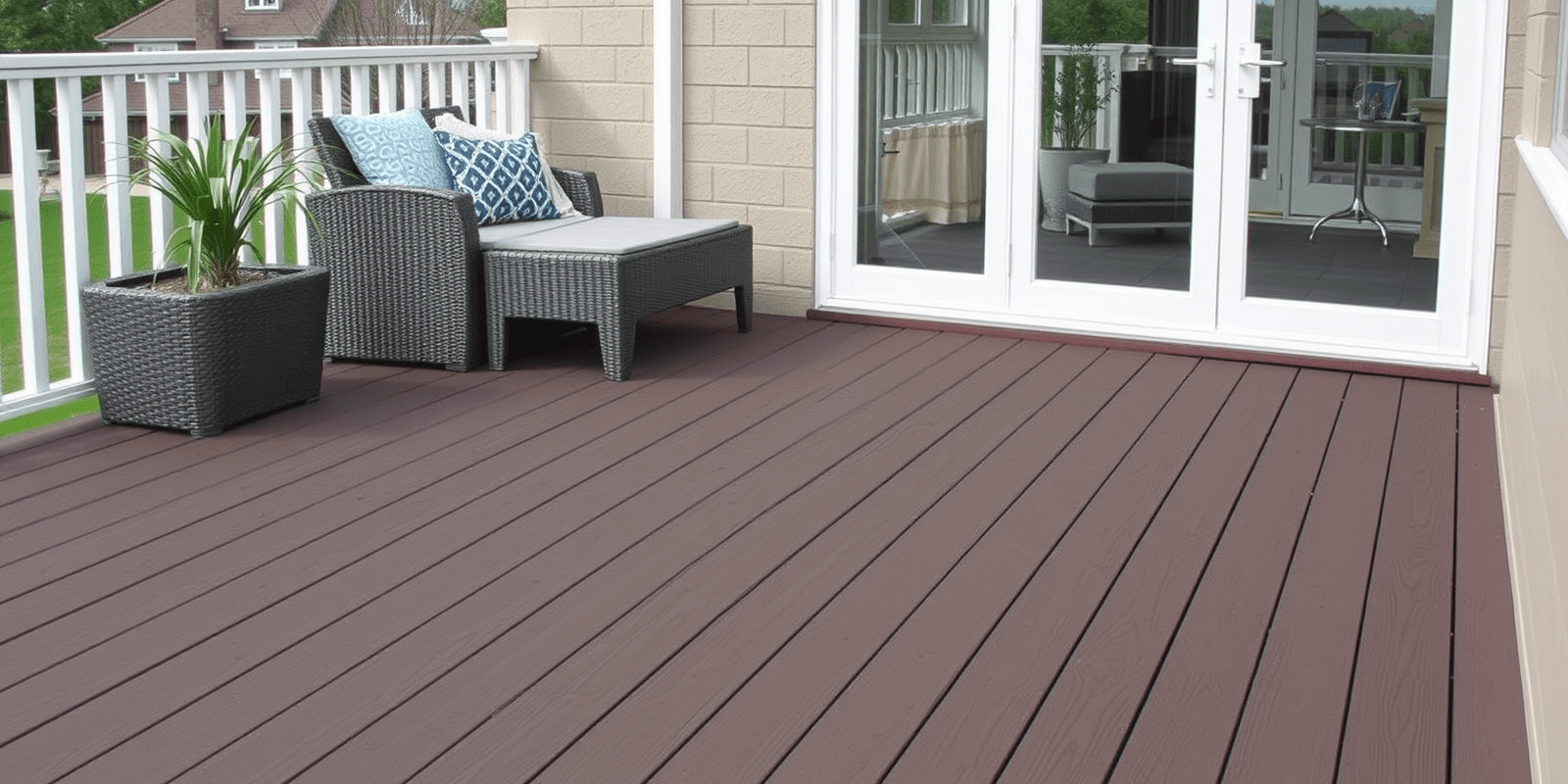
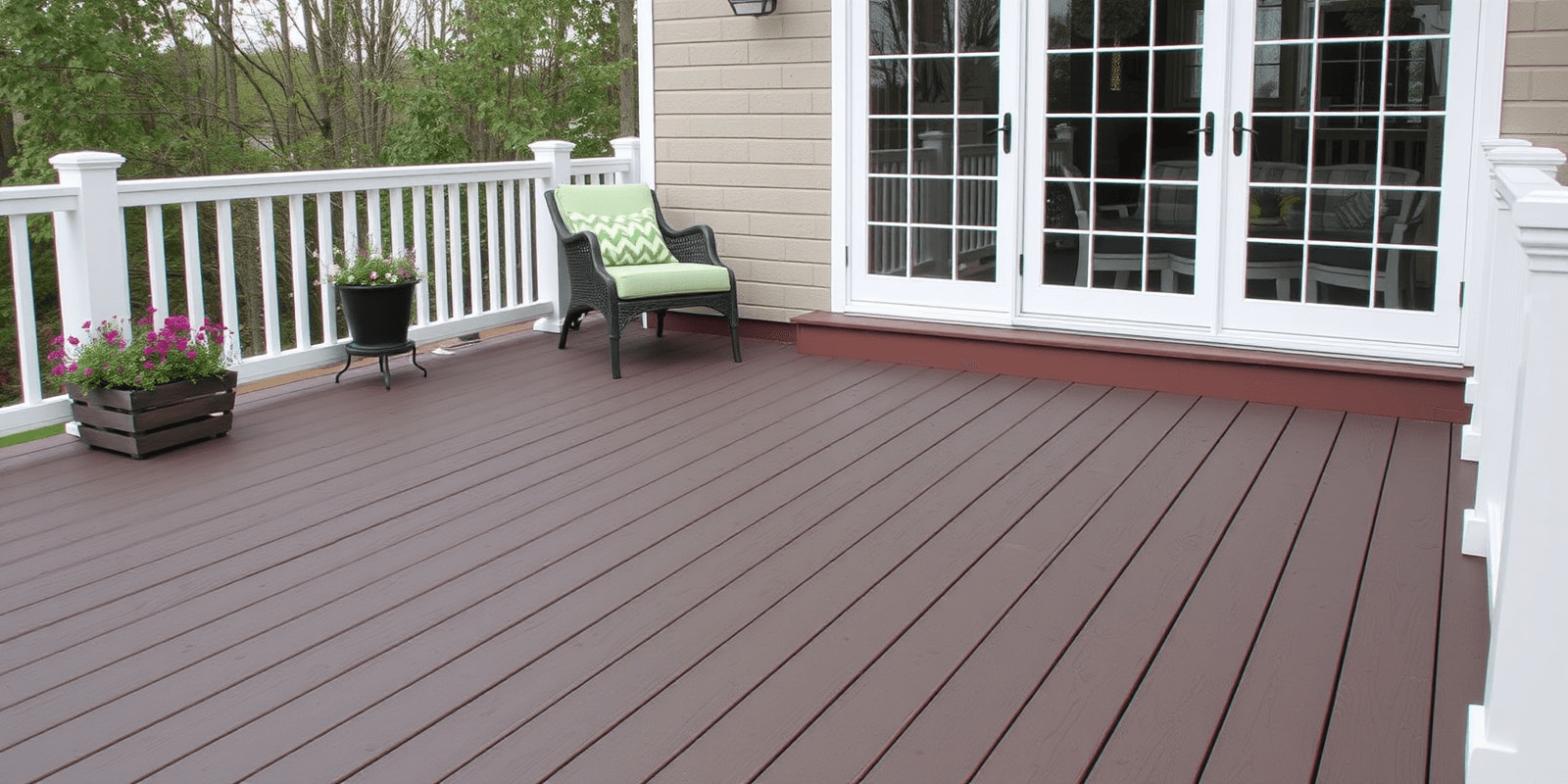
Composite decking has become a popular choice for homeowners and landscapers looking to enhance their outdoor spaces. This durable and low-maintenance material is a far cry from traditional wood decking, which requires frequent maintenance and replacement. The invention of composite decking not only revolutionized the home improvement industry but also had a significant impact on landscaping practices worldwide.
The Inventor: Daniel G. Dolan Jr.
While the concept of composite materials dates back several decades, the specific invention of composite decking is attributed to Daniel G. Dolan Jr., who co-founded Fiberon, one of the leading manufacturers of composite decking. Dolan’s vision was to create a product that combined the beauty of wood with the durability and longevity of plastic, thereby addressing many of the common issues associated with traditional wood decks.
Dolan’s journey to developing composite decking was not without its challenges. One of the primary hurdles was finding the right combination of materials that would provide the desired strength, appearance, and resistance to weathering and pests. Through extensive research and experimentation, Dolan and his team eventually developed a formula that incorporated recycled wood fibers and high-density polyethylene (HDPE), a type of plastic commonly used in milk jugs and detergent bottles.
Materials Used in Composite Decking
The core components of composite decking include wood fibers and plastic resins. Wood fibers provide the natural look and feel of wood, while plastic resins offer superior durability and resistance to moisture, insects, and UV rays. Additionally, some composite decking products incorporate other additives such as colorants, lubricants, and stabilizers to enhance their performance and aesthetic appeal.
One of the key advantages of composite decking is its sustainability. By using recycled materials, composite decking reduces waste and conserves natural resources. Moreover, the longevity of composite decking means that it requires less frequent replacement, further minimizing environmental impact.
Lasting Impact on Home Improvement and Landscaping Industries
The introduction of composite decking has had a profound impact on both the home improvement and landscaping industries. For homeowners, composite decking offers a low-maintenance alternative to traditional wood decking, reducing the need for regular sealing, staining, and replacement. This not only saves time and money but also ensures a beautiful and functional outdoor space for years to come.
For landscapers and contractors, composite decking provides a reliable and consistent building material that can withstand harsh weather conditions and resist damage from pests and rot. Its versatility allows for a wide range of design options, making it a popular choice for creating custom outdoor living spaces.
Moreover, the growing demand for sustainable building materials has led to increased adoption of composite decking across the globe. As consumers become more environmentally conscious, the popularity of composite decking continues to rise, driving innovation and competition within the industry.
“`
这段HTML代码展示了一篇关于谁发明了复合甲板的深入文章,重点介绍了被归功于这一创新的个人。文章讨论了开发过程中面临的挑战、使用的材料以及它对家庭改善和景观美化行业持久的影响。