
“`html
Polyethylene Composite Decking: Who Makes It and Why Choose It?
Introduction
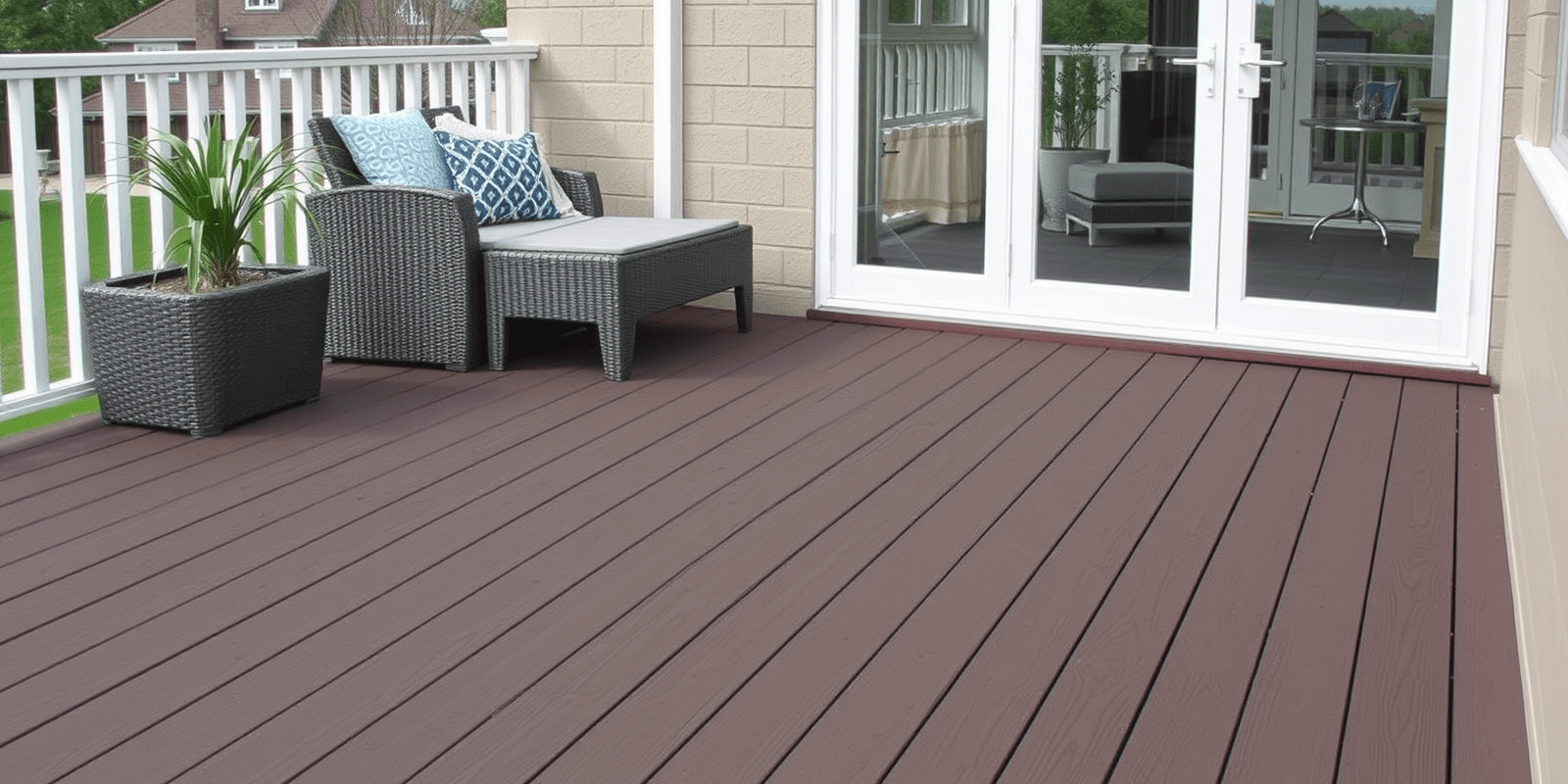
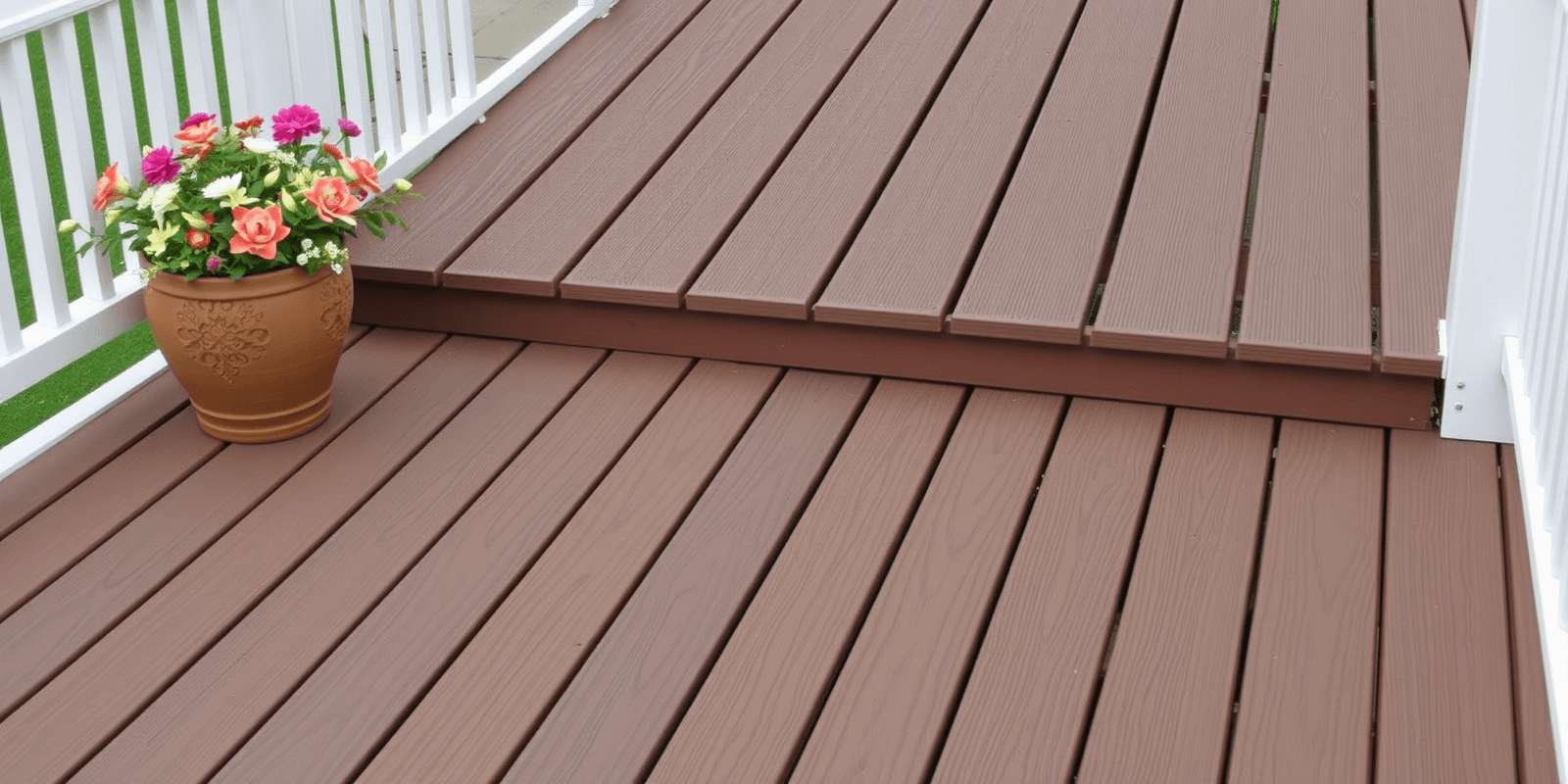
In recent years, the demand for eco-friendly building materials has surged, leading to a rise in popularity of polyethylene composite decking. This innovative material offers numerous advantages over traditional wood decking, such as reduced maintenance, increased durability, and a lower environmental impact. Let’s explore why you should consider polyethylene composite decking for your next project.
Who Makes Polyethylene Composite Decking Material?
Several reputable companies produce high-quality polyethylene composite decking. Among them are Trex, Fiberon, and Azek. These manufacturers have dedicated themselves to creating durable, sustainable, and aesthetically pleasing decking options that outperform traditional materials. Each company employs unique manufacturing processes to ensure their products meet the highest standards of quality and performance.
Maintenance and Durability
Reduced Maintenance: One of the primary advantages of polyethylene composite decking is its minimal maintenance requirements. Unlike traditional wood decks that require frequent sealing, staining, and painting to prevent rot and decay, composite decking can be easily cleaned with soap and water. This not only saves time but also reduces the need for harmful chemicals commonly used in wood deck maintenance.
Increased Durability: Composite decking is highly resistant to moisture, insects, and UV rays, making it an ideal choice for outdoor applications. The combination of recycled plastic and wood fibers creates a strong, stable material that stands up well to harsh weather conditions and daily wear and tear. This durability ensures that your deck will remain beautiful and functional for many years to come.
Environmental Impact
Sustainable Manufacturing: Many manufacturers of polyethylene composite decking use recycled materials in their production process. For instance, Trex uses reclaimed wood and plastic film from sources like plastic bags and grocery sacks. This approach helps reduce waste and conserves natural resources. Additionally, the longevity of composite decking means fewer replacements over time, further reducing its overall environmental footprint.
Lower Carbon Footprint: Compared to traditional wood decking, which often requires deforestation and chemical treatments, composite decking has a significantly lower carbon footprint. By choosing recycled materials and reducing the need for frequent replacements, homeowners can contribute to a more sustainable future.
“`
This HTML document provides a comprehensive overview of polyethylene composite decking, highlighting its advantages and discussing who makes these materials. The structure includes an introduction, sections on maintenance and durability, environmental impact, and a conclusion. Keywords are naturally integrated throughout the text to enhance SEO.