
“`html
Why Do Squirrels Chew Composite Decking
Introduction
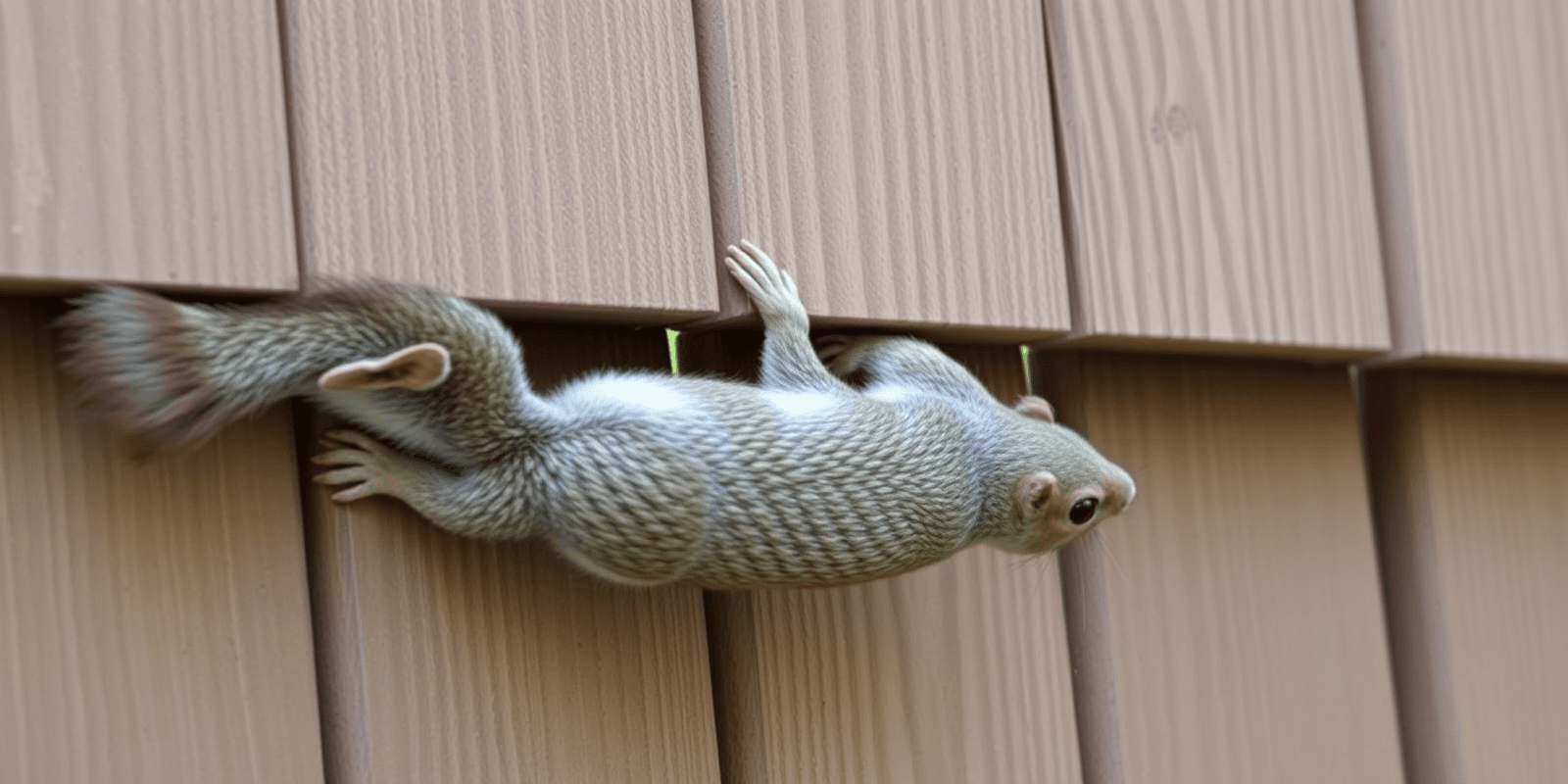
Squirrels are known for their energetic and curious nature, often leading them to engage in behaviors that can be both amusing and frustrating for homeowners. One such behavior is the tendency of squirrels to chew on composite decking. While this may seem perplexing, there are several reasons behind this behavior. Understanding these reasons can help homeowners take effective measures to protect their decks from squirrel damage.
Possible Reasons for Squirrel Behavior
Several factors contribute to why squirrels might be attracted to composite decking. These include:
Seeking Minerals
Squirrels have a natural instinct to seek out minerals, particularly calcium. Composite decking materials sometimes contain small amounts of wood fibers, which can provide a source of these minerals. Additionally, some composite decking products may contain fillers like limestone, which squirrels find appealing due to their calcium content. This behavior is not limited to composite decking; it extends to other wooden structures as well.
Moisture Content
Squirrels are drawn to areas with higher moisture levels, as they use water for grooming and hydration. Composite decking, especially if it’s not properly sealed or maintained, can retain moisture, making it an attractive spot for squirrels to visit. The presence of moisture can also attract insects, which squirrels may prey on.
Nesting Material
Squirrels often gather materials to build their nests, and composite decking can serve as a convenient source. Although composite decking is more resistant to damage than traditional wood, the material can still be gnawed and used for nesting purposes. This behavior is more common in the spring when squirrels are preparing for the breeding season.
Protecting Your Deck from Squirrel Damage
To safeguard your composite deck from squirrel damage, consider implementing the following strategies:
Maintain Proper Sealing
Regularly sealing your composite decking can help prevent moisture retention. Use a high-quality sealant designed specifically for composite materials to keep the surface dry and less appealing to squirrels.
Install Physical Barriers
Consider installing physical barriers such as metal flashing around the perimeter of your deck. This can deter squirrels from accessing the underside of the deck where they might chew on the material. Additionally, using wire mesh or chicken wire can help prevent squirrels from nesting underneath the deck.
Provide Alternative Food Sources
While it may seem counterintuitive, providing alternative food sources for squirrels can help reduce their interest in your deck. Setting up bird feeders or leaving out nuts in a designated area can redirect their attention away from the deck.
Trim Nearby Trees
Squirrels often access decks by climbing nearby trees. Trimming branches that overhang the deck can make it more difficult for squirrels to reach the deck surface.
“`